Post by : Anis
Al-Rashid
The Inevitability of Educational Change
Traditionally, educational frameworks have adhered to a rigid format, featuring established curricula, exam-focused evaluations, and standardized instructional methods stemming from an industrial-age mindset. While such models offered clear metrics, they increasingly fell short in equipping students for a fast-evolving global landscape. By the mid-2020s, the discrepancy between educational practices and real-world demands became glaringly apparent.
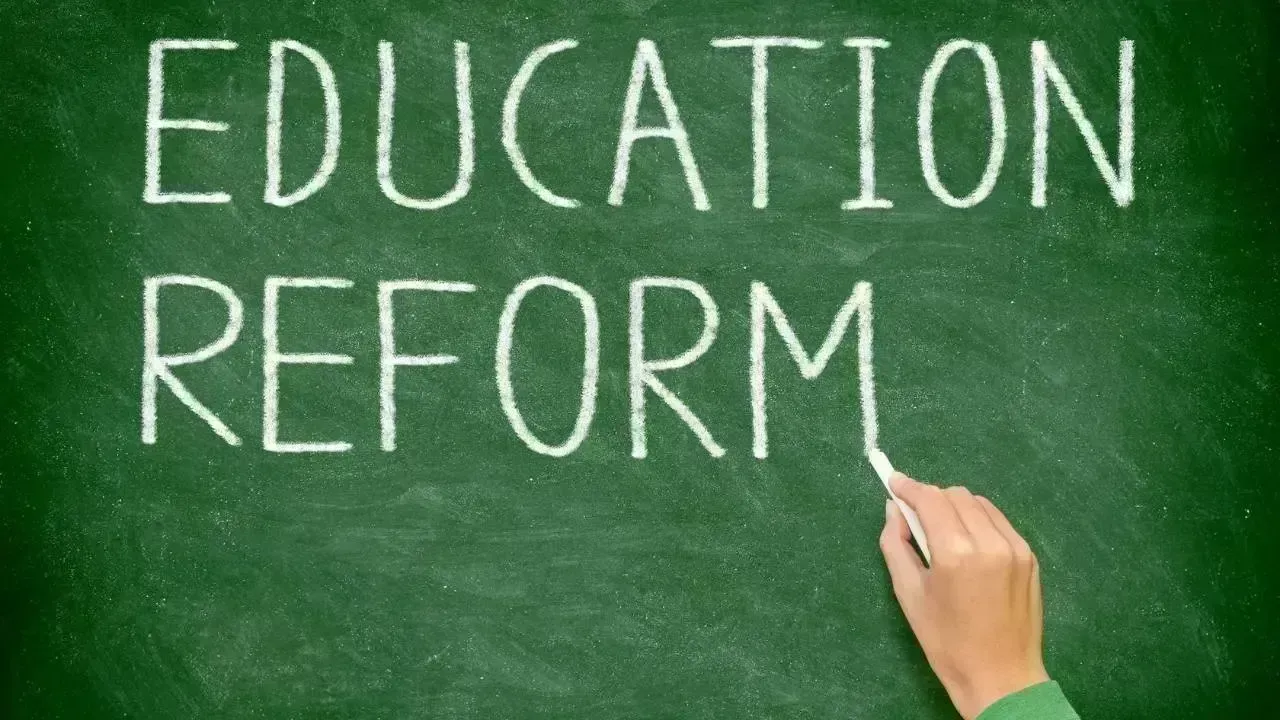
In reaction to these challenges, various governmental bodies, academic institutions, and educators initiated comprehensive education reforms. These enhancements extend beyond mere curriculum updates; they are fundamentally altering the nature of learning—transitioning attention from rote memorization to comprehension, from grades to mastery, and from passive classrooms to dynamic, engaging learning spaces. By 2026, the effects of these changes are reflected in students' cognitive flexibility and performance beyond traditional assessments.
Transitioning from Rote Memorization to Deep Understanding
The Diminishing Relevance of Memorization
Conventional educational frameworks often rewarded students for their ability to recall facts, sidelining the application of knowledge. While memorization has its merits, it is becoming less valuable in an age where information is available at our fingertips. Current reforms are addressing this imbalance by promoting conceptual understanding over mere recall.
Learners are now encouraged to explore the underlying principles behind subjects, enabling them to make connections across different domains and adapt their knowledge to unfamiliar scenarios—an increasingly vital skill in today's job market.
Learning that Lasts Beyond Exams
Conceptual learning leads to better retention over time. As students grasp fundamental concepts, they are less likely to forget information post-exams. Initial evidence from revamped curricula shows enhanced comprehension levels and lower exam-related stress, as students move away from last-minute cramming.
Modern Curriculum Design for Real-World Applications
Embedding Life Skills and Critical Thinking
New education reforms acknowledge that academic knowledge alone is not sufficient. Current curricula are being revised to include vital skills like critical thinking, problem-solving, communication, collaboration, and emotional intelligence.
Such competencies enable students to adeptly navigate complex social and work environments. Academic success is measured not just by grades but by the capacity to reason, convey ideas, and work collaboratively.
Fostering Interdisciplinary Learning
The conventional compartmentalization of subjects is fading, paving the way for interdisciplinary education. Science is now intertwined with ethics, technology with social consequences, and economics is taught through real-world scenarios.
This holistic approach reflects the cross-disciplinary nature of real-world problems, resulting in students exhibiting improved analytical skills and adaptability.
Evolution of Assessment and Success Metrics
Shifting Away from High-Stakes Exams
High-pressure examinations once served as the benchmark for academic achievement. However, reforms are gradually reducing this reliance, incorporating ongoing assessments.
Projects, presentations, and active classroom participation are receiving significant weight in evaluations. This comprehensive approach provides a broader understanding of student capabilities and mitigates the anxiety often tied to test scenarios.
Focusing on Skills Rather than Just Scores
New assessment strategies focus on how students apply their knowledge, reason through problems, and create solutions. This shift emphasizes active engagement with learning materials and rewards creativity over mere repetition.
Prioritizing Student-Centric Learning
From Traditional Teaching to Learner-Initiated Classrooms
Education reforms are transforming traditional classrooms into interactive learning hubs. Educators are transitioning from information distributors to facilitators of knowledge.
Students now engage actively through meaningful discussions, group projects, and inquiry-driven learning, enhancing understanding and building confidence.
Customizing Learning Experiences
Recognizing that each learner has unique needs, reforms are increasingly catering to personalized learning journeys, allowing students to progress at their own pace.
This adaptability not only aids struggling learners but also allows advanced students to delve deeper into complex topics.
Leveraging Technology to Enhance Learning
Using Digital Tools to Broaden Accessibility
Technology is central to modern educational reforms. Digital resources deliver extensive access to information, innovative simulations, and interactive learning experiences.
Online assessments and multimedia resources cater to varied learning styles, enhancing the inclusivity and enjoyment of education.
Blended Learning: The New Norm
The blended learning model, merging face-to-face instruction with online resources, has gained traction. This approach empowers students to revisit topics at their own speed while retaining essential classroom interactions.
Utilizing this balanced methodology strengthens comprehension and learning outcomes.
Empowerment Through Teacher Training
Importance of Teacher Empowerment in Educational Reforms
The success of reforms hinges heavily on well-prepared educators. Emphasis on comprehensive teacher training ensures that instructors are equipped with cutting-edge pedagogical techniques and digital competencies.
Teachers are trained to manage diverse classrooms, promote critical analytical skills and facilitate individualized learning experiences.
Shifting from Knowledge Delivery to Experience Design
The role of educators is evolving from mere content deliverers to architects of learning experiences. Today, instructors aim to create impactful and meaningful learning opportunities rather than mechanically covering coursework.
This transformation enhances both student engagement and fosters a nurturing educational atmosphere.
Strengthening Foundations Through Early Education
Emphasizing Foundational Skills for Academic Success
Reforms are increasingly placing importance on early education, acknowledging that foundational skills like literacy and numeracy set the stage for future achievements.
By fortifying early education, community systems minimize future educational gaps and heighten overall performance.
Incorporating Play-Based Learning
Young learners thrive through play-based methodologies that foster curiosity, creativity, and social skills. Innovations in teaching methods aim to create enjoyable and effective early learning experiences.
Prioritizing Equity and Inclusion
Tackling Disparities in Learning Opportunities
Current education reforms strive to mitigate disparities between learners from urban and rural backgrounds, as well as different socio-economic statuses.
Initiatives focused on digital accessibility, strategic teacher placement, and targeted programs aim to create equitable educational environments.
Promoting Inclusive Education Practices
Students with diverse abilities are being increasingly integrated into mainstream educational settings. Reforms advocate for inclusive strategies that adapt teaching methods rather than isolating students.
This approach not only enhances outcomes for students with specific needs but also enriches the overall classroom experience.
Recognizing the Value of Vocational Education
Rethinking the Hierarchy of Education
Historically, vocational education was considered subordinate to traditional academic tracks. Recent reforms challenge this perception, integrating vocational skills into mainstream educational settings.
Students can now blend academic learning with practical skill development, enhancing employability and decreasing attrition rates.
Aligning Education to Industry Demands
Collaboration between educational institutions and industry is ensuring that curricula meet real-world needs. This synergy bridges the gap between educational learning and career opportunities.
Enhancing Parental and Community Engagement
Learning as a Collective Endeavor
Educational reforms promote increased parental involvement in the learning process. Transparent assessment frameworks and regular updates empower parents to support their children effectively.
Communities are also engaged via mentorship, internships, and local educational initiatives.
Extending Learning Beyond Traditional Classrooms
Education is increasingly taking place outside traditional school settings. Community problem-solving projects and experiential assignments connect learning to real-world scenarios.
Focusing on Mental Health and Wellbeing
Mitigating Academic Stress
Educational changes are recognizing the emotional toll of rigorous systems. Reduced exam pressures and supportive evaluation approaches are enhancing student wellbeing.
Balanced workloads and more flexible evaluation methods create healthier learning spaces.
Integrating Emotional Learning into Academics
The importance of social and emotional learning is gaining recognition, as students develop self-awareness, resilience, and empathy alongside academic subjects.
These competencies support enduring success beyond the classroom.
Redefining Learning Metrics
Shifting Focus from Short-Term Results to Long-Term Success
Conventional measures have prioritized immediate academic results. Reforms are redirecting focus toward long-term success indicators, like problem-solving capabilities, adaptability, and readiness for lifelong learning.
This broader outlook aligns education with societal and workforce requirements.
Encouraging Growth Over Perfection
Ongoing assessments enable educators to monitor student progress over time rather than basing evaluations on isolated performances.
This method fosters a growth-oriented mentality and promotes continual improvement.
Addressing Challenges in Education Reform Implementation
Varied Implementation Across Regions
While these reforms are ambitious, the execution varies significantly. Challenges such as infrastructure deficits, educator shortages, and digital access inequalities can impede progress in certain areas.
Overcoming these barriers demands sustained investment and committed policy support.
Resistance from Established Traditions
Stakeholders accustomed to outdated educational systems may resist adjustments. Building trust through consistent training, open communication, and gradual reform is essential for success.
Early Indicators of Enhanced Learning Outcomes
Increased Engagement and Retention Rates
Students in reformed educational settings exhibit greater engagement, improved attendance, and superior retention of learned material.
Learning feels more relevant, motivating students to become active participants.
Enhanced Problem-Solving Proficiencies
Educators have noted a remarkable advance in analytical and reasoning skills among students educated under reform-oriented curricula.
Such learners are better equipped to adapt to new challenges and collaborative situations.
Societal Implications of Educational Transformation
Ready for an Unpredictable Future
Educational reforms are designed for an era where job roles may continually change, technology evolves rapidly, and adaptability is crucial.
Students emerging from these modern systems are increasingly prepared for ongoing learning.
Education as a Means of Social Mobility
With a focus on skills, equity, and inclusivity, reforms reinforce education’s impact in addressing inequality and expanding opportunities.
Learning outcomes now not only reflect academic accomplishments but also readiness for real-life challenges.
Conclusion: A Quiet but Profound Shift in Education
Education reforms are transforming learning outcomes through steady, structural enhancements rather than immediate upheaval. By redefining learning objectives, methods, and success metrics, these reforms are creating more adaptable and confident learners.
While challenges persist, the trajectory is evident. In 2026, education is no longer merely about preparing students for exams—it is about fostering critical thinkers who are ready to navigate a complex and evolving future. The sustainability of these reforms will determine both educational success and the societal capabilities that follow.
Disclaimer:
This article is intended for informational and analytical purposes only. Education systems and reform outcomes vary by region and institution.


 English