Post by : Saif
Al-Najjar
This week, tensions escalated between Russia and Western nations following a stern warning from Moscow that any foreign troops deployed to Ukraine would be regarded as legitimate military targets. This warning came in response to Britain and France’s announcement to deploy a multinational force should a ceasefire occur.
Russia’s Foreign Ministry labeled the recent comments from Western officials as perilous, asserting they could fuel further instability across Europe. The Ministry emphasized that any Western troops, military installations, or equipment introduced to Ukrainian territory would be treated as direct foreign intervention, incurring military repercussions.
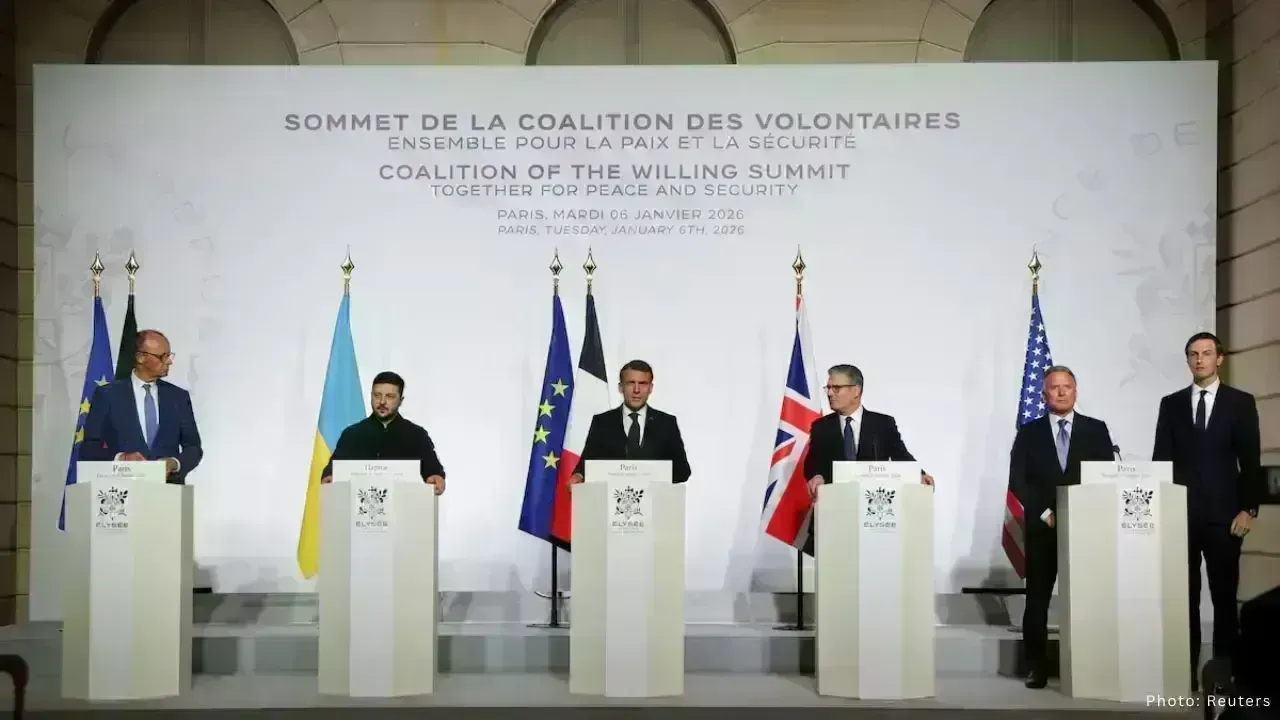
The alert came after a meeting in Paris between the “coalition of the willing,” a coalition of nations backing Ukraine. Britain and France formalized an agreement to potentially send forces into Ukraine post-ceasefire, with French President Emmanuel Macron suggesting thousands of French troops could be involved. British Prime Minister Keir Starmer highlighted the objectives of securing Ukrainian airspace and seas, and assisting in the rebuilding of its military.
Russia has firmly opposed these plans, arguing such deployments would jeopardize not only its own security but that of Europe as well. Officials in Moscow characterized the Western initiative as part of an “axis of war,” warning that European citizens would ultimately bear the costs in terms of security and finance.
Since launching its full-scale invasion in February 2022, Russia has vehemently opposed the presence of Western troops in Ukraine, claiming its actions aim to prevent Ukraine from joining NATO and becoming a military threat. Moscow has repeatedly asserted that it will not accept any foreign military stationed in Ukraine.
Contrarily, Ukraine and its allies vehemently contest Russia’s stance, accusing it of attempting to annex Ukrainian territory, with nearly one-fifth still under Russian control. Ukrainian officials advocate for robust security guarantees to avert future attacks, should peace negotiations progress.
While the United States has stated it will not deploy troops to Ukraine, officials have voiced support for security measures aimed at deterring further Russian advancements, adding complexity to the conflict as Europe contemplates a more significant role in preparing Ukraine’s defense.
Russia’s warning underscores the precariousness of the current situation, with even peace discussions intertwined with new threats and military strategies. Any movement involving foreign troops raises the prospect of escalation beyond Ukraine’s borders.
As diplomatic efforts unfold, the stakes are incredibly high. The decisions made in the coming months could influence not just Ukraine’s future but also the broader security and stability of Europe for the foreseeable future.


 English