Post by : Bianca
Haleem
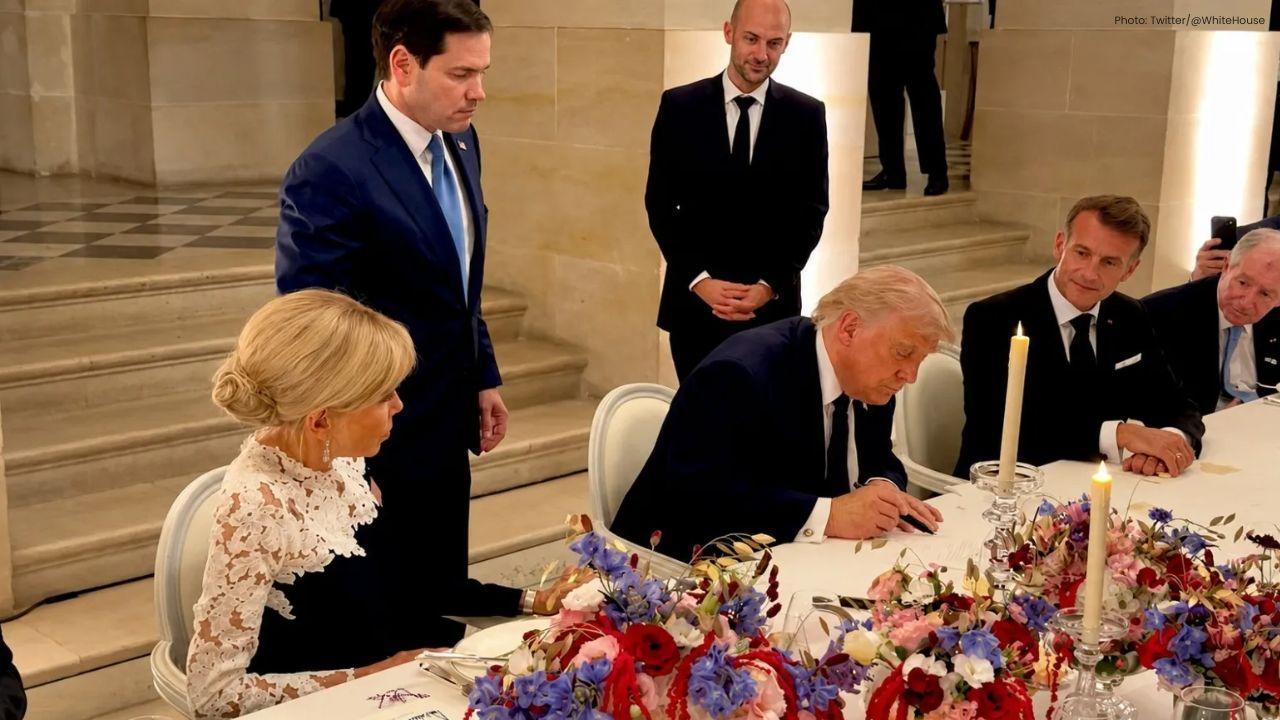
The United States and Iran have reached a major interim agreement aimed at reducing tensions, ending hostilities, and restarting discussions on Tehran's nuclear programme. The deal was signed by US President Donald Trump and Iranian President Masoud Pezeshkian and comes into effect immediately.
As part of the agreement, both countries will begin a 60-day negotiation process to work towards a comprehensive long-term settlement. The upcoming talks will focus on Iran's nuclear activities, sanctions, and international concerns surrounding the country's nuclear programme.
Under the terms of the deal, Iran will reduce its reserves of enriched uranium, while the United States will provide limited sanctions relief. The move is expected to help Iran restore unrestricted oil exports and improve economic activity following months of conflict.
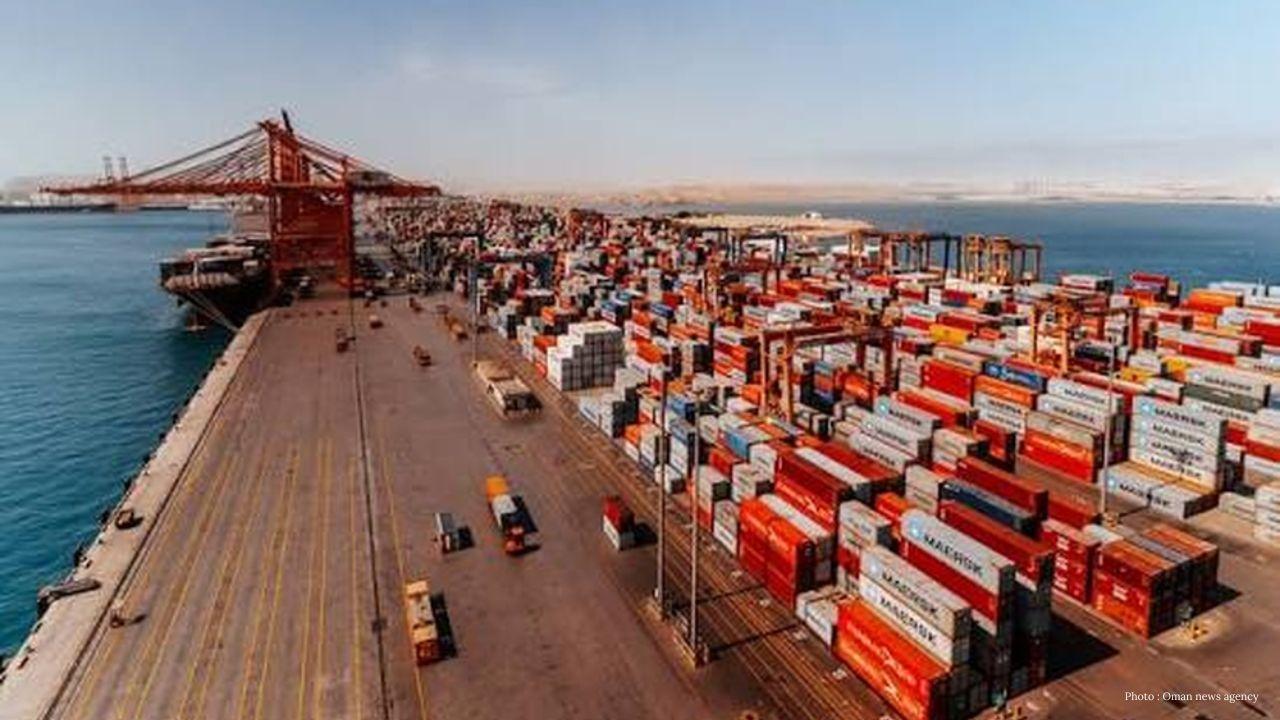
The agreement also includes plans to reopen the Strait of Hormuz, one of the world's most important maritime trade routes. Shipping operations in the region were disrupted during the conflict, but officials expect traffic through the waterway to return to normal within the coming weeks.
Details from leaked copies of the draft agreement indicate that Iran will immediately begin measures to secure and reopen the Strait of Hormuz. The reported framework also allows Tehran to fully resume international oil sales.
In addition, the draft reportedly proposes at least $300 billion in assistance for rebuilding Iran's infrastructure and economy after the conflict. The United States has also signalled its willingness to support the removal of US and UN sanctions if a final nuclear agreement is successfully negotiated.
However, security concerns remain. Reports suggest that Iran has continued launching drones near commercial shipping routes in the Strait of Hormuz since the initial understanding between Washington and Tehran was reached. US military forces have reportedly intercepted and destroyed the drones before they could pose a threat to vessels or personnel in the area.
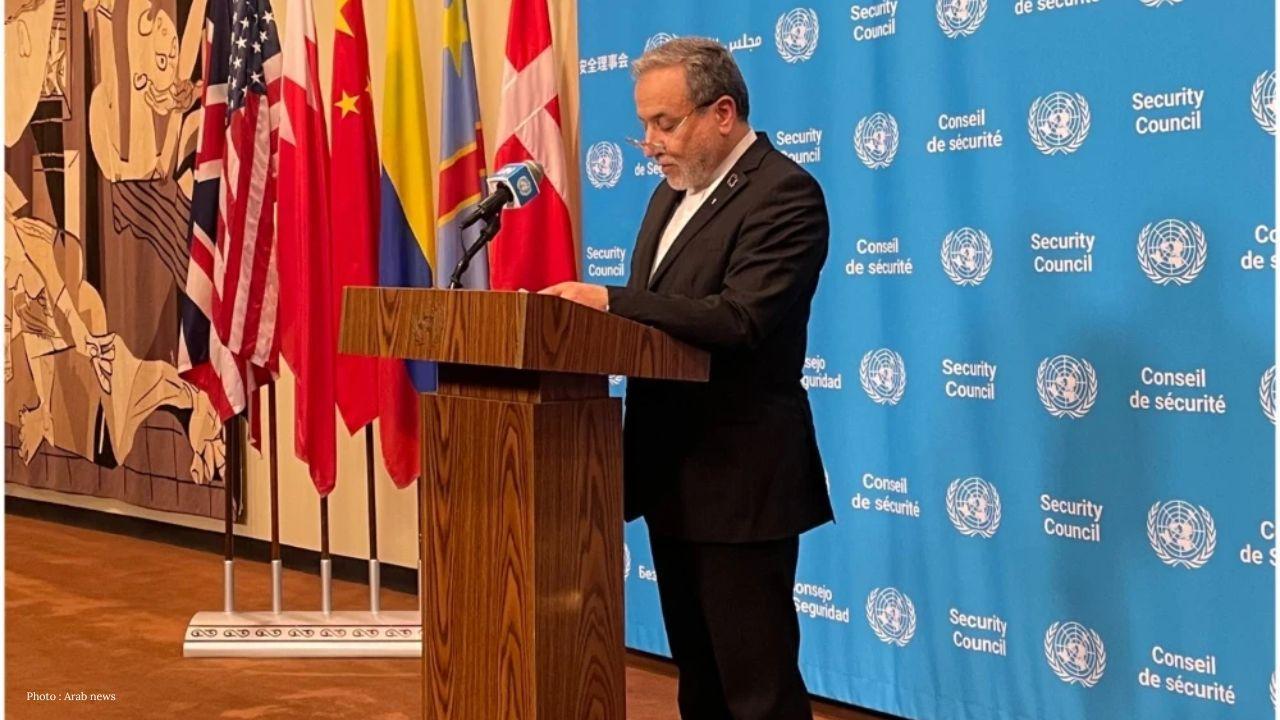
A formal signing ceremony for the framework agreement is expected to take place in Switzerland on June 19. Following the signing, both sides will enter a 60-day period of intensive negotiations covering nuclear development, sanctions relief, and international oversight measures involving the United Nations and the International Atomic Energy Agency (IAEA).
The agreement represents an important diplomatic breakthrough and could pave the way for improved relations between the two countries if the upcoming negotiations lead to a permanent settlement.


 English