Post by : Raina
Al-Fahim
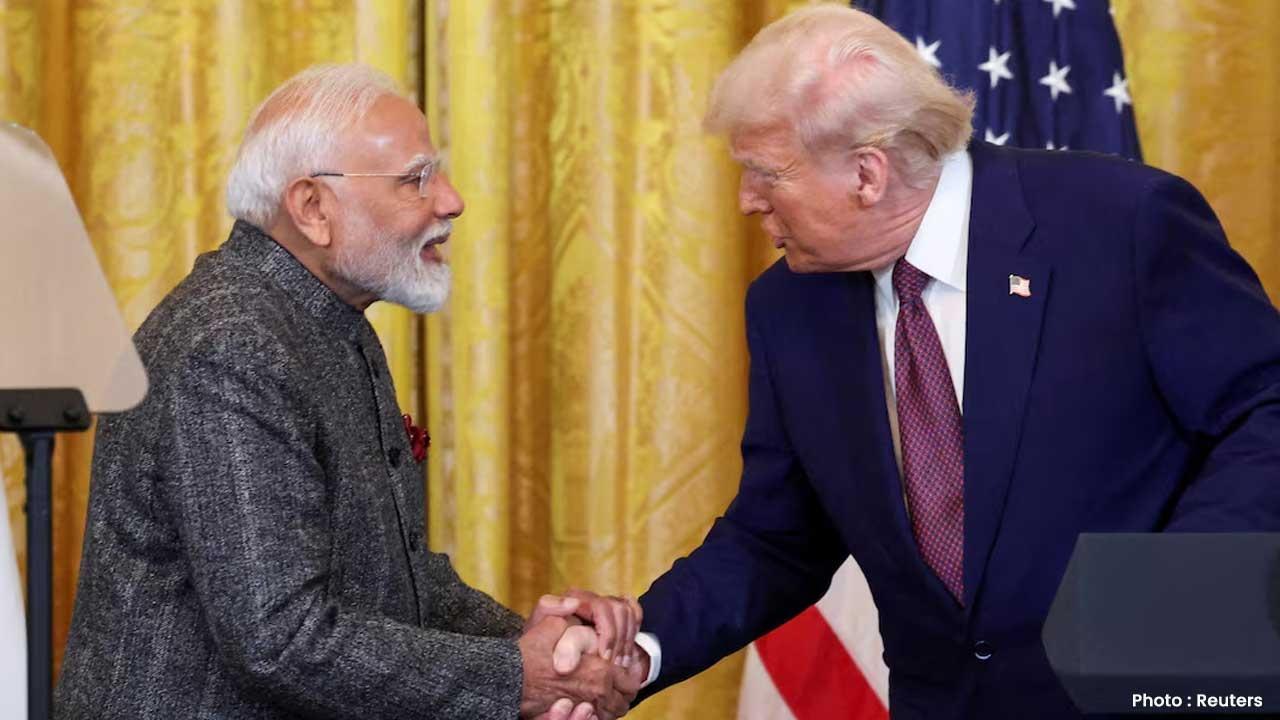
U.S. President Donald Trump recently stated that he played a pivotal role in averting a potential conflict between India and Pakistan earlier this year. Speaking at a significant international gathering in the United States, he detailed how he leveraged the threat of substantial trade tariffs to urge both nations to consider de-escalation.
This assertion has been reiterated over 60 times by Trump, despite India's consistent stance that no external party intervened; the conclusive agreement was reached through direct military dialogue between the two nations.
Details of Trump's Statement
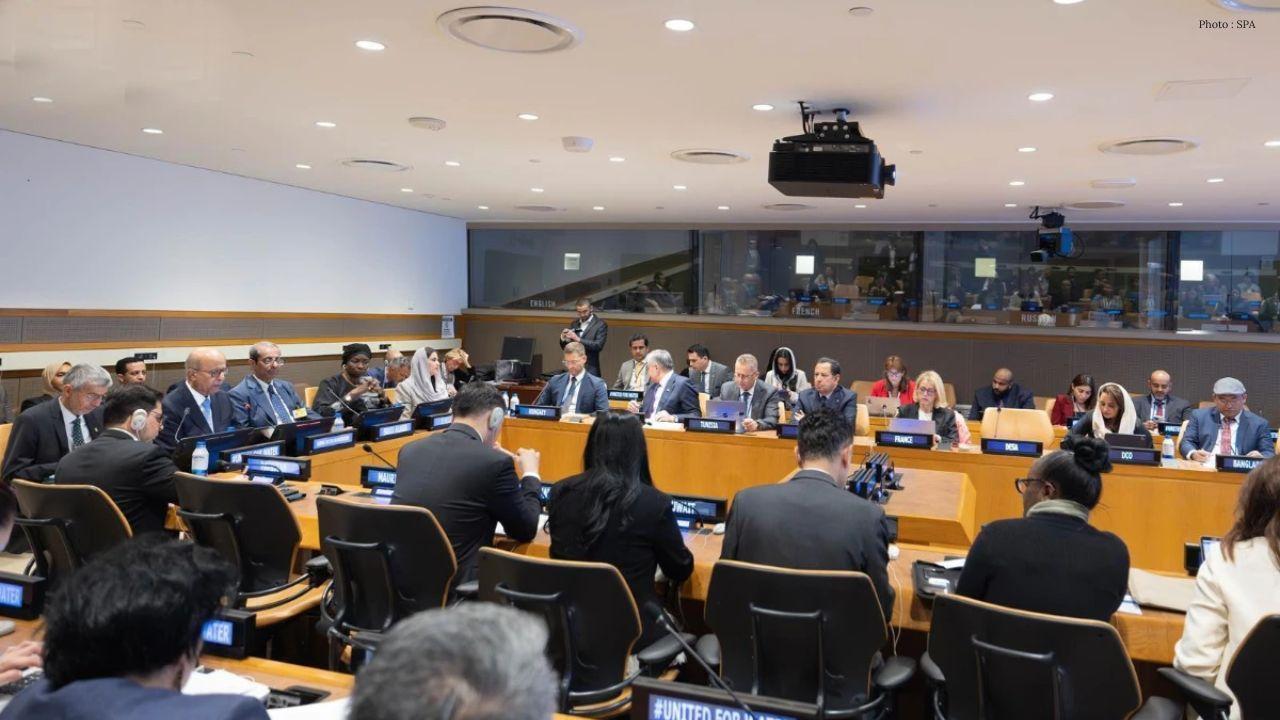
Trump's comments were made at the US-Saudi Investment Forum, attended by high-profile leaders and business figures. He elaborated on his belief that economic pressure is more effective than military intervention in resolving global conflicts.
Trump’s Account of Events
According to Trump, in May, escalated tensions between India and Pakistan brought both nations to the brink of military action, including the potential for nuclear conflict. He claimed to have intervened by warning both parties that:
-
The United States would implement a 350% tariff on all goods imported from India and Pakistan
-
U.S. trade with both nations could cease completely
-
The U.S. would not allow a nuclear disaster that could endanger American cities
He instructed the Treasury Secretary to prepare for enforcing these tariffs, indicating to the leaders of India and Pakistan that they could contact him if they wanted to pull back.
Trump claimed an immediate response from both countries, expressing requests to avoid tariffs. He recounted:
-
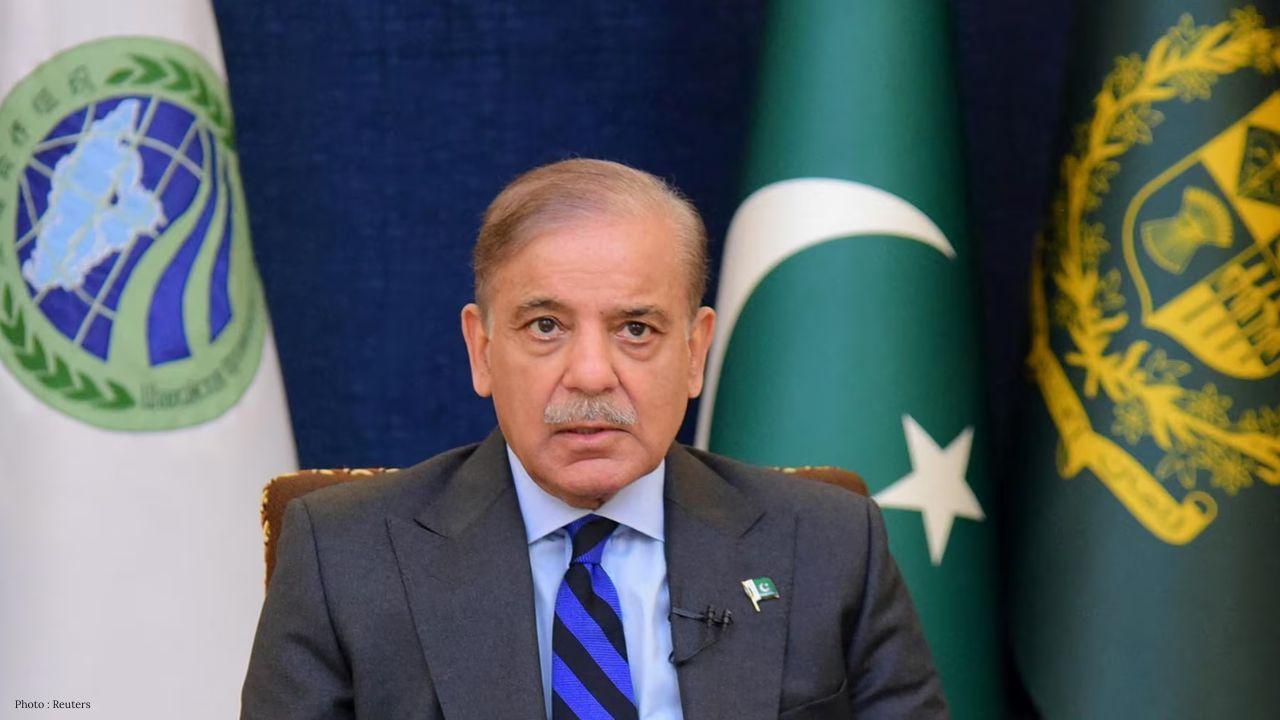
Pakistan's Prime Minister thanked him for preventing a war
-
Indian Prime Minister Narendra Modi called, assuring that India would not engage in warfare
Trump then suggested to Modi, “Let’s finalize an agreement,” dubbing this a significant diplomatic achievement during his term.
Background Context
The tensions Trump mentioned escalated following a deadly attack in Pahalgam that killed 26 civilians. In response, on May 7, India initiated Operation Sindoor, targeting terrorist infrastructures in Pakistan and Pakistan-administered Kashmir.
The operations heightened military alertness on both sides.
Just three days later, on May 10, India and Pakistan mutually agreed to cease aggressive actions following direct communications between the military's top officers.
India's Rejection of Trump's Narrative
Indian officials have repeatedly denied Trump's version of events. New Delhi has asserted a firm and continuous stance:
-
No third-party involvement, including the U.S., facilitated mediation
-
The ceasefire was achieved exclusively between Indian and Pakistani military authorities
-
India rejects any foreign involvement in its security matters
Such has been India's official diplomatic policy for years, independent of the current government.
Significance of Trump's Assertions
Trump's narrative has garnered significant attention as he has recounted it persistently in public forums. He contends that:
-
His approach to international disputes prioritized economic pressure over military action
-
Tariffs have successfully mitigated five out of eight possible international conflicts
-
His diplomatic methods spared “millions of lives”
Supporters argue these remarks underscore his unconventional diplomatic techniques, while detractors claim they exaggerate, misrepresenting the realities acknowledged by the countries involved.
The Importance of These Claims
The significance of Trump's comments is underscored by factors such as:
-
India and Pakistan are two nuclear-armed nations with a long history of conflict
-
Claims of third-party involvement in military decisions are politically charged
-
India-U.S. diplomatic relations attract global scrutiny
As Trump continues to re-enter the political arena, his assertions become focal points in discussions surrounding international relations.
Trump insists he mediated a potentially explosive situation between India and Pakistan using economic threats, while India staunchly maintains that any resolution resulted solely from direct military exchanges.
These contrasting narratives highlight the complex dynamics of regional security and ongoing global diplomatic strategies.


 English