Post by : Shweta
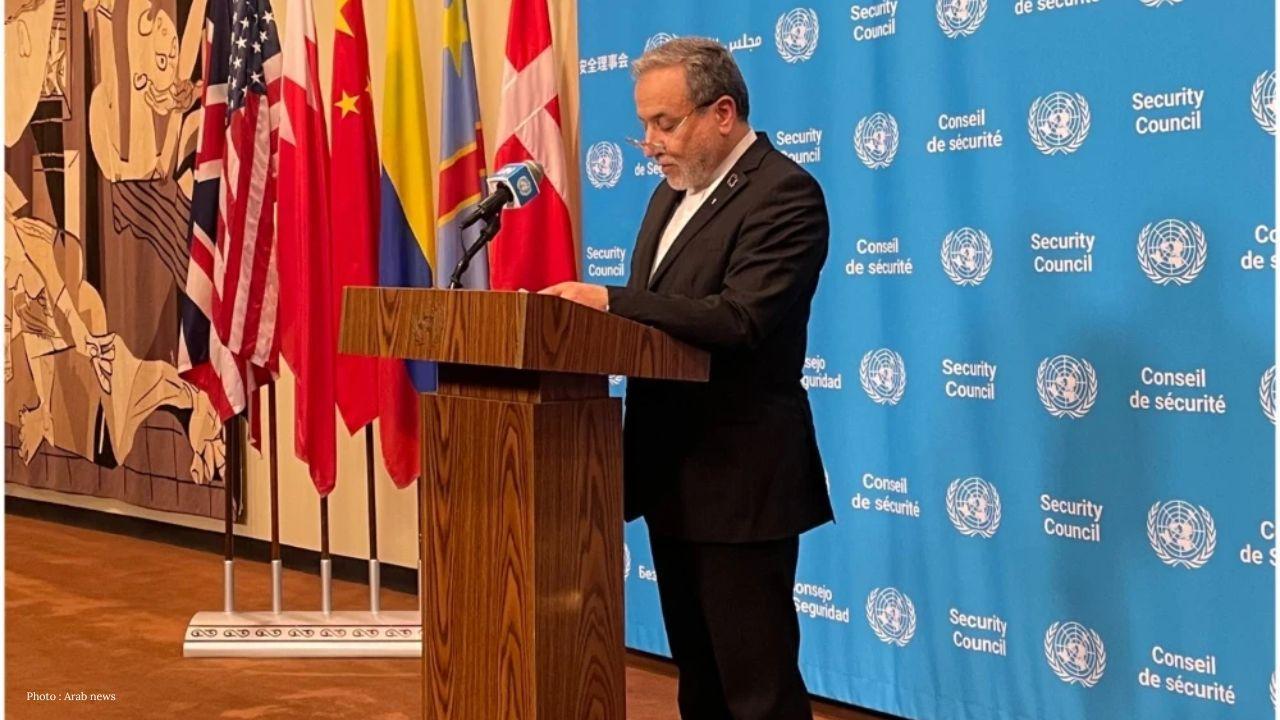
US President Donald Trump has firmly dismissed Iran’s recent proposal aimed at resolving the ongoing conflict in the Middle East, labeling it “totally unacceptable.” His remarks followed Iran's formal response to a US-backed ceasefire and peace framework relayed through regional mediators.
Trump conveyed his position via his Truth Social account, criticizing Tehran’s stance and accusing its leaders of prolonging significant negotiations. While the specifics of Iran’s proposal were not disclosed, it was evident that the US was dissatisfied with the reply from Iranian officials.
Media outlets have reported that Iran's proposal included demands to lift US sanctions, end naval blockades around its ports, release frozen financial assets, and acknowledge Iranian control over the Strait of Hormuz. Furthermore, Tehran sought guarantees against potential military assaults and compensation for damages attributed to the conflict.
Conversely, the US and its allies are concentrating on more stringent conditions related to Iran's nuclear ambitions. Reports indicate that Washington insists on long-term restrictions on uranium enrichment, enhanced international oversight, and limitations on Iran's missile programs for any conclusive agreement. Iran has reportedly resisted several of these stipulations, obstructing the negotiation process.
This latest contention arises amid a precarious ceasefire following months of escalating military tensions in the region. Ongoing clashes and instability around the Strait of Hormuz have already disrupted global oil markets and international shipping routes. After Trump's remarks, oil prices reportedly spiked as markets reacted to concerns that diplomatic efforts might falter and intensify conflicts.
Experts note that the Strait of Hormuz is a vital trade route for the global oil supply. Further tension or military conflicts in that area could significantly impact fuel costs, shipping operations, and the worldwide economy. Numerous nations have appealed for calming efforts and have urged both parties to pursue negotiations amicably.
Meanwhile, Iran continues to assert its stance, claiming its demands are essential for national security and economic stability. Iranian officials argue that US sanctions and military pressure have devastated the nation’s economy over the years. Tehran has also cautioned against foreign military interference in the region, particularly near the Strait of Hormuz.
Political analysts predict that the rejection of Iran's proposal may stall any immediate advancements in peace negotiations. Despite ongoing dialogues facilitated by mediators, significant disagreements remain between both parties on military, nuclear, and economic matters. Experts believe that future discussions will depend heavily on the willingness of both nations to compromise on central demands.
As global leaders and financial markets keep a close watch, the uncertain situation in the Middle East continues to pose significant international challenges.


 English