Post by : Raina
Al-Fahim
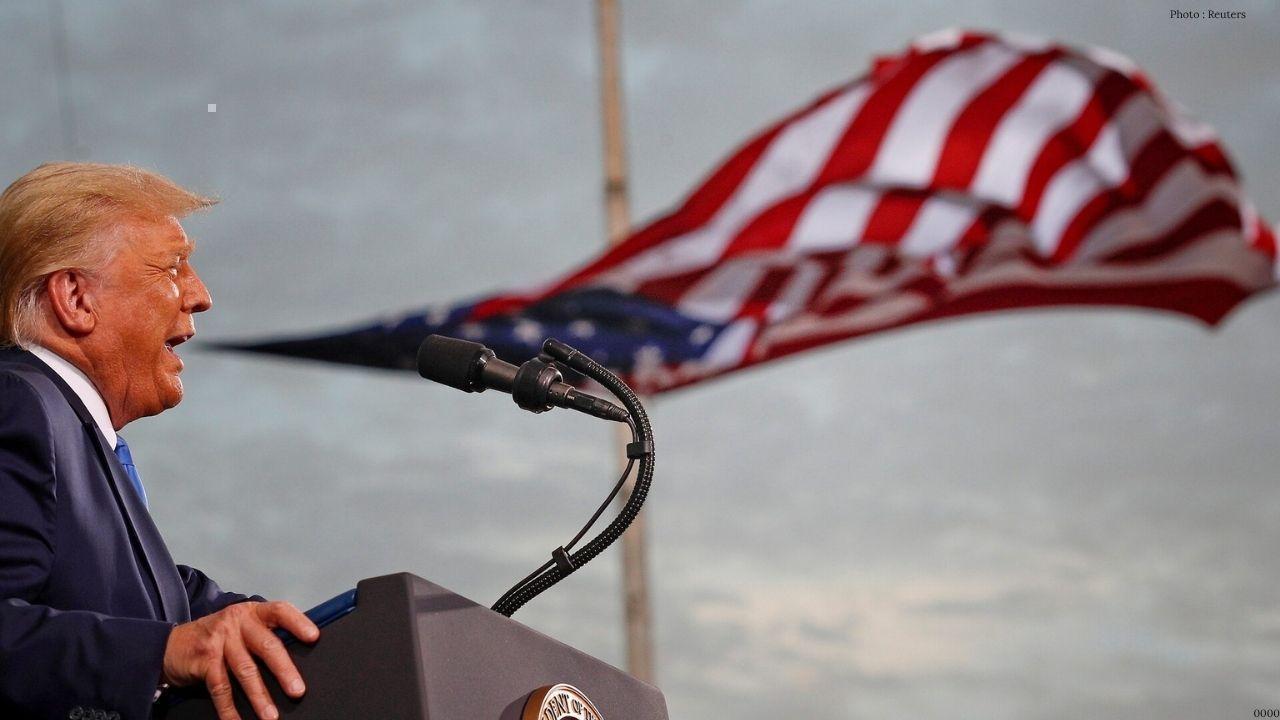
New Delhi/Washington: President Donald Trump has suggested the possibility of levying new tariffs on agricultural imports, specifically targeting rice from India and fertilizer from Canada, amid stagnant trade negotiations that remain unresolved. These comments were made during the announcement of a substantial farm relief initiative at the White House aimed at enhancing the stability of the American agricultural sector.
Trump highlighted the importance of this financial aid, describing farmers as an "indispensable national asset" and crucial to the nation’s economy. He pointed out that foreign imports, particularly from India, present significant challenges for American producers. In response, he alluded to the potential for aggressive tariff strategies while allocating $12 billion in economic support to farmers, sourced from revenues generated through trade.
"We’re really taking in trillions of dollars, if you think about it. Countries have taken advantage of us like never before," Trump stated, underlining the necessity of defending domestic agriculture and ensuring equitable trade practices. He deemed this new assistance crucial for revitalizing the farm economy, especially given ongoing inflation and depressed commodity prices.
During trade discussions, India was prominently mentioned as exemplifying the difficulties facing US farmers, particularly in the rice sector. A Louisiana grower labeled Indian rice imports as "devastating" for southern producers, indicating that Indian companies dominate the US retail rice market. In reaction, Trump proposed that tariffs could offer a swift resolution. "All right, and we’ll take care of it. That’s great. It’s so easy… Tariffs, again, solves the problem in two minutes," he remarked.
Additionally, the President pointed to potential tariffs on Canadian fertilizer imports to stimulate local production. "A lot of it comes in from Canada, and so we’ll end up putting severe tariffs on that, if necessary, because that’s how you strengthen local production," he asserted.
US-India agricultural trade has experienced consistent growth over the past ten years, with India exporting basmati rice, spices, and marine products to the US, and importing almonds and cotton from American producers. Nevertheless, disagreements regarding subsidies, market access, and World Trade Organization complaints—particularly concerning rice and sugar—have sometimes strained trade relations.
As Washington hints at stronger measures to protect local farmers, ongoing India-US trade negotiations are anticipated, with both nations aiming to find a balance between market access, fair pricing, and long-term agricultural collaboration.


 English