Post by : Shweta
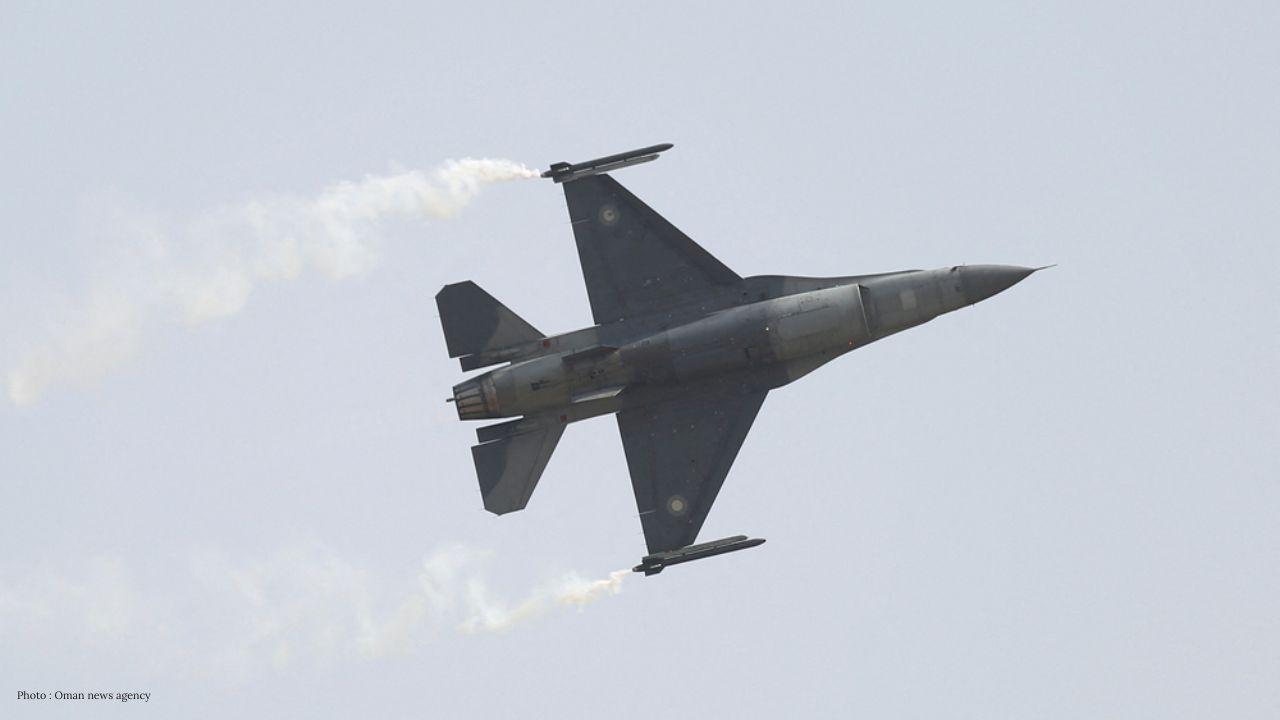
The United Arab Emirates has reported missile and drone attacks from Iran for the second day in a row, escalating fears of broader regional conflict in the Gulf. As stated by the UAE Ministry of Defence, air defense systems were activated on Tuesday to counter multiple aerial threats that approached the nation from Iranian territory. Officials revealed that the strikes targeted critical energy and shipping infrastructure.
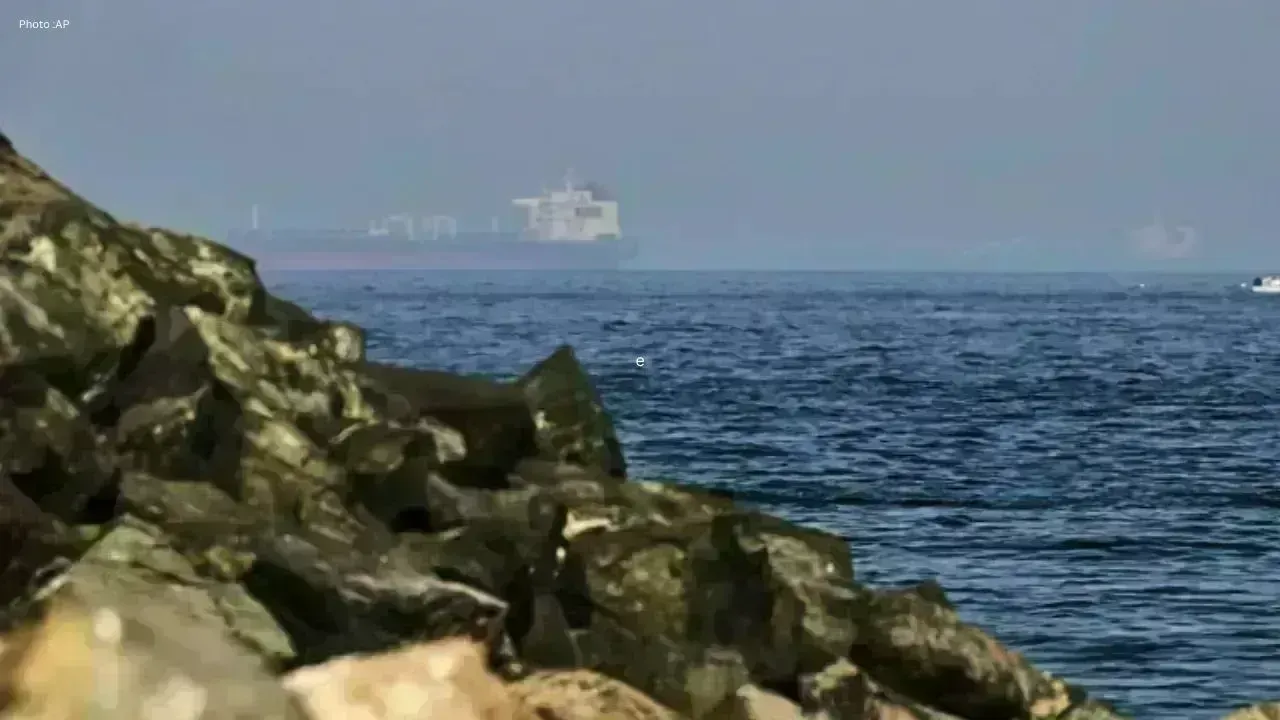
These attacks come amid rising tensions in the Strait of Hormuz, an essential oil shipping route. The UAE's defense forces managed to intercept several missiles and drones before they could inflict significant damage. Authorities encouraged residents to remain calm and adhere to safety protocols while emergency services closely monitored the situation.
The current wave of attacks follows similar incidents reported on the previous day, where Iranian missiles and drones impacted the Fujairah Oil Industry Zone and adjacent maritime areas. UAE officials indicated that some facilities were damaged and that injuries were reported, including those involving Indian nationals. The UAE vehemently condemned these acts, labeling them a dangerous escalation that threatens local stability and international trade.
The UAE Ministry of Foreign Affairs has accused Iran of endangering Gulf security and breaching international law. Officials stated that Abu Dhabi reserves the right to respond should these aggressions persist. In response, Iran has denied involvement in the recent attacks, even as relations with Washington grow increasingly tense due to military activities in the Strait.
Control over the Strait of Hormuz remains crucial as it handles nearly one-fifth of the world's oil trade daily. Recently, the U.S. initiated “Project Freedom,” a naval operation designed to ensure safe passage for commercial vessels in the region after Iran curtailed maritime routes. President Trump has indicated a temporary slowdown of this initiative to pursue diplomatic talks with Tehran.
Experts warn that continued attacks on the UAE could pose severe economic challenges, particularly given Fujairah’s significance as a major oil storage and export center outside the Strait. Analysts propose that Iran may be attempting to exert pressure on Gulf nations that support U.S. efforts in the area.
In light of recent tensions, countries including Saudi Arabia, Qatar, and Kuwait have strengthened their security protocols following earlier missile and drone strikes across the Gulf. Regional governments are increasingly concerned that further escalation could disrupt oil exports, aviation, and crucial international trade routes linked to the Middle East.
Ongoing diplomatic endeavors aim to deescalate tensions, with China and Pakistan reportedly facilitating direct dialogues between the U.S. and Iran. However, the recent attacks have raised worries that fragile ceasefires and diplomatic advancements may unravel if hostilities spread further throughout the Gulf.


 English