Post by : Bianca
Haleem
The United Arab Emirates (UAE) has officially announced its exit from the Organisation of the Petroleum Exporting Countries (OPEC), concluding nearly 60 years of membership. This pivotal shift is anticipated to significantly alter global oil dynamics and Gulf relations.
This decision is reportedly influenced by escalating tensions between Abu Dhabi and Saudi Arabia, the dominant force within OPEC. The UAE's dissatisfaction with imposed production limits has intensified, as it seeks to enhance its oil output and revenue.
Regional Tensions Intensify
Reports suggest longstanding differences between the UAE and Saudi Arabia. Despite shared strategic interests, their disputes over oil production and regional power have increasingly strained their alliance.
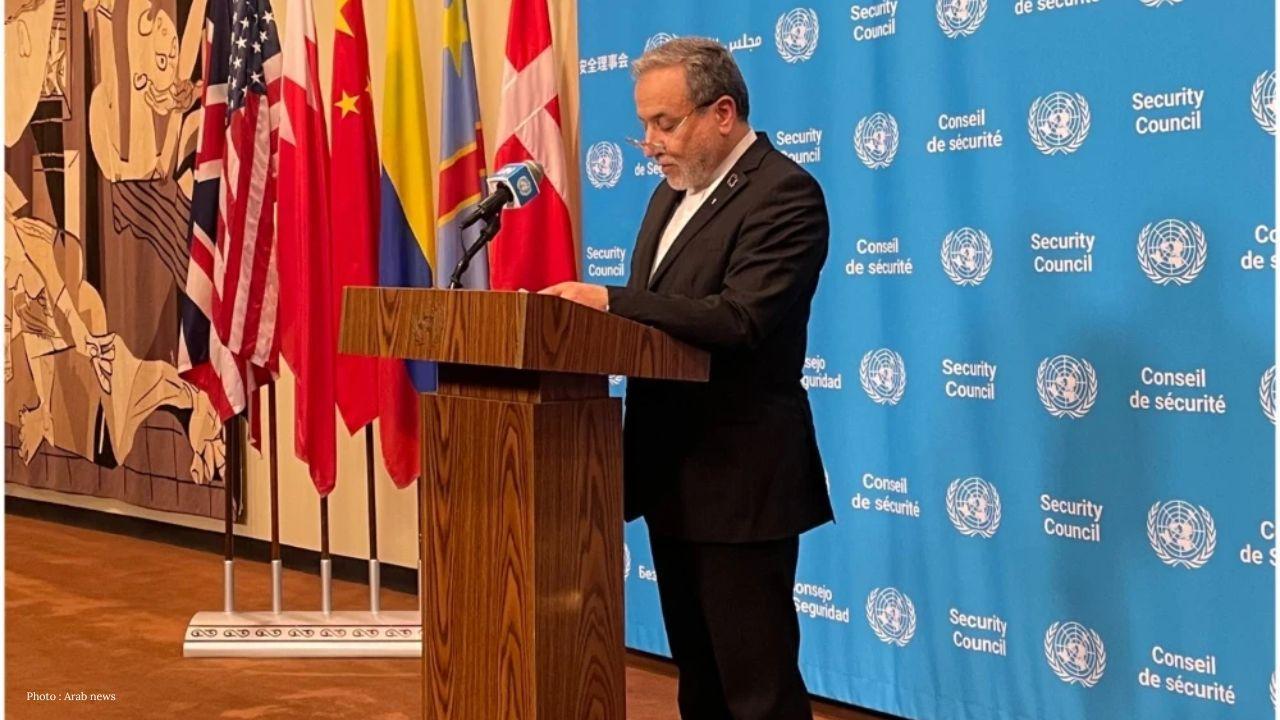
Complicating matters further are regional conflicts involving Iran. The Gulf states have faced mounting security challenges, reshaping political alignments and causing divergent strategies in diplomacy and defense.
Diplomatic Strain with Pakistan
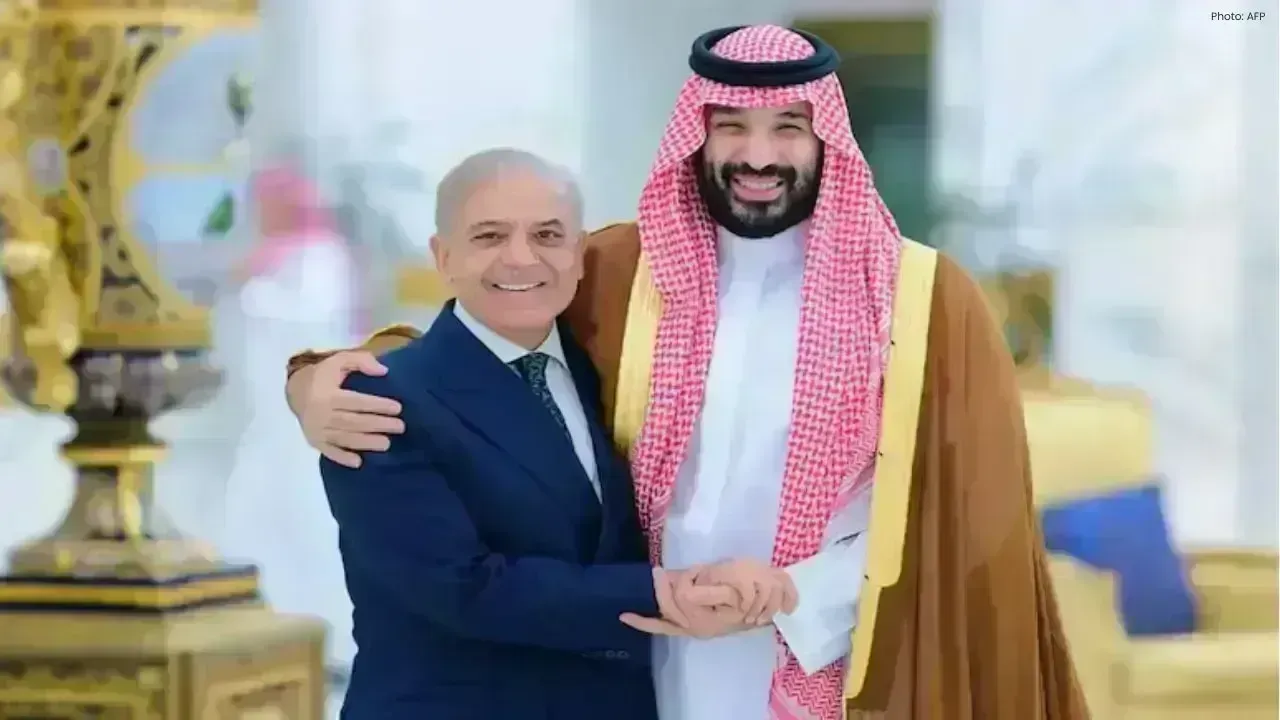
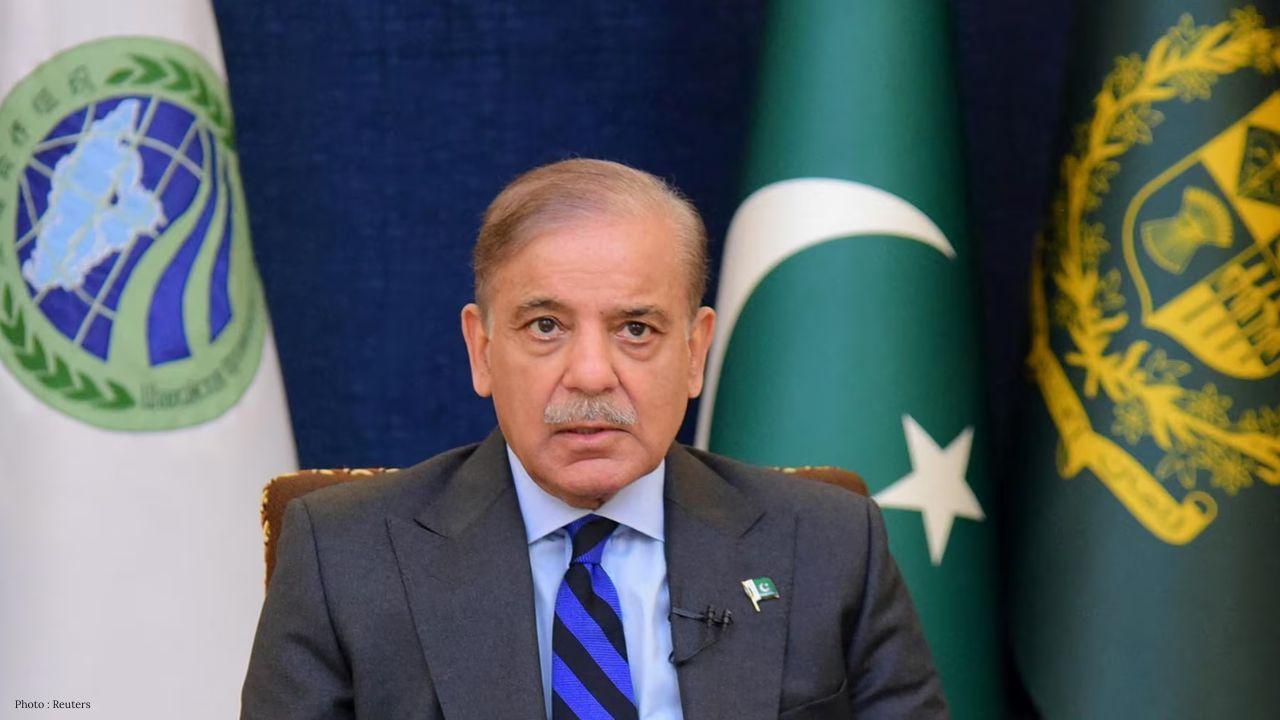
The UAE has voiced concerns regarding Pakistan's role in the region, growing frustrated with Islamabad’s neutral stance amid U.S.-Iran tensions. Additionally, the UAE scrutinized Pakistan's response to Gulf security issues during conflicts.
In a notable financial maneuver, the UAE withdrew approximately $3.5 billion from Pakistan, signaling dwindling trust and increasing diplomatic divergence.
Consequences for OPEC and Oil Pricing
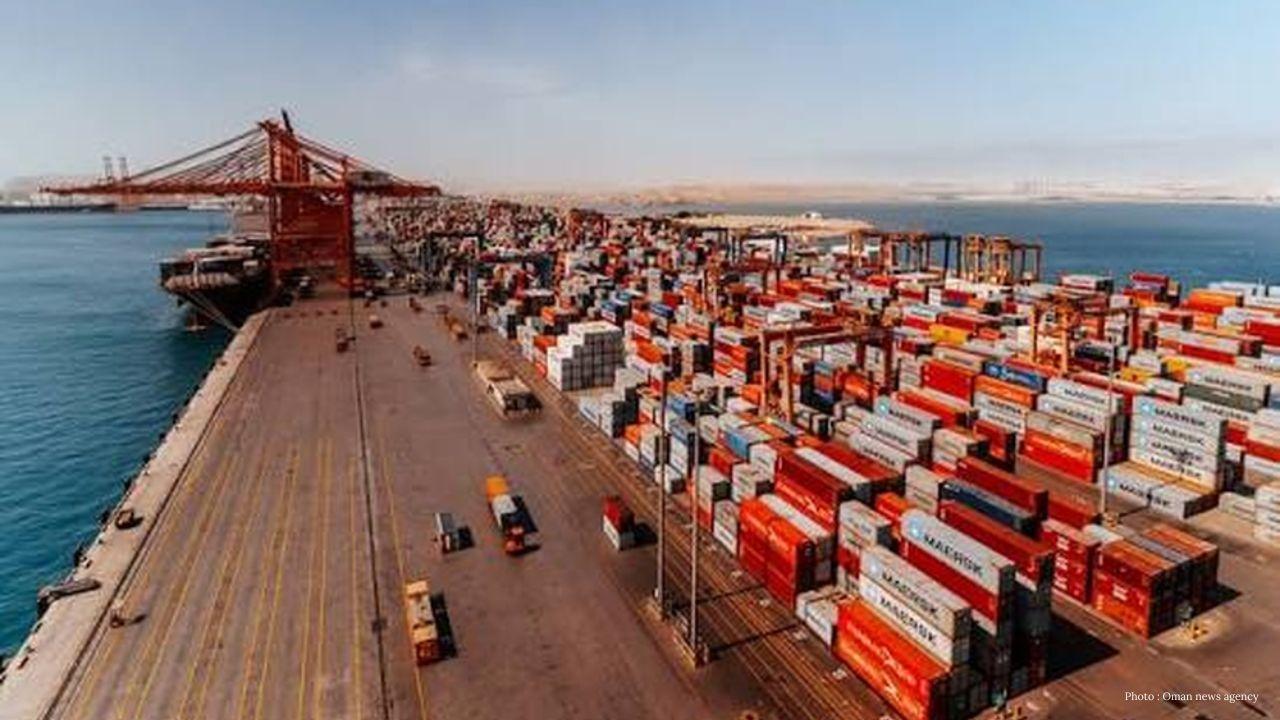
As one of OPEC's largest contributors, the UAE's departure could jeopardize the cartel's influence over global oil supply and pricing—especially as varying production strategies emerge among other members.
The UAE's intentions include a substantial increase in oil production, targeting upwards of 5 million barrels per day by 2027, marking a clear break from OPEC’s quotas.
Broader Economic Implications
Analysts argue that this exit could lead to enhanced global oil supply and potentially lower crude prices, benefiting importing nations like India by alleviating import costs and inflationary pressures.
Furthermore, this move bolsters the UAE’s status as an independent oil player, poised to influence worldwide energy markets beyond OPEC confines.
Strategic Shift in Alliances
Experts contend that this departure mirrors the UAE's strategic reshaping, as it seeks closer ties with global partners, particularly the United States, while asserting greater autonomy in its energy policy.
This development marks a critical shift in the global oil framework, carrying implications for power dynamics across the Middle East’s energy landscape.


 English