Post by : Anis
Al-Rashid
The Seasonal Shift in Energy Demand
Energy consumption exhibits a clear seasonal trend, spiking during winter and also peaking in some regions during extreme summer conditions. The increase in winter usage is largely due to the necessity of maintaining indoor comfort as outdoor temperatures drop.
With the arrival of colder weather, energy requirements rise as buildings lose heat more rapidly, appliances operate at max capacity, and daily life adapts. This multifaceted scenario leads to a predictable increase in energy consumption across households, businesses, and public services.
Heating Systems Are Major Contributors
Space Heating's Dominance in Energy Usage
The primary driver of increased energy use in winter is space heating. Homes and offices heavily depend on various heating devices like furnaces, boilers, and heat pumps to sustain adequate indoor temperatures.
These systems typically operate for extended hours, often running continuously during colder periods. Unlike air conditioning that is employed periodically in the summer, winter heating becomes a relentless quest, greatly amplifying total energy consumption.
Inefficient Heating Intensifies Demand
Outdated or poorly maintained heating infrastructures tend to consume excessive energy to provide the same heating effectiveness. Increased heat escape via uninsulated walls, roofs, and windows requires heaters to exert extra effort, further escalating energy use.
Structures lacking adequate insulation suffer substantial heat loss, contributing to elevated energy demands during winter.
Shorter Days Boost Electricity Consumption
Heightened Reliance on Artificial Lighting
Winter brings about shorter daylight hours and longer nights. This shift forces reliance on artificial light across homes, offices, streets, and communal areas.
In winter, lighting that may remain off during daylight in summer is used extensively during the mornings and evenings. This increased reliance directly contributes to amplified electricity usage.
More Time Spent Indoors
Colder conditions deter outdoor activities, prompting individuals to stay indoors longer, leading to higher usage of lights, TVs, computers, and other electronic devices throughout the day.
Hot Water Demand Rises in Cold Weather
Water Heating Becomes Essential
The need for hot water escalates during winter, as people favor longer hot showers, use warm water more often for sanitation and cooking.
Water heaters, regardless of type—electric, gas, or solar—must expend additional energy to heat cold incoming water to usable temperatures, especially in colder climates.
Laundry and Cleaning Demands
Winter apparel is often thicker, demanding more water and energy for washing and drying. Clothes dryers, particularly energy-intensive appliances, see increased activity during frigid months when air-drying isn't feasible.
Appliances Work Harder in Cold Conditions
Refrigeration and Freezing Efficiency
Surprisingly, refrigerators and freezers often demand more energy in winter. Frequent door openings, holiday meal preparations, and the need to store larger amounts of food all put pressure on these appliances to maintain their desired temperatures.
In cold environments, the efficacy of appliances can diminish, leading to further energy consumption.
Additional Electronics and Comfort Devices
Devices like electric blankets, room heaters, humidifiers, and air purifiers come into prominence during winter. These appliances add additional baseline energy usage as they often operate for long durations.
Behavioral Changes Boost Energy Use
Extended Indoor Occupancy
Colder temperatures lead to altered daily schedules. Individuals tend to wake later, remain indoors longer, and keep heating and lighting on throughout the day.
During severe weather events, work-from-home scenarios further amplify household energy consumption as usage shifts from offices back to residences.
Holiday Season Energy Consumption
Winter often aligns with festive celebrations in many cultures, resulting in boosted energy usage due to holiday lights, cooking appliances, and larger gatherings. Demand surges during these periods due to persistent use and elevated occupancy.
Winter Heat Loss Amplified
Rapid Heat Escape
Heat invariably flows from warmer areas to cooler ones. In winter, the stark contrast between indoor and outdoor temperatures accelerates heat loss.
Inadequate insulation, door and window gaps, and unsealed vents enable warm air to escape, requiring continuous compensation from heating systems.
Impact of Wind and Weather
Intense winter winds can elevate heat loss through a process known as wind chill. Structures facing wind exposure lose warmth rapidly, which escalates heating requirements, even with stable temperatures.
Commercial Energy Demand Also Increases
Heating Large Spaces
Factories, warehouses, office buildings, schools, and healthcare facilities require extensive heating systems to ensure safe working environments. Keeping these large spaces warm translates to increased energy use during winter.
Public infrastructures, like transport stations and government buildings, similarly experience a rise in energy demands during the colder season.
Heightened Operational Loads
Industries engaged in seasonal production, cold storage, logistics, and food preservation may witness a surge in energy usage throughout winter, adding to the total grid demand.
Energy Resources Under Strain
Peak Demand Places Pressure on Grids
Energy consumption typically spikes during early morning and evening hours, when heating and lighting usage converges. These peak periods can strain electrical grids and fuel supplies.
During extreme weather, the demand may outstrip generation capabilities, increasing outage risks if systems are not sufficiently equipped.
Fuel Use and Supply Challenges
The demand for gas, coal, and oil rises in winter to meet heating requirements. The distribution and storage of these fuels also necessitate extra energy, accentuating the overall consumption burden.
Regional and Climate Factors Impact Winter Energy Use
Severe Winters Lead to Increased Energy Use
Regions afflicted by harsh winters see more pronounced energy consumption spikes compared to areas with milder climates. Extended periods of frost and snowfall prolong heating requirements, boosting energy needs over time.
Urban vs Rural Considerations
Urban residences tend to have better insulation and centralized heating, while rural areas often depend on independent heating systems that may be less efficient.
The Economic Consequences of Increased Winter Energy Need
Soaring Household Energy Bills
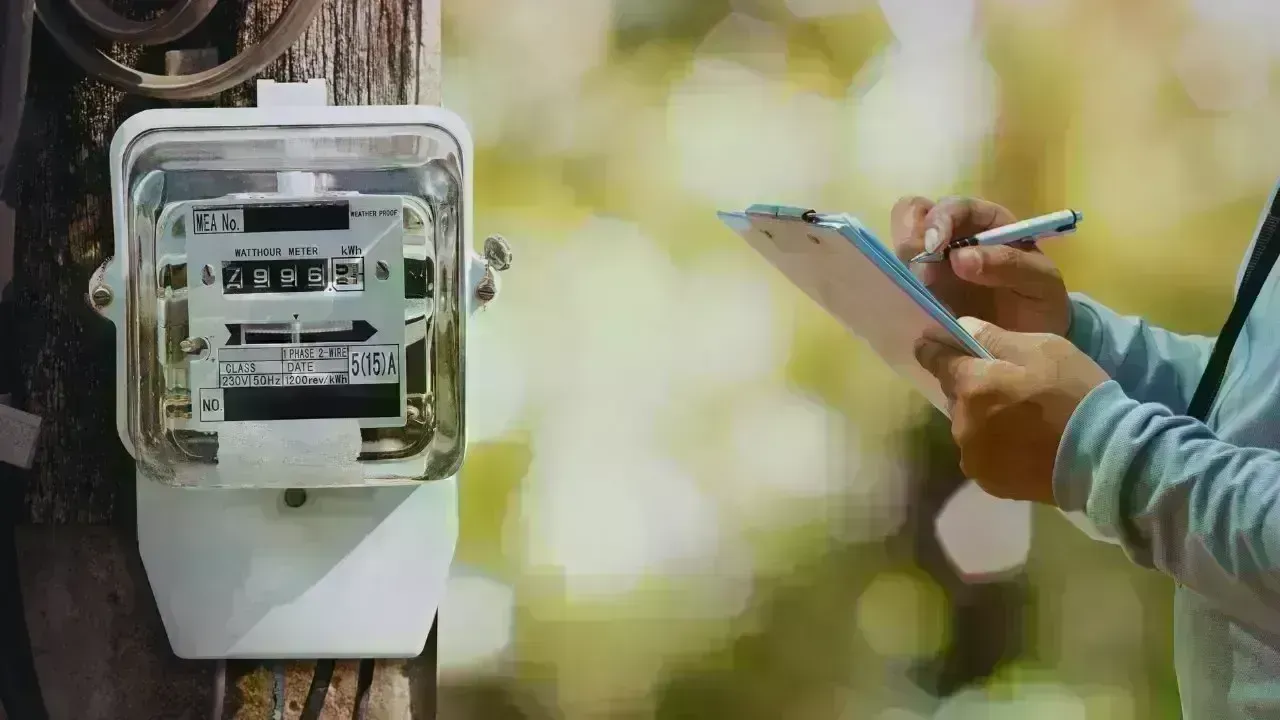
Heightened energy consumption leads to inflated utility bills in winter. Heating expenditures often dominate household energy costs during this time.
For economically disadvantaged households, increased energy demand can impose financial burdens, accentuating the need for efficiency programs and assistance initiatives.
Impact on National Energy Budgets
On a broader scale, winter energy demand influences national fuel imports, power generation expenses, and energy pricing, impacting the overall economic landscape.
Improving Energy Efficiency to Mitigate Winter Consumption
Enhancing Insulation and Sealing
Effective insulation techniques, weather stripping, and sealing entry points can significantly minimize heat loss. These strategies help retain indoor warmth while using less energy.
Optimizing Heating Practices
Employing programmable thermostats, keeping heating systems well-maintained, and maintaining moderate indoor temperatures can curtail energy consumption without sacrificing comfort.
Smart Appliance Usage
Limiting unnecessary appliance operation, embracing energy-efficient lighting, and controlling hot water usage can collectively help lower winter energy demand.
The Role of Renewable Energy in Winter Consumption
Addressing Challenges and Exploring Opportunities
Seasonal dynamics pose challenges for renewable energy sources during winter, notably with diminished sunlight for solar systems. However, wind energy resources often thrive in colder months.
Integrating a mix of renewable energies aids in addressing rising winter demands while decreasing dependence on fossil fuels.
Conclusion: Necessity Drives Winter Energy Use
The winter energy consumption spike is a reflection of necessity rather than waste. Ensuring heating, lighting, and hot water access remains crucial for health and comfort under frigid conditions.
By analyzing the factors driving increased winter energy demands, individuals and communities can adopt more strategic measures to manage consumption, alleviate costs, and lessen ecological footprints—without sacrificing comfort or safety.
Disclaimer:
This article serves informational purposes, discussing general energy consumption behaviors. Actual energy use can vary based on climatic conditions, architectural design, technological factors, and personal habits.


 English