Post by : Meena
Hassan
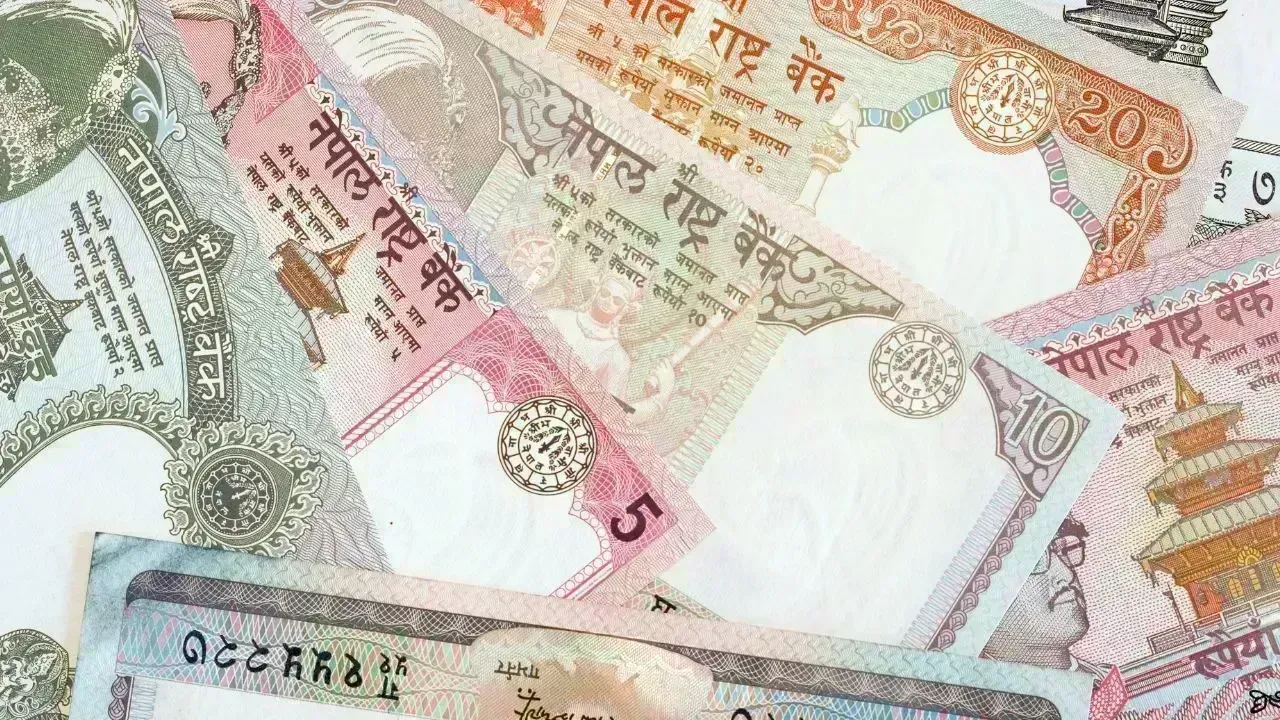
The government of Nepal has implemented a regulation that restricts cash transactions above NPR 500,000 (equivalent to about Rs 3,13,287) for goods and services. This measure will take effect from January 15. Under this new guideline, any transaction amounting to NPR 500,000 or more must be executed through financial institutions or banks, utilizing methods such as bank transfers or account-payee cheques.
The directive stems from the Asset (Money) Laundering Prevention Act, 2008, enabling the government to impose controls on cash transactions in order to combat illegal financial activities. This initiative aims to address problems like money laundering and terrorism financing that can arise from substantial cash dealings. The timing is significant, as Nepal has recently re-entered the “grey list” of the Financial Action Task Force (FATF), which advocates for stricter financial monitoring and transparency to alleviate concerns related to illicit financial practices.
There are notable exceptions to this limitation; for instance, deposits into financial institutions, loan repayments (both principal and interest) made to banks, or cash dealings solely between financial institutions are not subject to this cap. Furthermore, residents carrying cash within Nepal will not be restrained by this limit if they can provide clear documentation regarding the source and purpose of the funds.
As part of this framework, Nepal Rastra Bank has instructed all licensed banks and financial entities to ensure that any transactions over NPR 500,000 are processed via account-payee cheques or through a direct deposit into the recipient's bank account. This rule also extends to cheques issued for firms or organizations, which must strictly abide by the protocol of being accounted for properly.
Additionally, the central bank has introduced a provision for situations where a depositor might necessitate cash payments exceeding NPR 500,000. If the depositor presents a valid request and the bank finds the explanation sufficient, such payments may be considered.
This policy is part of Nepal's larger objective to enhance transparency and accountability in financial dealings, aligning with international standards aimed at preventing illicit financial activity. It underscores the government's dedication to fortifying the financial framework and addressing financial crime.


 English