Post by : Anis
Al-Rashid
Exploring the Rising Concerns of Smog Pollution
In the past week, alarming increases in smog levels across key metropolitan areas have renewed a critical discussion: Is life in urban settings becoming untenable? What started as isolated social media comments regarding deteriorating air quality has escalated into a significant public inquiry about the safety and desirability of densely populated cities.
The smog increase felt like more than just a pollution spike; it became a clarion call. Everyday habits, long-lasting health implications, and even the fundamental belief that cities epitomize growth and opportunities are now under scrutiny. With pollution indicators showing disturbing highs, the idea of “leaving the city” gained traction online, affecting both public sentiment and local government agendas.
Though city planners typically do not react solely to public sentiment, the recent wave of anxiety prompted several local administrations to reconsider their strategic priorities. The swift shift in public perception highlighted how transient smog episodes could disturb perceptions about urban living's future.
Why Recent Smog Levels Were Particularly Alarming
Smog incidents are not new, but several factors made this one particularly impactful. Firstly, it hit unexpectedly early, surprising commuters and educational institutions. Secondly, health authorities noted a rapid rise in respiratory issues, particularly among children and older adults. Lastly, the prevalence of real-time air quality monitoring—fueled by smartphones—made this crisis undeniably visible.
Families began pondering temporary escapes; middle-aged workers reconsidered long commutes; students raised alarms about outdoor activities. Even those accustomed to periodic smog issues admitted the intensity of this recent spike felt greater.
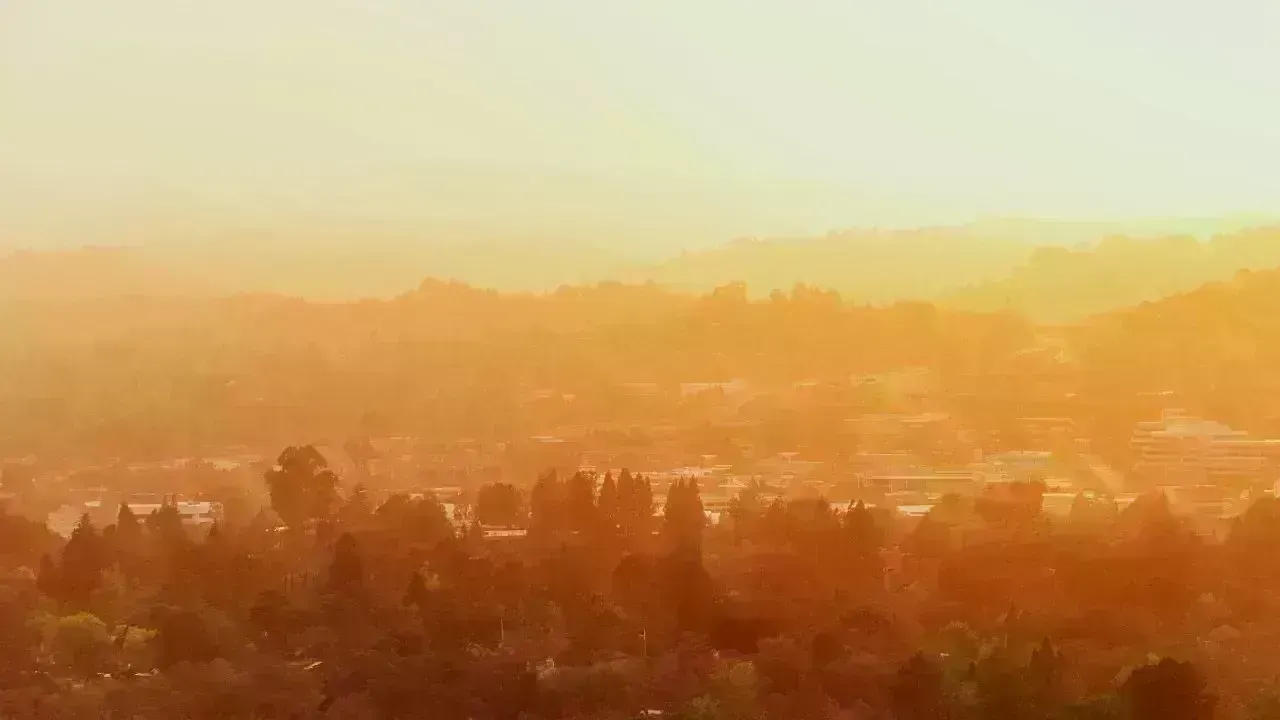
The psychological effects were also striking. The dense smog blurring city skylines created a sense of unease, prompting residents to voice concerns about the livability of their surroundings, which expanded discussions beyond mere health to encompass mental well-being and overall quality of life.
The Spread of the 'Leave the City' Discussion
As pollution statistics circulated, households from various backgrounds began similar conversations. Some contemplated brief getaways to nearby locales, while others considered permanent moves to quieter tier-2 or tier-3 cities, attracted by the allure of cleaner environments and calmer lifestyles.
Three predominant themes emerged among families exploring these ideas:
Health Considerations
Parents expressed concern over their children's exposure to harmful air quality during school. Many sought opportunities for home-based learning, if only temporarily, to limit outdoor exposure.
Financial Reevaluation
The recent smog spike compelled families to reassess whether the high expenses tied to urban living remained justifiable amidst growing environmental uncertainties.
Shifts in Lifestyle
Increasingly, people questioned if the burdens of traffic, noise, and pollution surpassed the benefits normally associated with urban life.
While immediate relocation isn't feasible for everyone, the emotional yearning for cleaner settings rapidly gained traction.
Time for Urban Planners to Rethink Strategies
Urban planning authorities, previously critiqued for sluggish responses to environmental challenges, found themselves facing urgent demands for change. Severe smog incidents provoke logistical issues—including disrupted mobility, decreased productivity, and heightened health complications.
The recent events have catalyzed discussions in planning boards regarding:
-
Revising environmental zoning regulations
-
Enhancing clean-transport infrastructure
-
Introducing stricter industrial protocols
-
Expediting electric vehicle facilities
-
Implementing temporary pollution-management policies
Municipal bodies began reassessing long-stalled initiatives aimed at increasing green environments. Projects previously considered ambitious—such as implementing large-scale solar solutions or redesigning traffic flows—are now viewed as urgent necessities.
Rising Interest in Suburban and Tier-2 Locations
Real estate professionals in suburban regions noted a surge in inquiries amid the smog reports. Families who had earlier ruled out relocation to suburbs over commuting logistics started rethinking their priorities.
What prompted this sudden shift?
Less Polluted Air
Suburban and tier-2 locales generally feature reduced industrial density, often leading to healthier air quality.
Reduced Stress
Residents reported feeling mentally exhausted from the smog episode, making quiet areas more appealing.
Economic Advantages
With remote work becoming more commonplace, residing beyond crowded hubs has become increasingly viable.
While not everyone will transition, the growing desire is likely to influence both regional planning efforts and housing trends.
Corporate Reactions to the Pollution Crisis
The corporate sector reacted quickly, with many organizations opting for more lenient attendance policies, endorsing hybrid work arrangements, or promoting adjustable hours to circumvent peak pollution times. Air purifiers regained priority in office settings, and some companies even provided masks for commuters.
Human Resources departments began re-evaluating wellness initiatives, which included:
-
Permitting remote work on days with hazardous pollution
-
Issuing air-quality allowances
-
Facilitating respiratory health assessments
-
Providing counseling services for stress linked to environmental discomfort
These corporate policies have unexpectedly integrated into the broader dialogue about the preparedness of cities to face future pollution crises.
The Response of Younger Generations
Young adults, particularly those in their twenties, reacted decisively to the smog situation. Many are actively considering moves to smaller towns that offer growing employment prospects. This generation values mental wellness, flexible work scenarios, and outdoor activities—all significantly disrupted during smog emergencies.
Students likewise voiced frustration over canceled outdoor sports and activities due to hazardous air quality. For a demographic reliant on vibrant social lives, being confined indoors felt overly restrictive.
These sentiments, amplified online, continue informing urban recreational infrastructure and public health strategies.
Impact on Daily Routines
Smog subtly yet profoundly impacts daily life:
-
Morning walkers avoiding public parks
-
Public transport users donning masks once more
-
Parents modifying drop-off and pick-up times
-
Lower foot traffic at open-air markets
-
Cafés and eateries experiencing diminished outdoor patronage
Such behavioral shifts, when aggregated, can have considerable impacts on economic indicators and community dynamics.
Urban Planning at a Pivotal Moment
This past week illuminated a critical point: residents are increasingly unwilling to compromise their health for urban conveniences. While immediate exodus from cities may not occur, the conversation around it has undeniably shifted strategic thinking about urban living.
Urban planners face pressing questions:
-
How can cities guarantee long-term health and wellness?
-
What effective strategies can meaningfully combat pollution rather than temporarily mask it?
-
Can sustainable living options, green transport, and regional development become standard practice?
The answers to these inquiries will dictate whether smog incidents lead to rising distress or usher in transformative urban progress.
Will Urban Exodus Truly Happen?
While the sentiment for change is palpable, meaningful relocation entails various personal adjustments—financial, social, and career-oriented. Many will remain but with elevated benchmarks. They will expect improved air quality, progressive policies, expanded green areas, and clearer communication from local authorities.
Cities resisting these changes risk losing their allure, while those embracing innovation may emerge more robust.
This week’s smog crisis has indelibly shifted millions' perspectives, paving the way for a future where health and sustainability shape urban planning priorities.
Conclusion
The recent surge of smog marked more than just a fleeting occurrence—it unveiled deep-seated fears about urban existence. It compelled citizens, planners, and policymakers to seek sustainable solutions, moving beyond temporary responses to confront environmental reality. The “leave the city” conversation, once marginal, has been thrust into the spotlight, influencing the future of urban strategies for years ahead.
DISCLAIMER:
This article reflects current observations and expert insights, intended solely for informational purposes. It should not be construed as legal or medical counsel.


 English