Post by : Bianca
Haleem
The U.S. government has sanctioned an extensive arms package to Taiwan, valued at over $10 billion. This deal incorporates sophisticated missiles, howitzers, drones, and various military hardware. China's response is likely to be critical, given its firm stance against any military support for Taiwan.
Details of the Arms Package
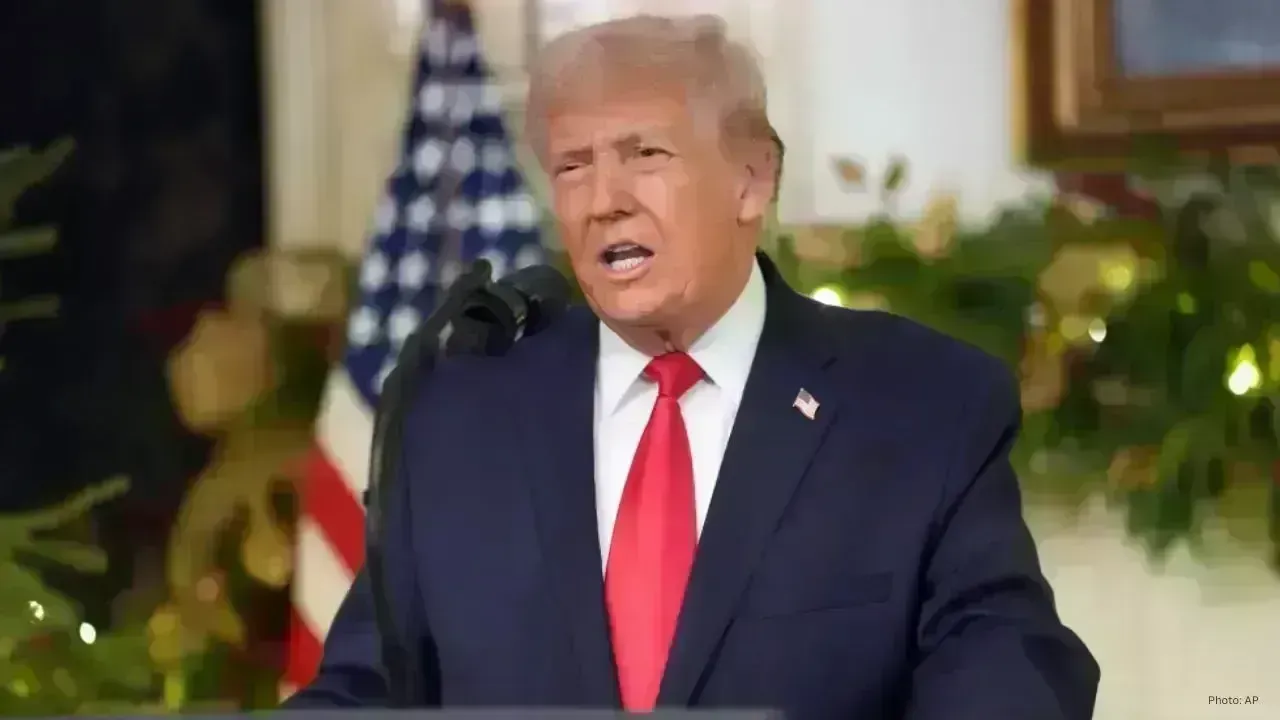
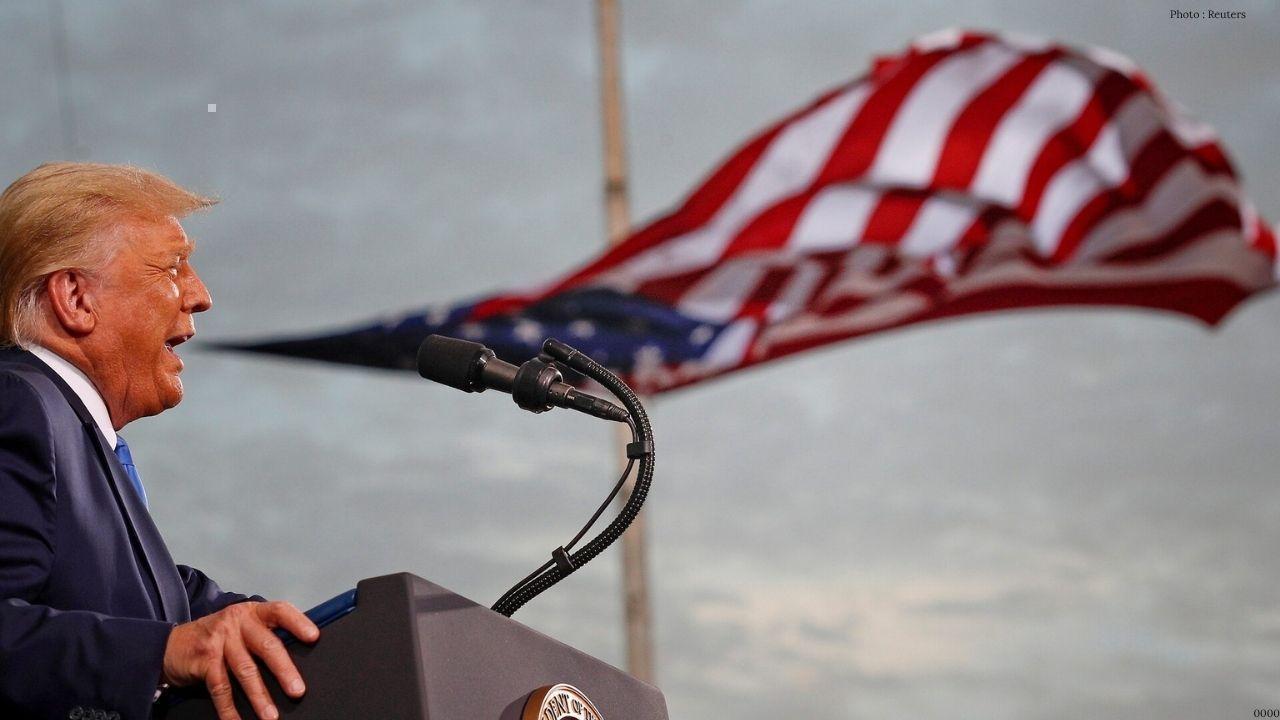
The announcement was made public by the U.S. State Department late Wednesday, coinciding with President Donald Trump’s televised address. The package encompasses eight significant contracts:
-
82 HIMARS rocket systems
-
420 Army Tactical Missile Systems (ATACMS), akin to those previously sent to Ukraine
-
60 self-propelled howitzers
-
Drones valued at over $1 billion
-
Military software estimated at over $1 billion
-
Javelin and TOW missiles costing $700 million
-
Helicopter spare parts priced at $96 million
-
Harpoon missile refurbishment kits valued at $91 million
The combined cost of HIMARS and ATACMS exceeds $4 billion, while the howitzer systems are estimated at another $4 billion.
Rationale Behind the Approval
According to the State Department, the arms sale is designed to bolster U.S. national security interests. The initiative aims to assist Taiwan in modernizing its military capabilities and maintaining robust defense systems. Officials also underscored that the sale will:
-
enhance Taiwan's self-defense
-
promote political stability
-
maintain military equilibrium in the region
-
spur economic growth
U.S. law mandates support for Taiwan's defense. This obligation has become increasingly contentious due to China's mounting military pressure on the island.
China's Reaction
Beijing regards Taiwan as part of its territory and has signaled that it may resort to force for reunification. The Chinese embassy in Washington responded harshly to the arms deal approval.
China asserts that the U.S. is:
-
amplifying the “China threat” narrative
-
provocatively supporting Taiwan's military
-
interfering in its national development
-
straining U.S.-China relations
Taiwan's Response
Taiwan’s Defense Ministry expressed gratitude to the U.S., asserting that this sale is pivotal for maintaining peace and defense capabilities. Taiwan's Foreign Minister commended the enduring support.
The island plans to escalate military expenditures for:
Taiwan's defense budget is set to rise to 3.3% of GDP next year, with ambitions to reach 5% by 2030. President Lai Ching-te recently articulated a $40 billion special defense allocation, which will fund a new air defense mechanism dubbed Taiwan Dome.
Political Context
This arms deal aligns with forthcoming U.S. legislation that is likely to be enacted soon. The National Defense Authorization Act proposes increased military assistance to Taiwan and tighter restrictions on China. China has vocally opposed this legislative act.
The U.S. Senate's approval came on Wednesday, with President Trump poised to endorse it shortly.
This arms deal, valued at $10 billion, strengthens U.S.-Taiwan relations and amplifies Taiwan's defense capabilities. However, it escalates tensions in U.S.-China relations, potentially affecting future diplomatic engagements and regional security in Asia.


 English