Post by : Bianca
Haleem
The United States military carried out its 11th consecutive night of airstrikes on Iran early Wednesday, as fighting across the Middle East continued to intensify and diplomatic efforts to restore a ceasefire appeared to make little progress.
The latest military action came as tensions spread beyond Iran, with attacks affecting shipping routes, regional allies, and global energy markets. At the same time, Pakistan continued efforts to encourage both sides to return to negotiations after the collapse of an interim ceasefire agreement.
US Military Targets Aircraft and Drone Facilities
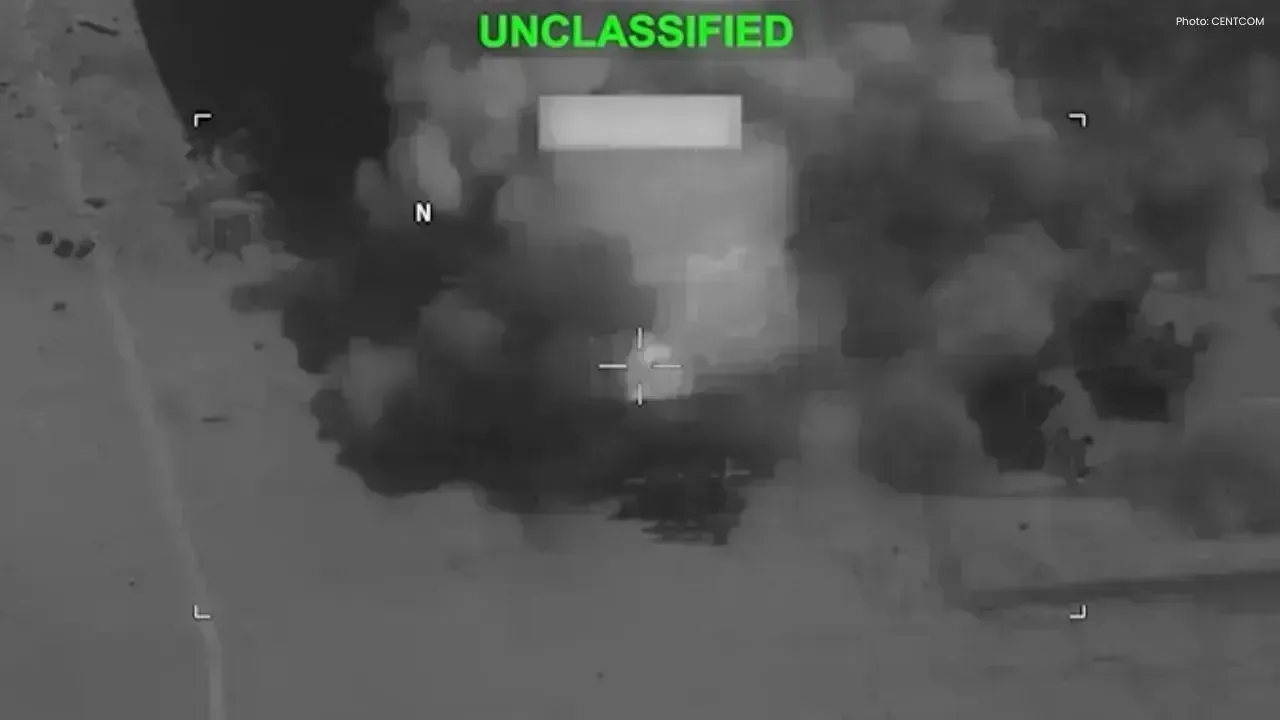
The U.S. Central Command (CENTCOM) said the latest operation targeted aircraft hangars and drone storage facilities inside Iran. The strikes followed comments from U.S. President Donald Trump, who indicated that military operations against Iran would become more intense.
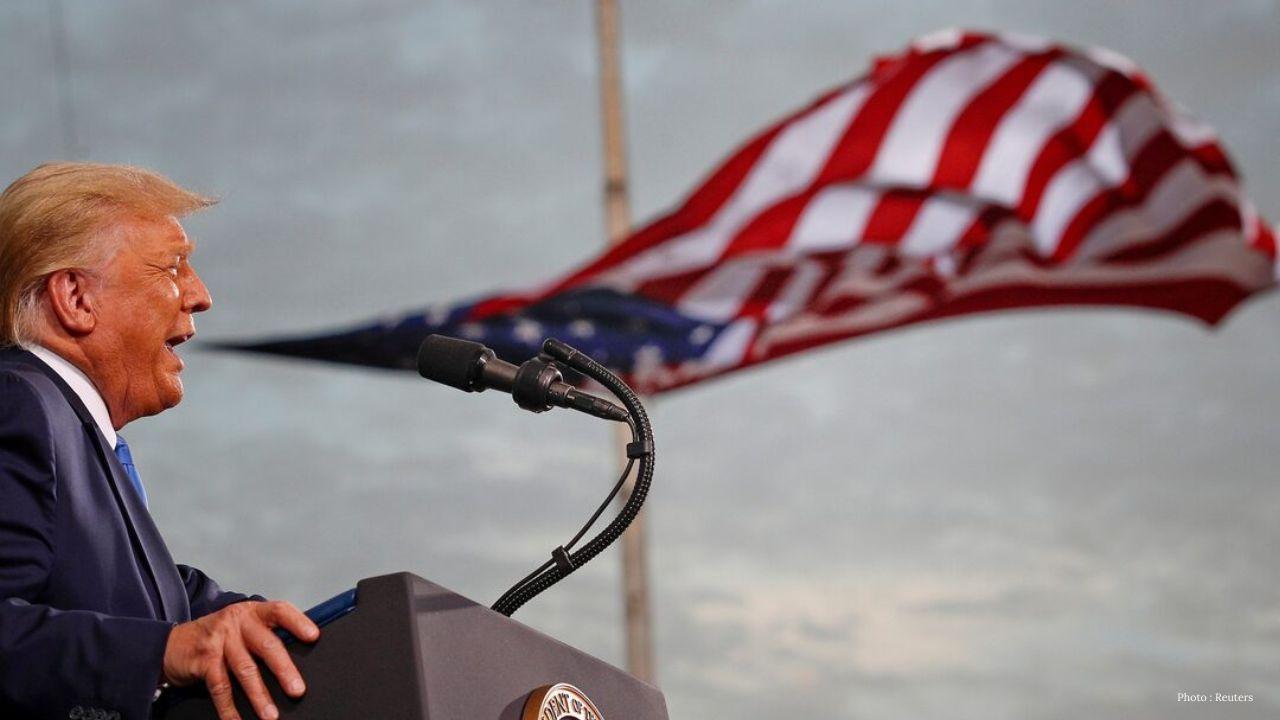
Speaking from the Oval Office on Tuesday, Trump said the United States had "no interest in meeting" with Iranian officials at this stage. He also suggested that U.S. forces could soon target an area near Pickaxe Mountain, a fortified underground location close to one of Iran's main uranium enrichment sites.
Pakistan Tries to Revive Diplomatic Talks
Before the latest strikes, Iranian Interior Minister Eskandar Momeni traveled to Pakistan, which has been acting as a key mediator in the conflict.
According to two officials who spoke anonymously because the discussions were private, Momeni met Pakistan's Army Chief Field Marshal Asim Munir before holding talks with Prime Minister Shehbaz Sharif.
In an official statement, Sharif expressed deep concern over the recent escalation between the United States and Iran. He urged all parties to show restraint and avoid actions that could further destabilize the region.
Read More: Russian Bomb Attack Kills Three in Ukraine's Zaporizhzhia
Pakistan's political leadership and Field Marshal Munir played an important role in helping broker last month's interim agreement between the United States and Iran. Islamabad has continued trying to bring both countries back to the negotiating table, although no new agreement has been announced.
Conflict Centers on the Strait of Hormuz
The fighting has increasingly focused on control of the Strait of Hormuz, one of the world's most important energy shipping routes.
Despite repeated U.S. airstrikes, Iran has maintained its influence over the strategic waterway. Before the conflict, around one-fifth of the world's crude oil and natural gas shipments passed through the strait.
As negotiations remain stalled, both sides have attempted to strengthen their positions by targeting civilian infrastructure across the region that supports millions of people.
Iran Reports Explosions Across Multiple Provinces
Iran continued to face airstrikes early Wednesday as its air defense systems were activated near Tehran.
Iran's state-run IRNA news agency reported explosions in Bushehr, East Azerbaijan, Hamadan, Hormozgan, Khuzestan, and Sistan and Baluchistan provinces.
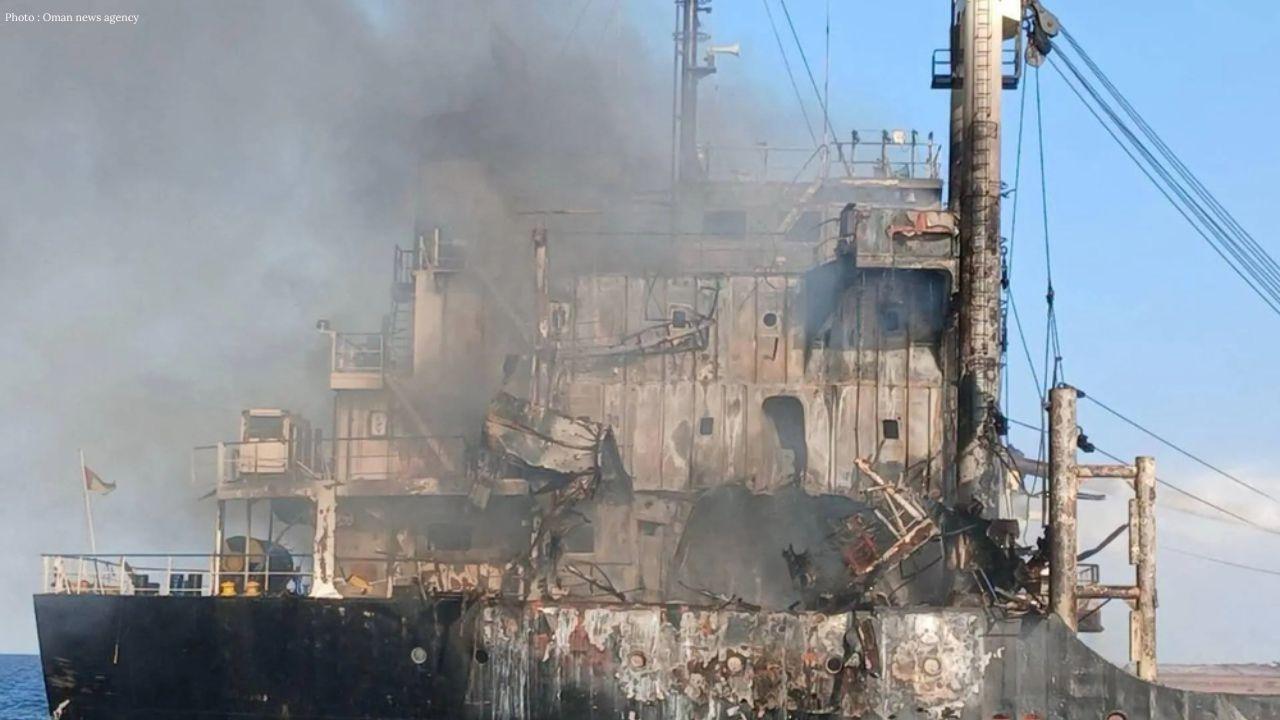
The attacks followed an Iranian strike on a tanker in the Strait of Hormuz on Tuesday, which forced its crew to abandon the vessel.
Iran also continued attacks against U.S. allies in the region, launching strikes targeting Bahrain, Jordan, and Kuwait.
Energy Prices Rise as Shipping Routes Face Pressure
The growing conflict pushed global energy prices higher.
On Wednesday, the international benchmark price for crude oil rose above $92 per barrel, while the average price of regular gasoline in the United States reached $4 per gallon.
The disruption of shipping through the Strait of Hormuz has increased concerns about global oil supplies.
US Military Casualties Continue to Increase
A U.S. official told The Associated Press that the number of wounded American military personnel in the Iran conflict has now grown to well over 500 troops.
The figure is higher than the Pentagon's official Defense Casualty Analysis System, which currently lists 482 wounded personnel.
The official, who spoke anonymously because they were not authorized to discuss the matter publicly, said the reporting system experiences delays in updating injury figures and that the lag is due to how the system operates rather than any intentional withholding of information.
Houthis Open New Front in the Red Sea
Iran-backed Houthi rebels in Yemen have expanded the conflict by declaring a naval blockade against Saudi Arabia in the Red Sea.
The move threatens another major route used for global oil transportation and international trade. With shipping already disrupted in the Strait of Hormuz, Saudi Arabia has been relying on a pipeline to move millions of barrels of oil to the Red Sea for export.
The Houthi-run SABA news agency reported Tuesday that six ships changed their routes after receiving warnings from the group. The Associated Press said it could not immediately verify that claim.
Three Houthi officials, speaking anonymously because they were not authorized to speak publicly, said international shipping companies were warned on Monday not to travel through the Bab el-Mandeb Strait, the southern entrance to the Red Sea.
Iran Warns Against Attacks on Sensitive Sites
Trump repeated that Iranian officials wanted talks but said the United States would not meet with them unless discussions became meaningful.
Iran's military leadership responded by warning that any attack on nuclear facilities or other sensitive locations would be viewed as a major escalation, according to a statement carried by Iranian state media.
Relations remain deeply strained. Iran was attacked unexpectedly in June 2025 and again in February while nuclear negotiations with the United States were underway.
The interim agreement later collapsed after Iran resumed attacks on ships in the Strait of Hormuz, despite the deal requiring the waterway to reopen.
Commercial Shipping Comes Under Attack
The United Kingdom Maritime Trade Operations (UKMTO) center said a tanker came under attack early Tuesday in the Strait of Hormuz off the coast of Oman, forcing the crew to leave the vessel.
Iran's paramilitary Revolutionary Guard claimed responsibility for that attack as well as two other attacks on ships carried out on Monday in the same waterway.
The route near Oman's coastline has been recommended by the U.S. military as a safer passage for commercial vessels to reduce exposure to Iranian control.
CENTCOM also said on X that, as of Tuesday, U.S. forces had redirected eight commercial vessels and disabled one vessel while enforcing the blockade measures in the Strait of Hormuz.


 English