Post by : Shweta
In a significant shift, President Donald Trump declared the U.S. will momentarily cease its military operation aimed at guiding commercial ships through the Strait of Hormuz. This move is intended to provide room for ongoing diplomatic efforts with Iran amidst rising tensions in this crucial maritime corridor.
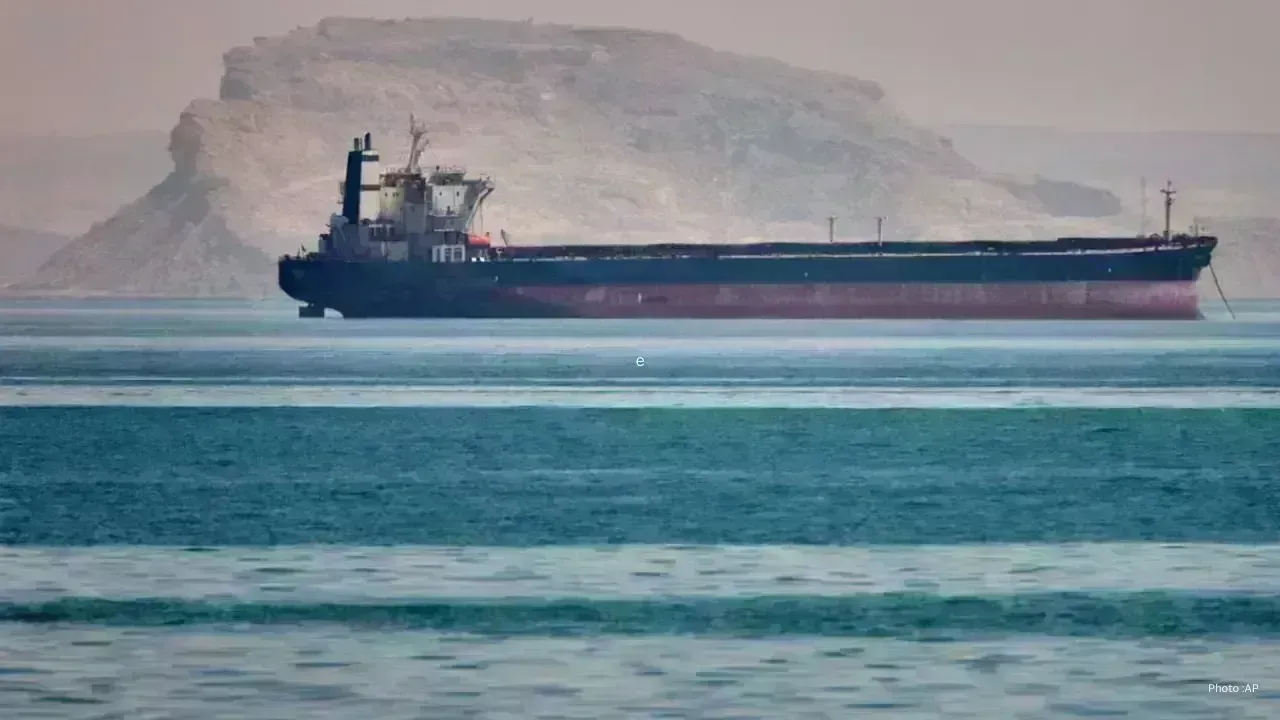
Launched earlier this week, the initiative—dubbed “Project Freedom”—was established to ensure the safe passage of commercial vessels following Iranian restrictions in the area. The Strait of Hormuz is vital for global oil transport, accounting for nearly 20% of oil shipments worldwide. The situation has fueled concerns over potential fuel shortages and economic fallout across international markets.
Trump indicated this pause comes as a result of “significant progress” in dialogues with Iran, with several countries, including Pakistan, advocating for continued diplomatic negotiations. The U.S. administration posits that halting military escort operations could foster a conducive atmosphere for a wider peace agreement.
While the naval escort operation is on hold, U.S. officials reaffirmed that comprehensive sanctions against Iranian ports will persist. The White House characterizes the suspension of Project Freedom as a tactical diplomatic maneuver rather than a retreat from pressure on Iran.
The Strait of Hormuz has drawn global scrutiny, especially after Iran imposed tighter controls over shipping lanes following recent military actions. It has been reported that numerous commercial vessels have encountered delays or have been trapped due to security threats and military interventions. U.S. defense leaders framed Project Freedom as a humanitarian mission aimed at safeguarding civilian maritime operations.
Secretary of State Marco Rubio previously remarked on the initiative's role in establishing a secure maritime route for vessels leaving the Gulf. Despite this, high tensions persisted as missile and drone attacks linked to the regional conflict continued. Experts caution that any direct conflict in the Strait of Hormuz could severely disrupt global trade and energy sectors.
Following Trump's announcement, oil markets responded positively, with crude prices declining as investors perceived the pause as a potential easing of military tensions. Financial analysts express optimism that diplomatic channels may mitigate the risk of a broader regional confrontation, thereby stabilizing energy supplies.
Simultaneously, diplomatic engagements have escalated, with Iranian Foreign Minister Abbas Araghchi discussing matters with Chinese officials in Beijing. Pakistan is reported to be mediating further talks between Washington and Tehran. China, a key ally of Iran, has called for restraint and the safeguarding of global trade routes.
Despite ongoing negotiations, the Gulf's situation remains tenuous. Iran has yet to finalize any agreements with the U.S., and experts highlight persistent disagreements regarding sanctions, nuclear issues, and military engagement in the area. For now, the temporary pause in Project Freedom is seen as a last attempt to pave the way for peaceful diplomacy before tensions escalate further.


 English