Post by : Raina
Al-Fahim
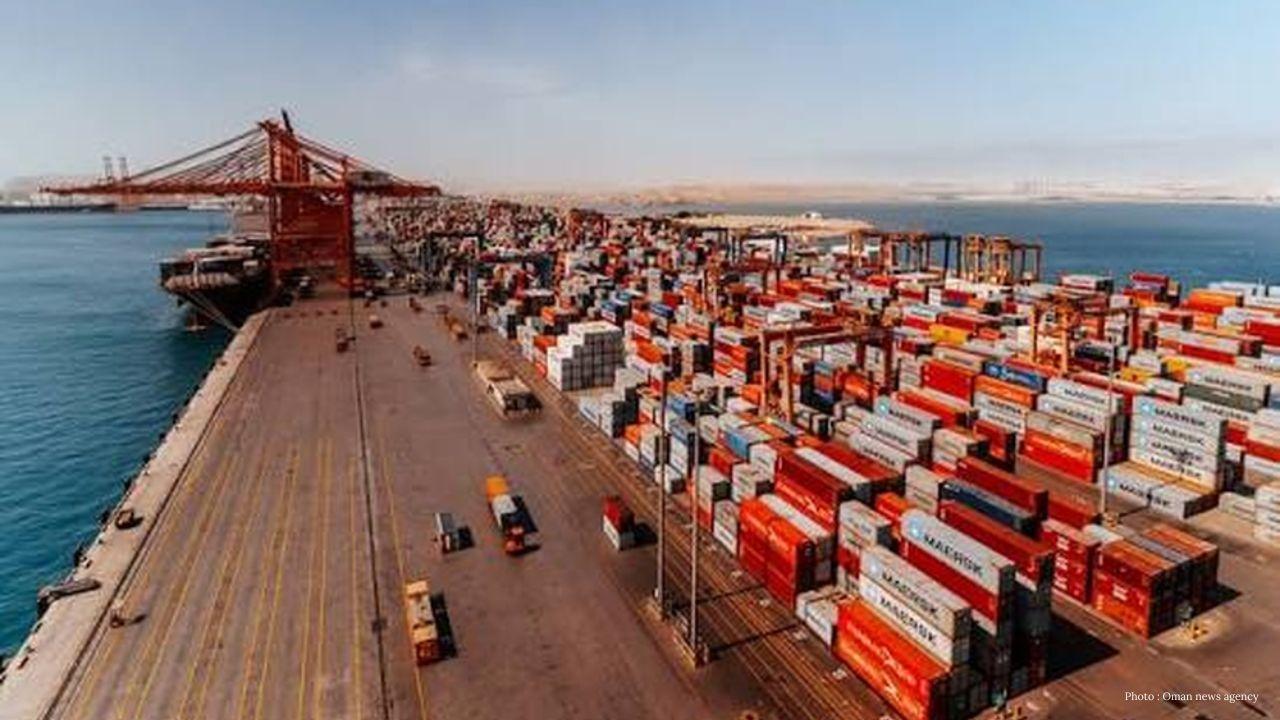
India is currently grappling with substantial 50% tariffs on its exports to the United States, primarily aimed at penalizing the country for its continued purchase of Russian oil. These new tariffs are exerting considerable strain on major sectors, including textiles, jewellery, seafood, leather, and engineering—industries that collectively support millions of workers in India. As the world’s largest democracy strives to balance its trade relationships while addressing its energy requirements, the escalating US-India trade tensions have emerged as a focal point in the global economic landscape.
Recently, US President Donald Trump revealed that his recent discussions with Prime Minister Narendra Modi mostly revolved around trade issues. During their conversation, Modi reportedly assured Trump that India would reduce its oil imports from Russia. This declaration followed the imposition of new sanctions by the United States on Russia’s leading oil producers, compelling Indian refiners—who are significant buyers of discounted Russian oil—to implement substantial reductions in their imports. This development may serve as a catalyst for progress toward a long-desired US-India trade agreement.
The trade discord between the US and India has centered on energy, agriculture, and market accessibility. While India’s exports currently endure a steep 50% tariff to the US, Washington is contemplating lowering this rate to around 15-16%, contingent upon India making critical concessions regarding energy and agricultural imports. The tariffs imposed are not solely economic tools; they are also political strategies intended to encourage New Delhi to modify its oil trading practices and expand market access for American products.
One of the pertinent issues in the US-India negotiations is the matter of agricultural imports, such as corn and soybeans. The US, a producer of large quantities of genetically modified (GM) crops, has been pressing India to open its market to US corn. However, India maintains restrictions on ethanol production from imported grains and bans GM food crops. Washington argues that these corn exports could be exclusively utilized for ethanol production, not for food consumption, while India remains wary about jeopardizing its domestic regulations and the interests of its farmers.
The trade conflict has also highlighted issues surrounding soybeans and soymeal. Owing to tariff disputes between the US and China, American soybeans have become prohibitively expensive for Chinese buyers, leading to significant surpluses for US farmers. To bolster its agricultural sector, the Trump administration is urging India to import US soybeans and soymeal, particularly given India’s vast cattle population and increasing demand for animal feed. Nonetheless, Indian soybean producers vehemently oppose these imports, citing potential adverse effects on local oilseed farmers and domestic price stability.
Despite pressure from the US, India has stood firm against allowing imports of corn, soybeans, and dairy products, emphasizing the imperative to protect the livelihoods of small farmers. Trade analysts suggest that New Delhi may entertain some limited imports of specific goods; however, any substantial concessions could trigger political repercussions. With assembly elections forthcoming in Bihar—one of India's largest corn-producing areas—allowing US corn imports could alienate rural voters, rendering the situation politically sensitive.
In addition, India's ethanol sector contends that importing US corn could disrupt existing supply chains. The nation has made considerable investments in enhancing its ethanol production capacities to promote energy independence, and officials assert that domestic output currently meets demand. Accepting US corn imports could jeopardize this progress and compromise India’s long-term energy objectives.
Central to the US-India trade tensions is a multifaceted interplay of diplomatic relations, economic strategies, and domestic political considerations. While India strives to secure affordable Russian oil and safeguard local industries, the United States remains focused on opening new markets for its farmers and energy producers. Although the journey toward a US-India trade agreement is fraught with uncertainty, both nations seem committed to finding a middle ground between collaboration and competition.
As India tackles the dual challenges of steep US tariffs on exports and increasing global scrutiny regarding its Russian oil imports, the forthcoming months are set to be pivotal in shaping the future trajectory of the US-India trade relationship, which holds the potential to redefine global trade dynamics for years ahead.


 English