Post by : Saif
Al-Najjar
In a bid to alleviate rising tensions between the United States and Iran, Pakistan is stepping up as a crucial venue for peace talks. Scheduled during a critical juncture, these discussions coincide with the nearing expiration of the current ceasefire.
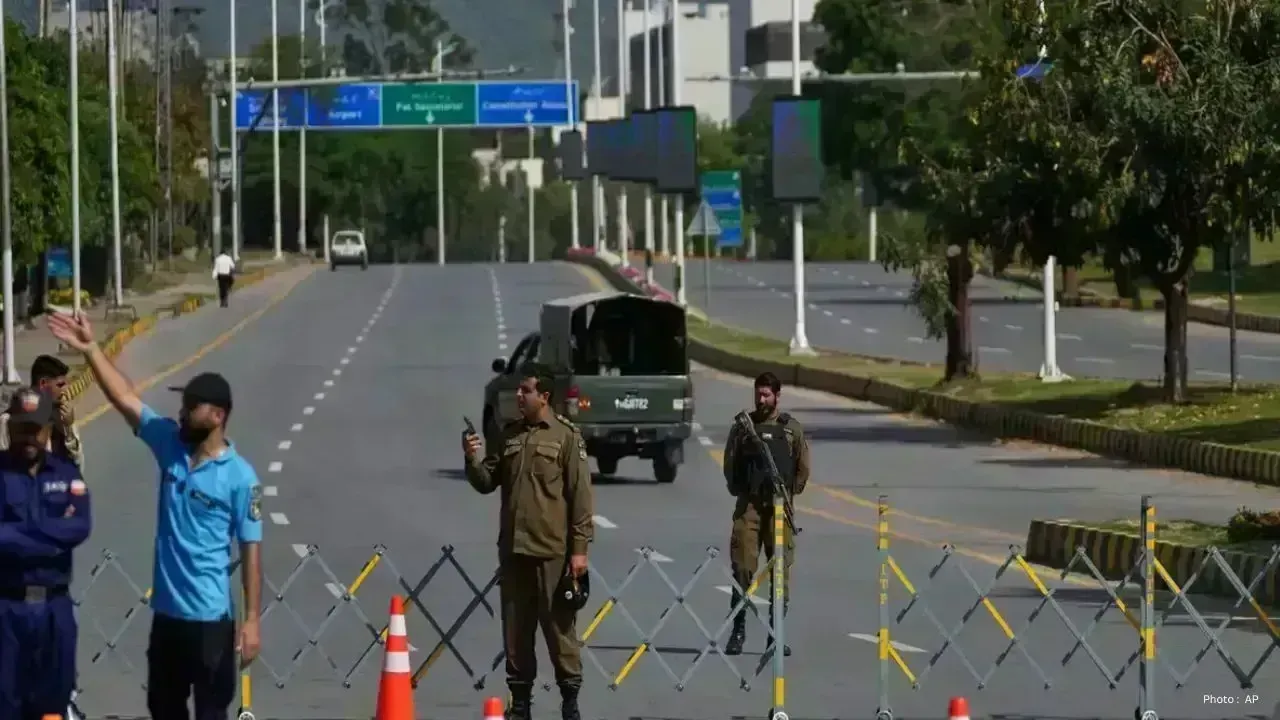
In Islamabad, officials are ramping up security measures and logistical preparations for high-level negotiations. While the U.S. has confirmed its representatives will be present, Iran's attendance remains uncertain.
The urgency of these talks is underscored by the impending end of the ceasefire, which has temporarily curtailed violence but failed to address fundamental disagreements. Should negotiations falter, the risk of escalating tensions could become a harsh reality.
Central to the discussions are the deep-seated trust issues between the two nations. The U.S. aims to curtail Iran’s nuclear ambitions, whereas Iran seeks relief from ongoing economic sanctions and greater trade autonomy. These conflicting positions have hampered swift progress.
Recent developments have only fueled discord, with actions taken during the ceasefire raising alarms for both parties. Public rhetoric from leaders has also amplified pressure, with threats of military responses looming over the negotiations.
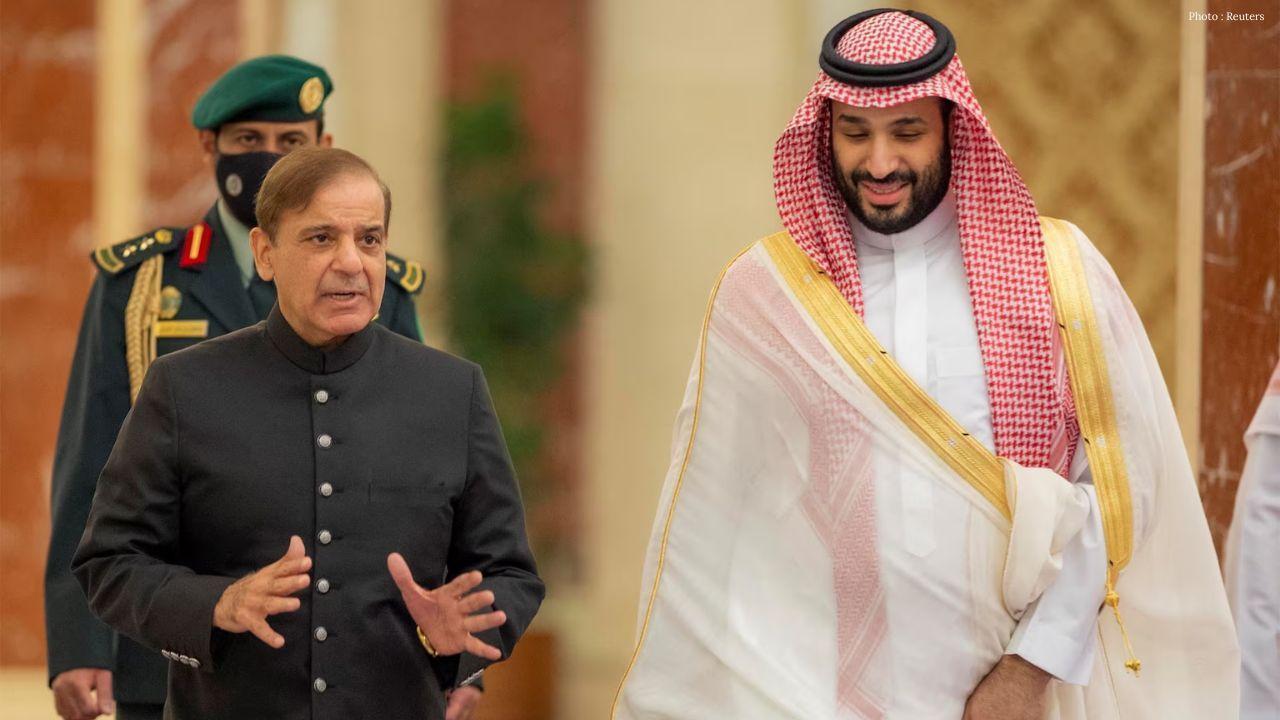
Pakistan's role is pivotal, serving as a diplomatic link between the two sides. By facilitating these talks, Pakistan aims to foster regional peace and stability.
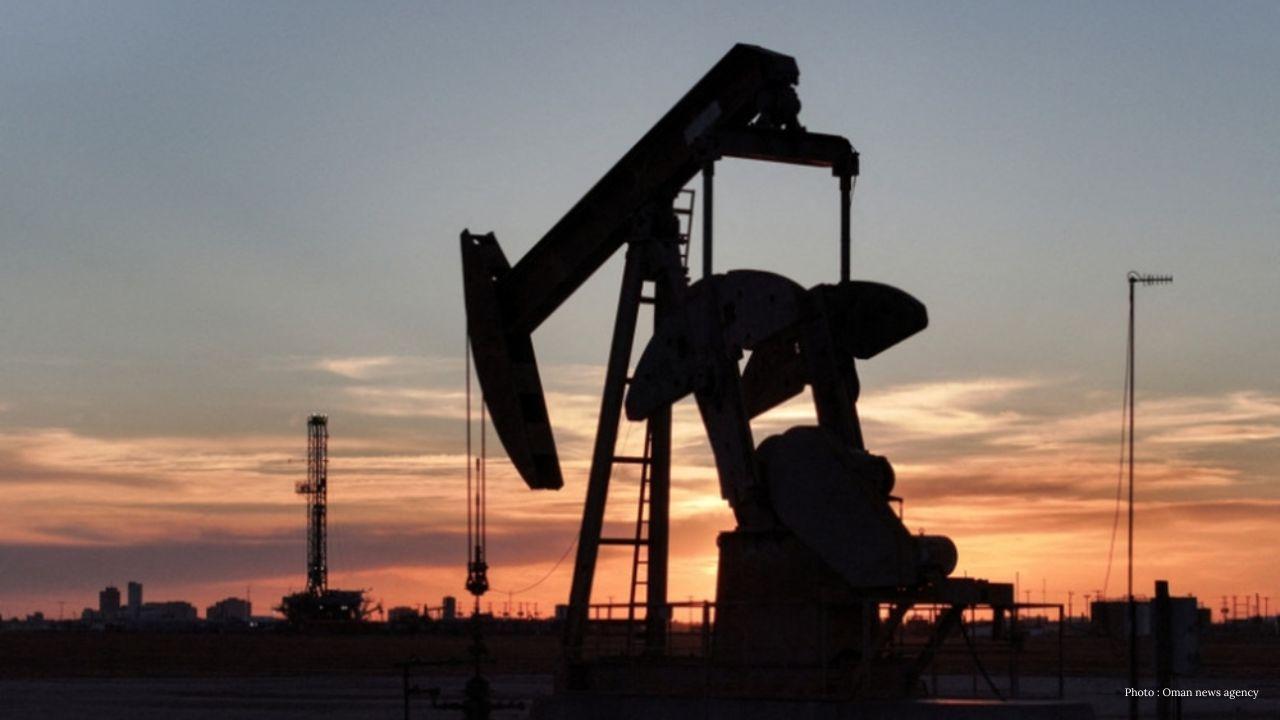
The geopolitical consequences are significant, particularly regarding the Strait of Hormuz, a vital passage for global oil shipments. Disruption here could send ripples through global energy markets, highlighting the global stakes tied to these talks.
For those residing in conflict-affected regions, the consequences are dire. An escalation could result in loss of lives, destruction of infrastructure, and economic distress. Many are placing their hopes on the Islamabad talks to ease tensions and pave the way for a sustainable peace.
Experts suggest that any potential success hinges on compromises from both nations. Flexibility will be essential to reach an accord prior to the ceasefire expiration. The impending days will be critical for the future efficacy of diplomacy in this complex landscape.
As the deadline looms, all eyes are on Iran's decision to join the discussions and the possibility of finding a mutual understanding that could impact regional and global dynamics.


 English