Post by : Sami
Al-Rahmani
US Military Action Against Iranian Tanker Escalates Tensions
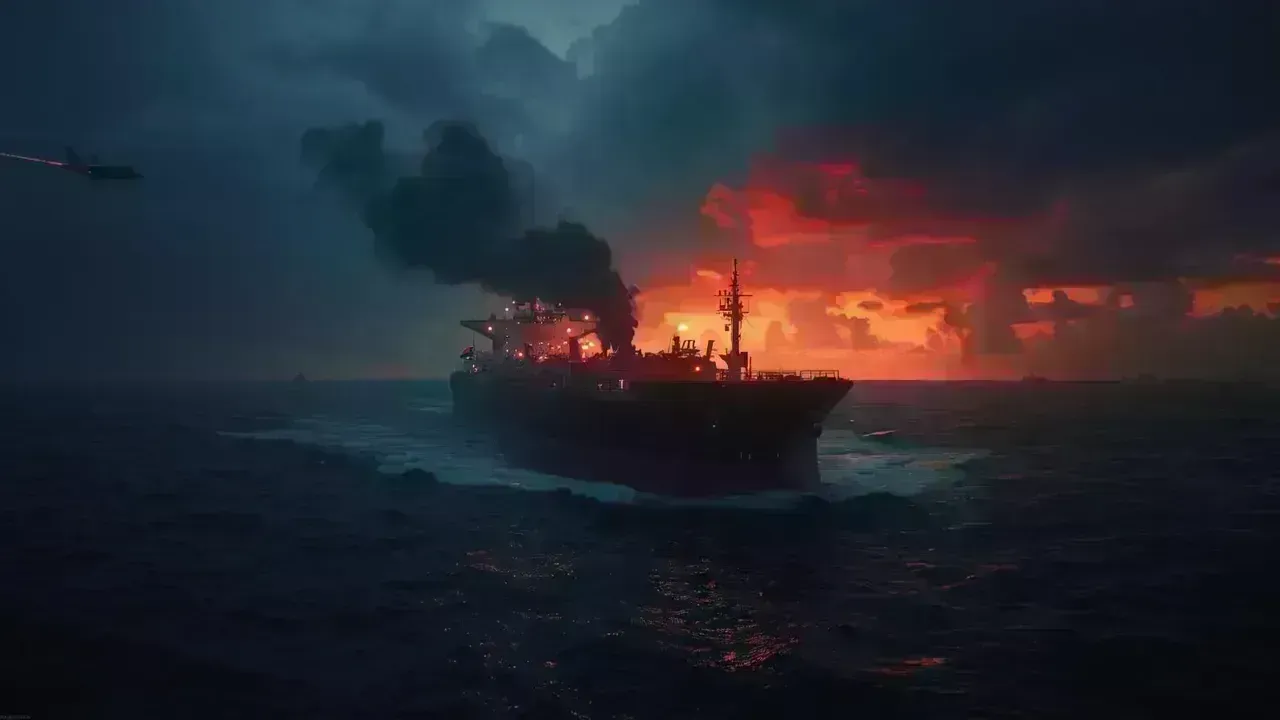
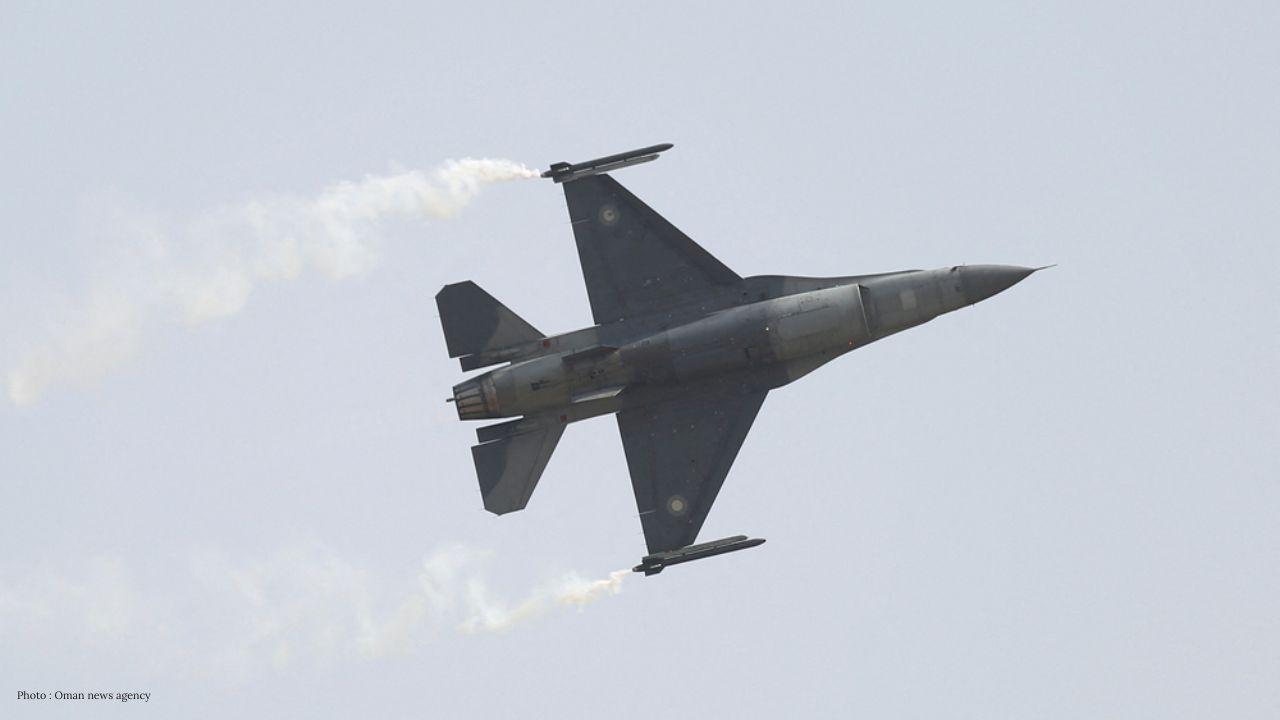
The situation in the Middle East has intensified following reports that the United States took military action against an Iranian oil tanker amid heightened pressure for Iran to consider a new peace agreement regarding the ongoing conflict in the region. This comes alongside a serious warning from US President Donald Trump, who insists that a refusal to accept the deal could lead to escalated military responses.
This incident has thrown more uncertainty into an already delicate situation concerning the Strait of Hormuz, global oil transportation, and ongoing negotiations between Tehran and Washington. World leaders and market analysts are attentively observing the developments, with fears of a broader regional conflict in the air.
Details on the Iranian Tanker Incident
Reports suggest that US forces intervened against an Iranian-linked tanker that allegedly attempted to breach a US-enforced maritime blockade linked to Iran. Prior to the military action, the vessel reportedly ignored several warnings.
The tanker was operating in close proximity to the Strait of Hormuz, a vital maritime corridor for oil shipping that has seen rising military tensions and restrictions on navigation in recent times.
US officials characterized this military response as a significant part of broader efforts to exert economic and military pressure on Iran amidst ongoing diplomatic efforts.
Trump's Warning to Iran
In light of the tanker incident, President Trump issued a pointed message to Iran, indicating that it must accept the proposed terms, or it may face stronger military measures.
Trump noted that agreeing to the proposed deal could lessen military pressure and facilitate the reopening of maritime routes, while rejecting it might result in unprecedented bombing campaigns.
This latest warning underscores the escalating frustration in Washington over stalled negotiations and persisting instability in the region. Trump contends that the conflict could swiftly resolve if Iran agrees to US-supported security and nuclear concerns.
Importance of the Strait of Hormuz
A significant part of current tensions revolves around the Strait of Hormuz, a narrow but essential shipping lane crucial for international oil supply.
Instabilities in this area can lead to widespread impacts, including:
Fluctuations in global oil prices
Disruptions to international shipping
Impacts on global energy markets
Interference with supply chains across Asia, Europe, and the Middle East
Recent military engagements and restrictions have already caused instability within energy markets, prompting investors to closely monitor any new information out of the region.
Continued Diplomatic Efforts Amid Rising Tensions
Despite this latest conflict, diplomatic channels remain open. Iran is currently analyzing portions of a US-backed proposal aimed at alleviating tensions and moving forward with negotiations concerning sanctions, security, and maritime access.
However, significant disagreements persist, particularly regarding Iran’s nuclear program, regional influence, and military actions.
Experts suggest that the situation remains fluid, with both diplomatic efforts and military pressures occurring simultaneously.
Global Concerns About Extending Conflict
The recent escalation has raised alarm among global powers and oil-dependent countries.
A prolonged conflict involving Iran and the Strait of Hormuz could potentially:
Drive global fuel prices higher
Interrupt oil exports
Disturb international trade routes
Heighten geopolitical instability
Countries are reportedly advocating for restraint while quietly pursuing diplomatic discussions.
Conclusion
The targeting of the Iranian tanker and President Trump’s warning signal a notable escalation in a tense standoff in the region.
While diplomatic negotiations are technically ongoing, the combined pressures of military engagement, maritime incidents, and political threats have introduced significant uncertainty across the Middle East and global energy sectors.
Future developments may hinge on the responses of both parties in the forthcoming days.
Disclaimer
This report is based on publicly available information and developments that are ongoing. Details may evolve as new official statements and verified facts emerge.


 English