Post by : Shweta
The United States military has executed new "self-defense" operations targeting sites in southern Iran, as reported by U.S. Central Command (CENTCOM). These strikes focused on Iranian missile installations and vessels that were allegedly laying naval mines close to the vital Strait of Hormuz, a critical channel for global oil transport.
According to CENTCOM, these military actions were taken to ensure the safety of American forces and their operations in the region, which officials noted are currently within a tenuous ceasefire framework. Navy Captain Tim Hawkins, speaking for CENTCOM, emphasized the need for U.S. forces to "continue to protect our personnel while exercising restraint in this fragile situation."
Reports described explosions throughout southern Iran, particularly near cities such as Bandar Abbas, Sirik, and Jask. Iranian media confirmed the military activity while condemning the strikes as a breach of international law, claiming they jeopardized ongoing diplomatic negotiations.
U.S. officials stated that the operation was initiated after surveillance noted Iranian Revolutionary Guard boats deploying mines in strategic Gulf waterways. Military leaders expressed concerns that these mines could endanger international shipping and naval operations transiting through the Strait of Hormuz, which is crucial for a significant portion of global oil exports.
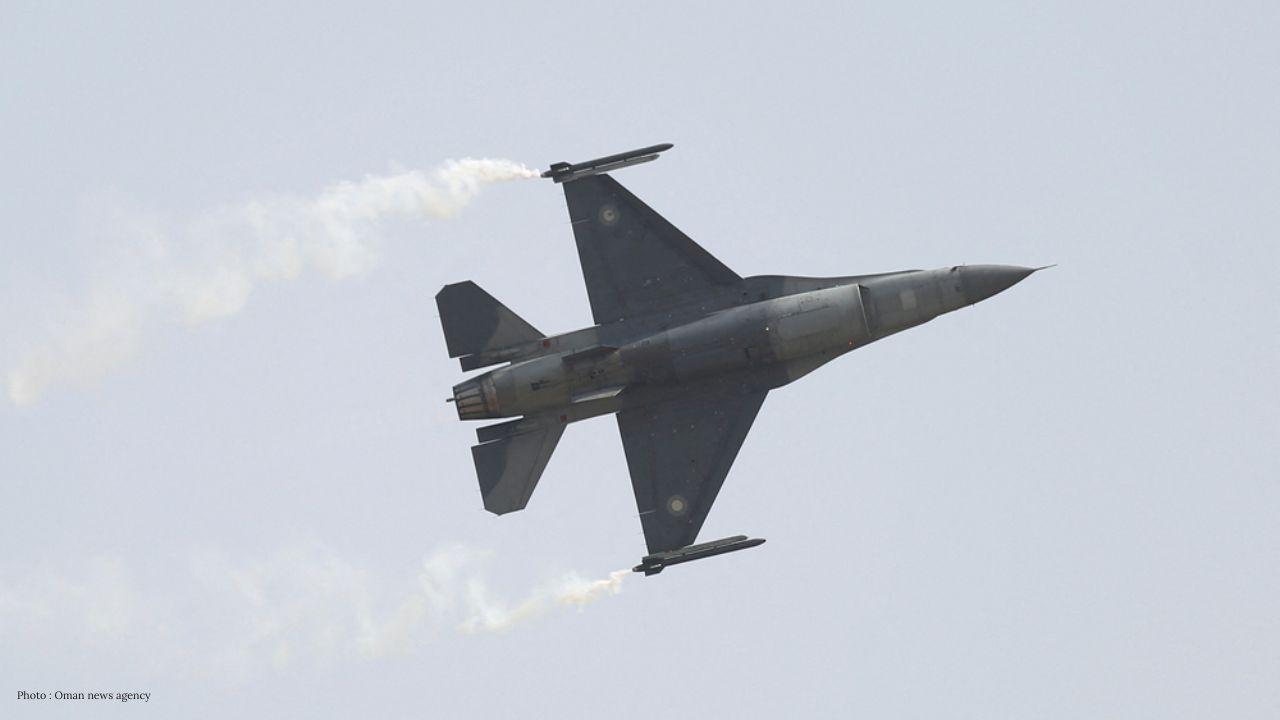
Furthermore, the strikes also targeted a surface-to-air missile location near Bandar Abbas that posed a potential threat to U.S. aircraft in the area. U.S. officials characterized this military action as specific and defensive, denying any intentions of escalating into broader warfare.
These military actions occurred concurrently with indirect talks between the U.S. and Iran in Doha, Qatar. Diplomats from both nations are currently engaged in discussions regarding issues such as sanctions relief, Iran’s nuclear program, reopening the Strait of Hormuz, and various regional security matters. In spite of the recent strikes, U.S. Secretary of State Marco Rubio reaffirmed that diplomacy is ongoing, and negotiations remain intact.
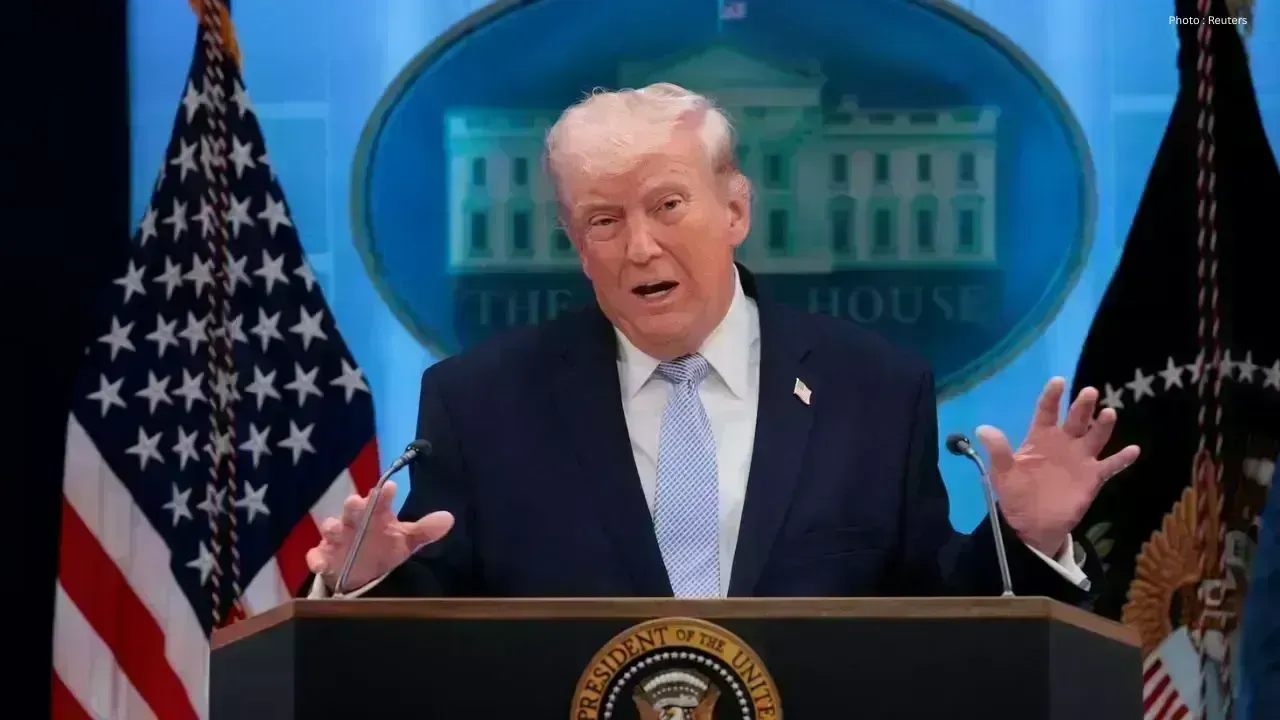
President Donald Trump commented on these developments, reiterating demands for Iran to either surrender or destroy its highly enriched uranium stockpile under global oversight. He underscored the need for any future peace deal to be "strong and complete" while advocating for enhanced regional cooperation through the Abraham Accords.
Iranian officials condemned the strikes, marking them as hostile actions during sensitive negotiations. They warned that continued military operations could erode trust and exacerbate instability in the Middle East. Iranian military sources claimed they had responded to U.S. military movements in the Gulf, although specific details were not disclosed.
This escalation arrives after months of friction involving Iran, the U.S., and Israel. A ceasefire has technically been in place since April, yet ongoing drone incidents, naval clashes, missile launches, and regional tensions threaten to disturb the fragile peace.
Global energy markets are responding cautiously to these recent strikes as concerns grow over disruptions to oil transport through the Strait of Hormuz. Analysts have warned that heightened tensions in the Gulf could have significant implications for oil prices, international shipping, and global trade routes.
Military analysts assert that the situation remains precarious despite ongoing diplomatic dialogues. While U.S. officials maintain that the strikes were defensive and limited, there are concerns that repeated military engagement during peace talks could hinder ceasefire efforts and heighten the risk of broader conflict in the region.


 English