Post by : Bianca
Haleem
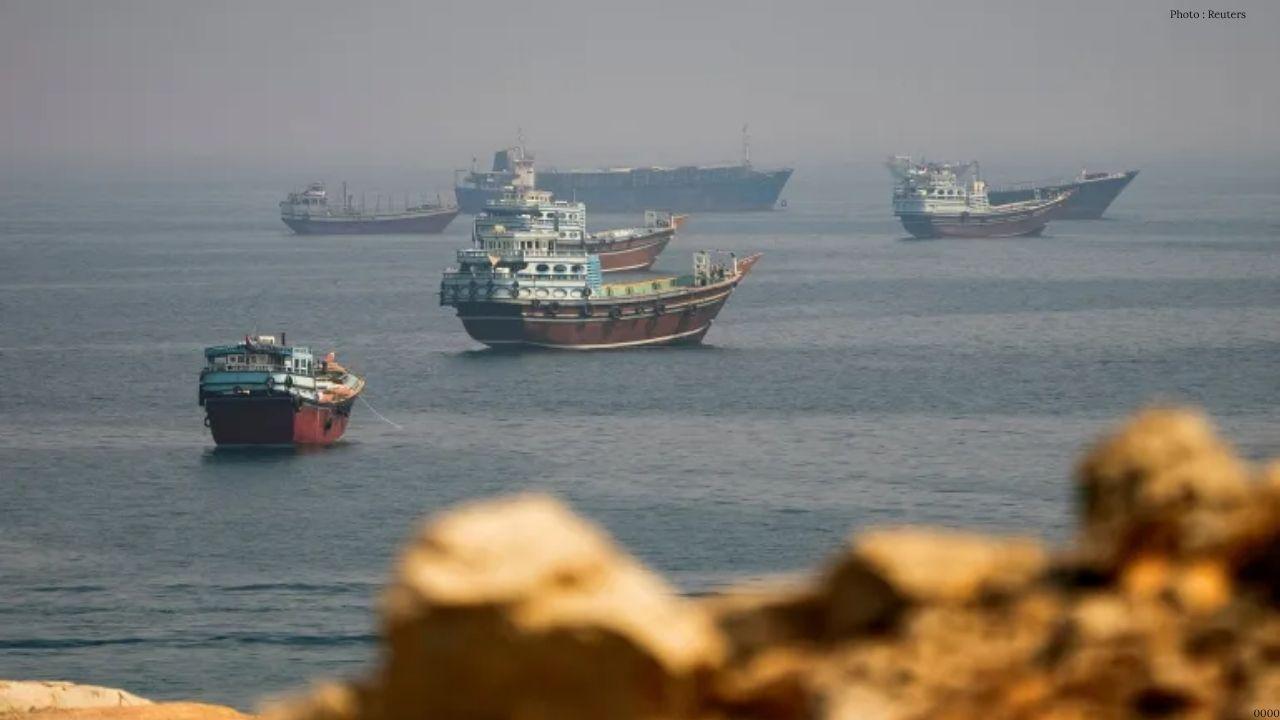
Recent US sanctions, effective Friday, have dramatically altered the landscape of global oil movement, endangering around 48 million barrels of Russian crude at sea. Tankers transporting Rosneft and Lukoil cargoes are now dispersed across various oceans, many lacking confirmed destinations as buyers scramble to comply with the new regulations.
These sanctions represent Washington's most aggressive strategy yet to restrict Moscow's wartime funding, already beginning to reform trade routes. Asian refiners, mainly in India, are racing to find different sources, leading to a significant increase in demand for Middle Eastern oils. Consequently, freight rates on critical routes have surged to levels not seen in nearly five years, underscoring the urgent pace of trend re-establishment.
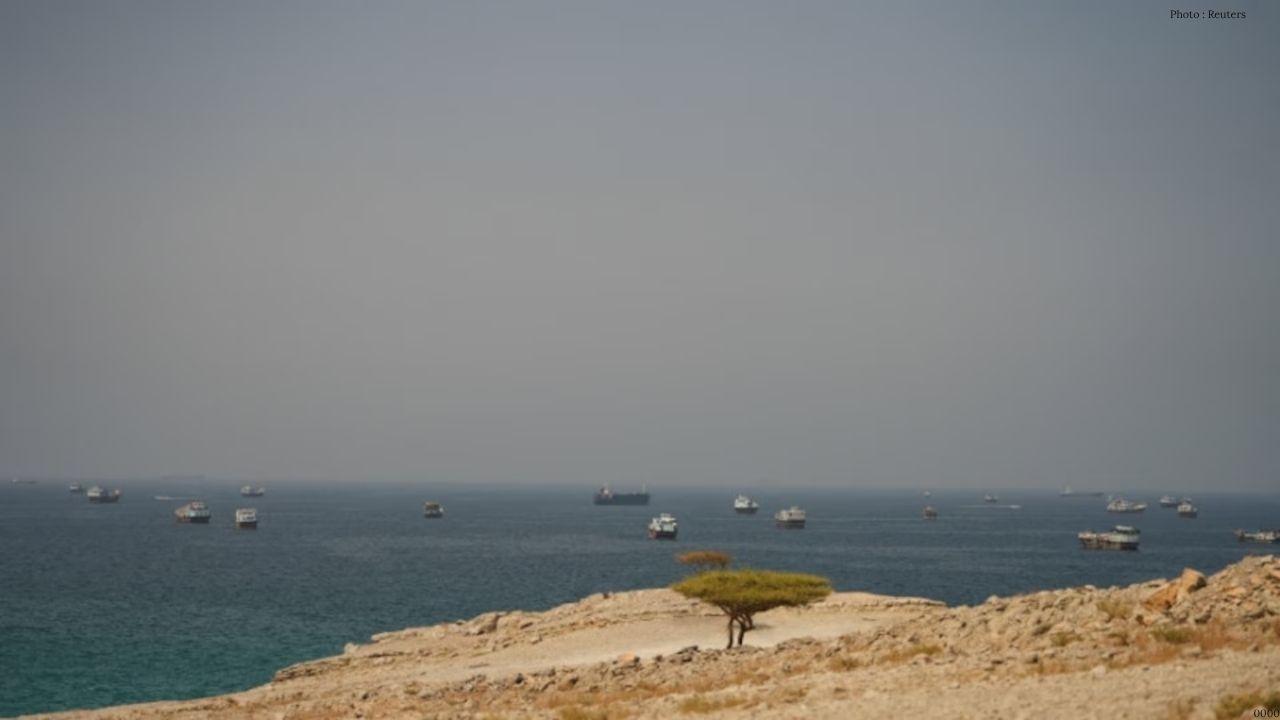
According to data from Kpler, millions of barrels of Russian Urals and ESPO types are currently in transit or at loading docks, with around 50 tankers initially directed towards China and India now faced with numerous rerouting scenarios. The vessels, ranging from the Baltic to the South China Sea, highlight the extensive scale of this disruption.
Despite this, Russia is maintaining a steady export of about 3.4 million barrels per day, adamant about dispelling any notion of decline. Global oil prices have remained relatively stable, indicating that traders are anticipating market adjustments, even as short-term instability becomes apparent.
However, major buyers such as China and India are treading cautiously. These nations, which have absorbed most of the discounted Russian oil since 2022, are now facing heightened risks of secondary sanctions impacting banks, insurers, and logistics partners. Consequently, refiners are scrutinizing incoming shipments more closely, introducing a wave of uncertainty around cargoes already en route.
Several tankers that altered their routes recently are now headed back to India. The Spirit 2, carrying some 730,000 barrels of Urals, made a detour near the Suez Canal earlier this month before redirecting to India. Similarly, the Furia, also transporting around 730,000 barrels, switched from its Baltic route in late October but has now set course towards India.
Others illustrate how swiftly trade dynamics are shifting. The Cindy, loaded with nearly 770,000 barrels of ESPO crude from Kozmino, is now navigating towards waters near Singapore and Malaysia, areas recognized for ship-to-ship transfers that obscure oil origins. In another case, the Fortis, which was initially heading to China, has diverted to Yeosu, South Korea, after conducting a mid-journey transfer near India.
The upcoming days will reveal how much of Russia's stranded crude will ultimately find buyers. Currently, the oil market is in flux, with buyers acting quickly, sellers adjusting their strategies, and numerous tankers caught amid shifting political and commercial landscapes.


 English