Post by : Bianca
Haleem
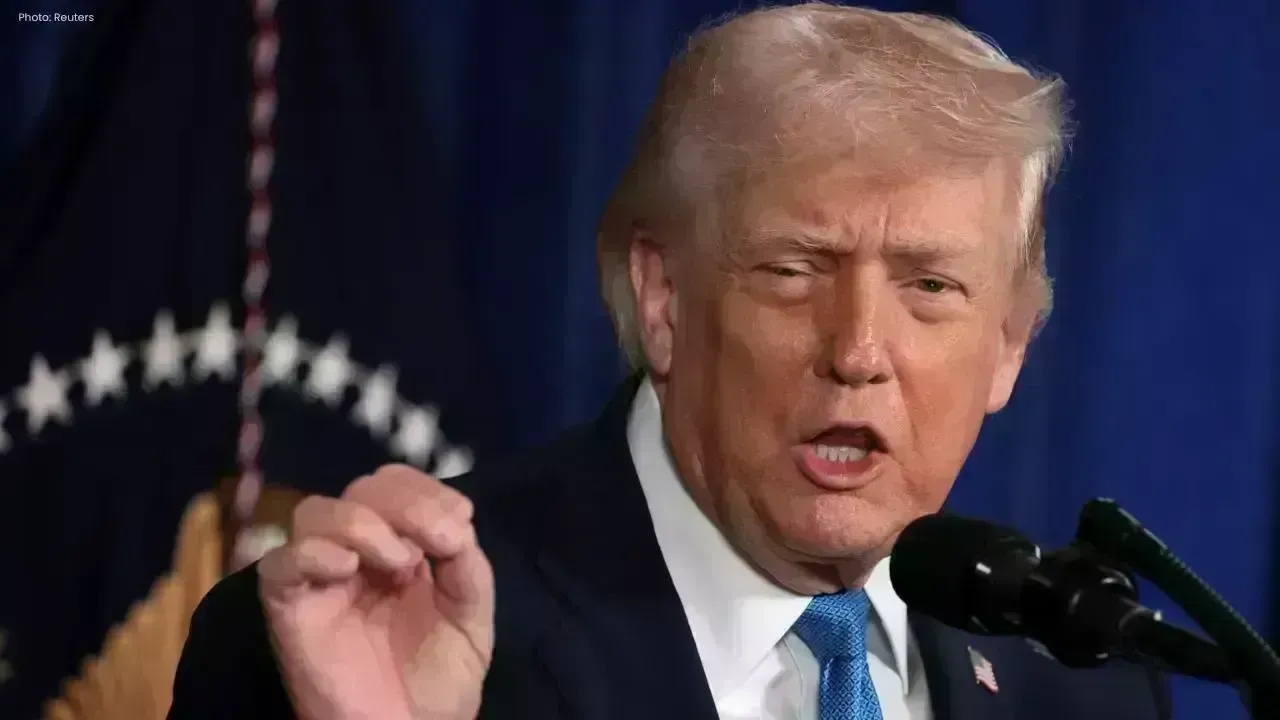
In a pivotal moment, the US Senate approved a resolution on Tuesday urging President Donald Trump to cease military operations in Iran. The resolution garnered a narrow 50-48 vote, challenging the Republican president's management of this conflict.
This legislative action underscores a rising apprehension among lawmakers regarding military engagement related to Iran. While the majority of Democrats supported the measure, it also saw participation from four Republican senators, highlighting an unusual bipartisan stance against the administration. Notably, two Republican senators abstained from voting.
A Landmark Decision by Congress
This vote is notably the first instance where both chambers of Congress have passed a directive for a president to retract US forces from combat under the 1973 War Powers Resolution.
Earlier, the House of Representatives also advanced this measure, voting 215-208 with the endorsement of four Republicans aligning with Democrats.
Understanding the Resolution's Implications
Enacted to restrict presidential power in conflict engagements without legislative approval, the War Powers Act underpins this resolution's intent to reaffirm Congress's constitutional prerogative in military judgments.
Despite its significance, immediate change in US policy toward Iran is unlikely. Given the War Powers Act's procedures, President Trump's signature is not necessary for the resolution to remain in effect.
White House Rejects Congressional Initiative
The White House maintains that the resolution lacks constitutional standing, deeming it non-binding upon the administration. Officials suggest that there won't be a policy shift resulting from the Senate's decision.
Legal scholars note this issue may wind up in court. Questions linger regarding Congressional authority to compel the administration to cease military actions through such resolutions and who may legally contest any non-compliance.
Indeterminate Effects on US-Iran Relations
The Senate's action coincides with ongoing diplomatic initiatives from the Trump administration to secure a peace deal with Iran. It remains uncertain whether this Congressional move will affect negotiations or military strategies.
Though primarily symbolic, this vote represents a formidable challenge to President Trump's foreign policy stance, reigniting discussions about the power dynamics between Congress and the executive branch concerning military and foreign policy decisions.
While the administration claims the resolution is not legally binding, the overall effects remain to be seen. The vote indicates escalating concern among lawmakers regarding US involvement in the Iranian conflict and may pave the way for legal and political disputes in the near future.


 English