Post by : Raina
Al-Fahim
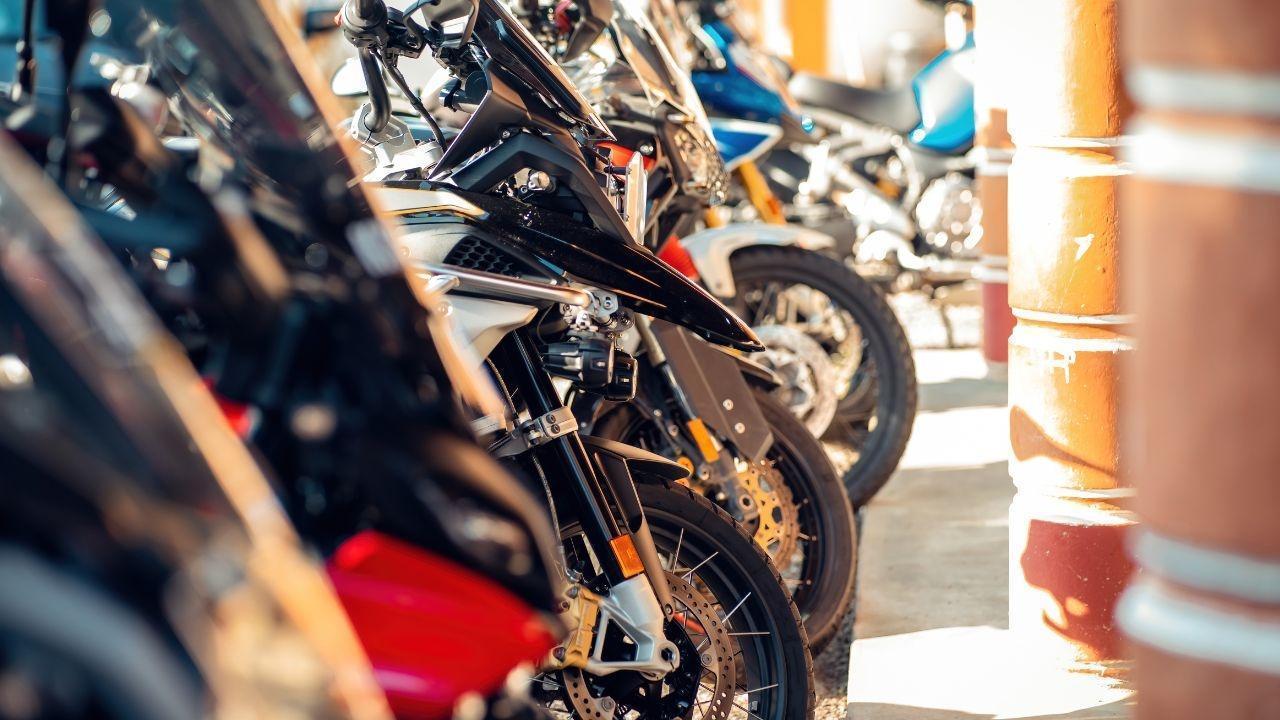
In a striking shift towards social transformation, more women are navigating the streets of Tehran on motorbikes and scooters, defying entrenched cultural beliefs and conservative limitations. Historically, certain clerics and hard-liners equated women riding motorcycles with "tabarruj" — a perceived show of beauty deemed unacceptable under strict interpretations of Islam.
Merat Behnam, aged 38, has recently taken to commuting on her vibrant yellow scooter to her downtown café. While she initially worried about traffic and urban congestion, it was the judgmental stares and possible verbal confrontations that caused her the most anxiety. Nevertheless, she reports a warm acceptance from fellow residents in Tehran.
“It was a significant step for me,” Behnam shared. “In the beginning, I felt stressed, but over time, the positive reactions I received motivated me greatly.”
Legal and Cultural Challenges
Until recently, Iranian traffic regulations explicitly limited motorcycle licenses to men, underscoring a gendered interpretation of the Farsi language. Although women have been permitted to obtain car licenses and pursue careers since the 1979 Islamic Revolution, riding motorbikes has long been considered taboo.
Conservative religious leaders argue that women on motorcycles cannot maintain proper modesty, as both hands are needed for control, inevitably leading to exposure to the wind. Policymakers like Mohammad Seraj stress the importance of “appropriate covering” for women while riding.
A Rising Movement
The streets of Tehran, which are congested with over 4 million vehicles and an equal number of motorcycles, have made two-wheeled travel a practical solution. Following the protest movements of 2022 and a notable rise in women opting to remove the hijab, a growing number of Iranian women are rejecting tradition to ride motorbikes for easier navigation through heavy traffic and to avoid high congestion fees.
Though still a minority, the sight of women riders is becoming more common, symbolizing both personal freedom and a gradual social evolution. Reformist advocates are pushing for changes to licensing laws, supporting the notion that allowing women to ride motorcycles signifies a movement towards equal participation and freedom in urban settings.
Shifting Attitudes
For Behnam, using her scooter has also fostered positive encounters with law enforcement. Traffic officials have tended to offer practical advice instead of punitive measures, suggesting a potential shift in attitudes regarding women riders.
“There’s no political agenda here,” Behnam stated. “It’s about commuting efficiently. However, it also sends a larger message of autonomy and choice for women in Iran.”
This growing trend of women adopting motorbikes underscores the ongoing tension between tradition and modernity in Tehran, illustrating a society that is progressively reshaping women's roles in public life.


 English