Post by : Anis
Al-Rashid
Examining Increasing Heatwaves
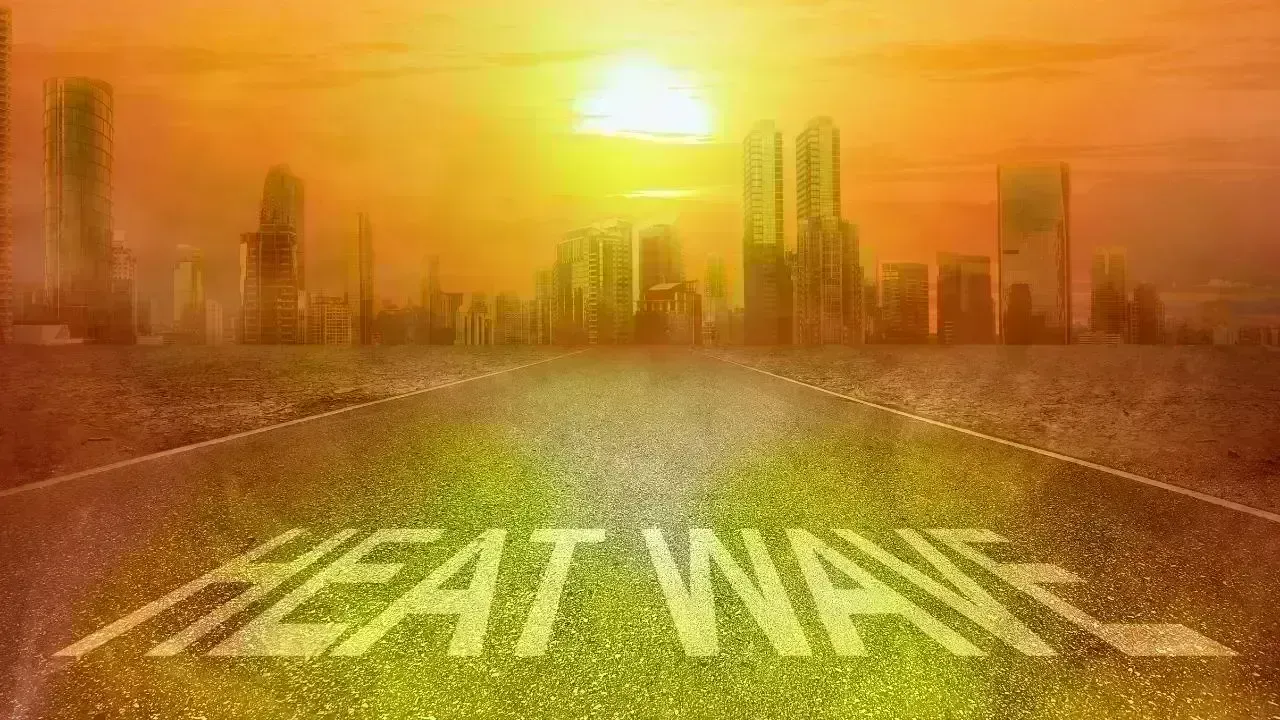
Heatwaves are characterized by severe temperature spikes that persist beyond typical seasonal trends. Recently, heightened occurrences of such intense heat have been noted across both Europe and North America. These climatic upheavals are not merely brief weather phenomena but are symptomatic of larger shifts in climate patterns driven by anthropogenic factors affecting atmospheric and oceanic systems.
Predictions indicate that the year 2026 could become one of the warmest on record, heightening concerns about escalating heat events. The implications of these trends are significant, impacting public health, agricultural productivity, energy infrastructures, and natural ecosystems. Such extreme temperatures pose severe threats, especially to at-risk groups.
Geographical Heatwave Trends
Heatwaves in Europe
Various regions in Europe have recently shattered temperature records. Countries in southern and western Europe, including Spain, Portugal, Italy, and France, have faced multiple heatwave alerts, with temperatures soaring above 40 degrees Celsius during summer peaks. In response, health advisories have been issued, schools closed on extremely hot days, and emergency measures activated to safeguard both locals and tourists.
In many areas, heatwaves correlate with severe droughts, escalated wildfire hazards, and strained water and energy systems. Whether in urban or coastal locations, citizens are grappling with excessive heat, even during nighttime hours.
Heatwaves in North America
North America is no stranger to extreme heat either. Although winter forecasts for 2025-2026 may suggest cooler weather, historical trends reveal that the summer months regularly reach elevated temperatures, primarily affecting areas in the western and central U.S. and southern Canada, burdening health and emergency services.
In the U.S., past heatwaves have resulted in spikes in hospital admissions, challenges to infrastructure, and increased mortality rates due to heat-related issues. Urban environments often amplify heat effects, while rural regions with inadequate cooling solutions are also at risk.
The Causes Behind Heatwave Intensification
Evidence strongly suggests that global temperatures are on the rise, with the year 2026 expected to be distinctly warmer than pre-industrial averages. This upward trend indicates that heatwaves are likely to grow in intensity and duration.
High-pressure systems, often labeled as heat domes, trap hot air over expansive areas, inhibiting cooling gusts and setting the context for extended heat spells. Such atmospheric phenomena were notably responsible for extreme summer temperatures across several European regions in recent years.
The increase in greenhouse gas emissions due to human activity has been pivotal in elevating average temperatures, making extreme heat occurrences more frequent. These shifts disturb traditional seasonal climates, amplifying the chances of surpassing historic temperature records.
Health and Safety Dangers
Experiencing a heatwave significantly impacts health and safety, especially with sustained exposure to elevated temperatures.
Heat-Related Illnesses
When the human body struggles to cool itself, individuals may experience heat exhaustion or more severe conditions like heat stroke. Symptoms can include heavy perspiration, weakness, disorientation, dizziness, nausea, and in extreme cases, loss of consciousness requiring immediate medical intervention.
Cardiovascular and Respiratory Stress
High temperatures can aggravate respiratory illnesses while putting additional pressure on the cardiovascular system. Those with pre-existing heart or lung issues, seniors, and children face a heightened risk.
Infrastructure and System Challenges
Extreme heat increases the demand on electrical grids, particularly with air conditioning use, which can lead to power outages. Roadways and rail systems might suffer structural damage, and water delivery methods can be strained under peak demand. The healthcare sector faces mounting pressures from rising patient numbers during heatwaves.
Government and Community Initiatives
Officials in both Europe and North America have established frameworks to effectively manage heatwave responses, which encompass:
-
Heat advisory systems to inform residents of serious health risks
-
Cooling centers providing space for individuals lacking air conditioning
-
Public health campaigns promoting hydration, shade use, and minimized outdoor activities
-
Emergency medical preparations for increased heat-related cases
Authorities also focus their efforts on protecting vulnerable populations, including the elderly, children, and individuals with chronic conditions, as they are more susceptible during long heat spells.
Government bodies coordinate through health and meteorological departments to release alerts about incoming heatwaves, allowing communities to take proactive measures.
Safety Measures During High Heat
During extreme heat events, individuals should consider the following precautions:
Stay Hydrated
It's vital to consume plenty of water. Steering clear of alcohol and caffeine can help preserve hydration.
Avoid Peak Sun Hours
During the hottest times of the day, typically between midday and late afternoon, remaining indoors in shaded or air-conditioned spaces lessens heat stress risks.
Appropriate Clothing Choices
It’s best to wear light, loosely fitted, and light-colored clothing to reflect heat and facilitate air movement. Hats, sunglasses, and sunscreen can provide extra protection against heat effects.
Cooling Strategies
Cool showers, damp towels, and shaded or air-conditioned areas are effective for maintaining a normal body temperature. Relying solely on portable fans may not prevent heat-related illnesses.
Check on Others
Community engagement saves lives. Ensure family members and neighbors, particularly those who are elderly or have mobility limitations, remain hydrated and safe.
Impact on Travel and Tourism
Heatwaves can affect travel and tourism plans. In areas facing extreme heat alerts, local governments may advise against unnecessary travel, encourage adjustments to outdoor schedules, or temporarily close popular sites during peak heat periods.
Countries in Europe, like Spain, Portugal, and Italy, have issued travel warnings due to heat, implementing additional safety measures, such as cooling stations and emergency medical stations to assist during high temperatures.
While traveling in warm conditions remains feasible, being informed about local climates and scheduling activities during cooler periods enhances safety and comfort.
Long-Term Perspective on Climate Trends
Heatwaves extend beyond immediate weather phenomena; they reflect a persistent climate evolution fueled by long-term temperature increases. Scientists are monitoring ascending baseline temperatures and atmospheric behaviors to assess the influence of climate change on the frequency and intensity of heat extremes.
Projections indicate that global temperatures will likely continue exceeding historical norms, leading to more frequent and severe heatwaves. This highlights the crucial need for long-term adaptation strategies, from urban planning that promotes greenery to building designs that enhance natural ventilation and structures capable of enduring elevated temperature extremes.
Disclaimer
This content is intended for informational purposes only and is not a substitute for medical or emergency advice. Readers should consult local health authorities and meteorological services for real-time updates and specific protective strategies.


 English