Post by : Mikhael
Al-Saeed
8 Essential Panjiri Recipes for a Cozy Winter Delight
As winter arrives, our bodies call for extra warmth and nourishment. During this chilly season, many Indian households turn to a cherished treat—panjiri. More than just a delightful snack, it embodies warmth, family affection, and timeless traditions passed down through generations.
Crafted from natural ingredients like desi ghee, grains, nuts, seeds, and natural sweeteners, panjiri is ideal for keeping energy levels steady and the body warm. Its dry nature allows it to be stored for weeks, enabling daily consumption in small servings. Here, we present 8 essential panjiri recipes for your winter cravings, highlighting their health advantages and enduring significance.
Understanding Panjiri and Its Significance in Winter
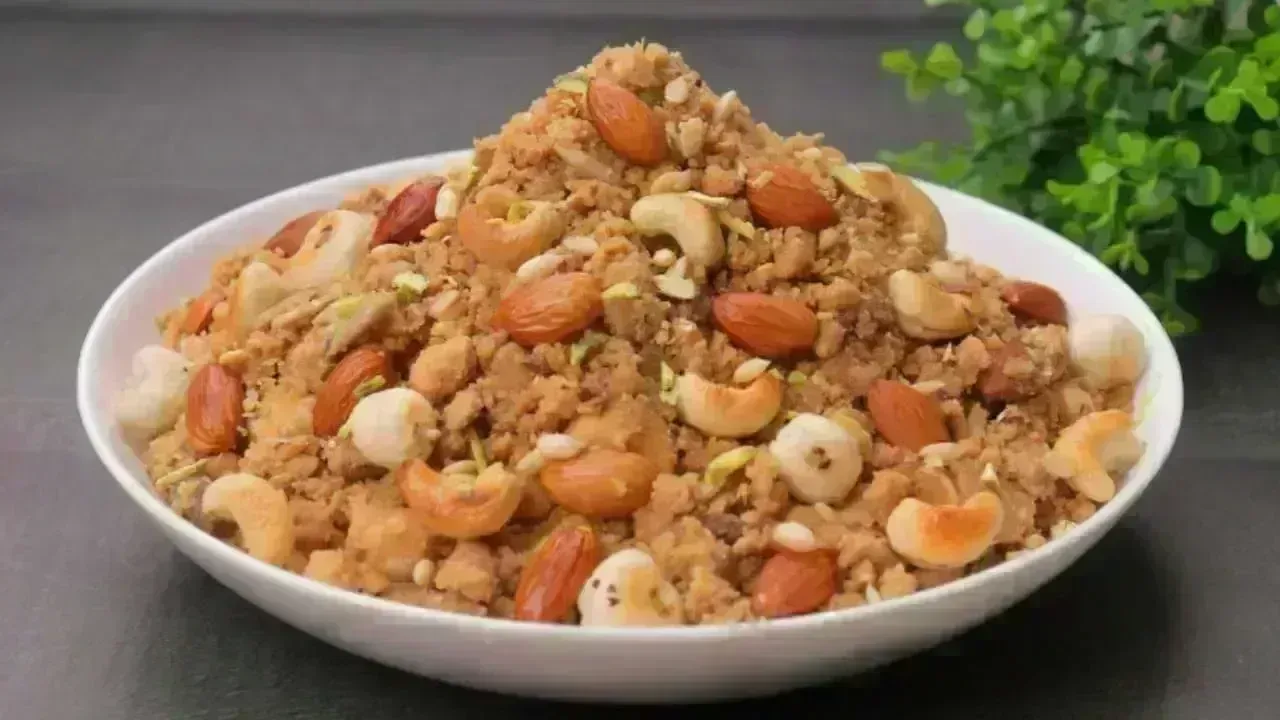
Panjiri is a beloved Indian sweet, created by slowly roasting flour or grains in pure ghee. It is then combined with nuts, seeds, and a sweetener like jaggery or sugar. Because it’s water-free, panjiri has a long shelf life and is easily stored.
Winter sees our metabolic rate increase, necessitating higher caloric intake to maintain warmth. Panjiri effectively fulfills this requirement by:
-
Providing enduring energy
-
Encouraging improved digestion
-
Enhancing immune function
-
Keeping joints and muscles cozy
Due to these benefits, panjiri has been a staple in Indian homes throughout the winter for centuries.
1. Traditional Atta Panjiri
Atta panjiri stands out as the most widely recognized variety. Whole wheat flour is skillfully roasted in desi ghee until it turns a light golden hue, filling the air with a nutty aroma. Almonds, cashews, raisins, and occasionally edible gum are incorporated, followed by sugar or jaggery powder at the end.
This panjiri is rich in both fiber and healthy fats, making it suitable for individuals of all ages. Many families serve a small portion each morning through winter to support vitality and wellbeing.
2. Gond Panjiri (Edible Gum Variation)
Widely appreciated in North India, gond panjiri features edible gum, or gond, which is fried in ghee until crispy and puffy. This is then blended with roasted flour, nuts, and sweeteners.
Notably beneficial for joints and bones, this type of panjiri is often prepared for postpartum mothers but is equally advantageous for older adults and those needing extra warmth in winter.
3. Nutricious Dry Fruits Panjiri
Packed with nutrition, dry fruits panjiri boasts almonds, walnuts, pistachios, cashews, and dates all lightly roasted in ghee before being mixed with natural sweeteners.
This panjiri is perfect for those in need of concentrated nutrition in small doses, supporting brain function, enhancing skin health, and delivering quick warmth during hectic winter mornings.
4. Besan Panjiri (Gram Flour Delight)
Besan panjiri has a rich, deep color and flavor. Gram flour is roasted in ghee until golden brown, followed by the addition of nuts, seeds, and sugar after slightly cooling.
Heavier than wheat panjiri, it provides prolonged satiety, making it a great choice for physically active individuals or those feeling fatigued during the cold season.
5. Ragi Panjiri
Ragi panjiri serves as a lighter, healthier alternative, made with nutrient-rich finger millet flour.
Suitable for kids, women, and seniors, it provides ample warmth and strength despite its lighter formulation.
6. Makhana Panjiri
Using makhana, or fox nuts, this variation offers a light yet nourishing option. Makhana is roasted in ghee, lightly crushed, and combined with nuts and jaggery powder.
Ideal for those seeking a low-fat winter delicacy, it supports heart health and digestion while fitting into a balanced meal plan.
7. Moong Dal Panjiri
Moong dal panjiri utilizes roasted and powdered yellow moong dal, making it easily digestible and gentle on the stomach.
Often recommended by healthcare professionals for those recuperating from illness, it effectively warms the body without causing heaviness.
8. Herbal Ayurvedic Panjiri
Herbal panjiri incorporates ingredients like dry ginger powder, turmeric, ajwain, and occasionally ashwagandha, known for their healing properties.
This panjiri is beneficial in protecting against colds, coughs, and seasonal illnesses, typically enjoyed in smaller portions during harsher winters.
Proper Storage for Panjiri
To retain panjiri’s freshness and flavor, it’s crucial to store it correctly:
Proper storage safeguards both taste and nutritional value.
The Timeless Relevance of Panjiri
In an age dominated by fast food, panjiri stands as a reminder of wholesome cooking and natural ingredients. With no preservatives, it is made with diligence and love.
Today, in cities and homes worldwide, panjiri continues to strengthen ties to traditional eating practices, especially during the winter months.
Panjiri is not merely a winter treat; it symbolizes love, tradition, and wellbeing. Each kind offers unique benefits, yet all contribute to a warm and healthy winter lifestyle.
From the classic atta to ingenious ragi and makhana variations, these 8 essential panjiri recipes for cozy winter delight offer something for everyone, making it a simple yet effective way to remain vibrant and healthy during the cold months.
Disclaimer
This article serves as general information. The health benefits mentioned are rooted in traditional knowledge and common practices. Individual dietary needs may differ. Consultation with a healthcare provider is recommended before any significant dietary changes, particularly for those with health concerns or allergies.


 English