Post by : Samir
Qureshi
How Ahoi Mata Protects Children: Rituals and Tales
The Ahoi Ashtami Festival is a beloved occasion within Hindu culture, celebrated with immense love and devotion by mothers throughout India. This festival is dedicated to the health, well-being, and longevity of children, symbolizing the profound connection between mothers and their offspring, as well as the strength of faith, sacrifice, and divine blessings.
It occurs on the Ashtami Tithi during the Krishna Paksha in the month of Kartik, typically falling about a week before Diwali. In 2025, it will take place on October 13.
This celebration transcends mere rituals, serving as a spiritual journey that links faith with cosmic favor. Let us delve into the tales of Ahoi Ashtami, its rituals, and the deep spiritual significance behind them.
The Tale of Ahoi Ashtami
The origins of Ahoi Ashtami are rooted in an ancient narrative of love, remorse, and divine mercy. It recounts the plight of a devoted mother who unintentionally harmed a small creature while working at home or in the fields. Following this incident, tragedy struck her family as she lost her children one by one.
Filled with sorrow yet undeterred, the mother sought forgiveness from the Divine Mother, engaging in penance and dedicating herself to prayer and fasting. She learned of a sacred observance—the Ahoi Ashtami Vrat—which promises the blessings of Ahoi Mata, a manifestation of Goddess Lakshmi, for the protection and prosperity of her children.
By faithfully observing the fast and performing the rituals, her prayers were answered, restoring her children and revitalizing her family. Since then, mothers have adhered to this sacred practice, confident that Ahoi Mata’s blessings will safeguard their children and bring them health, joy, and success.
This tale emphasizes remorse, faith, and the transformative power of belief, teaching that earnest prayers and acts of piety can surmount adversities and provide divine protection.
Rituals of Ahoi Ashtami
The Ahoi Ashtami rituals are performed with meticulous care and devotion, encompassing both spiritual preparation and traditional practices.
Morning Preparations
-
Cleanse and Purify: Early risers bathe for purification and dress in traditional or clean attire.
-
Sankalp (Vow): Mothers vow to fast for the health and longevity of their children.
-
Fasting Commences: Most women follow a nirjala fast, refraining from food and water until the evening rituals.
Drawing or Placing Ahoi Mata’s Image
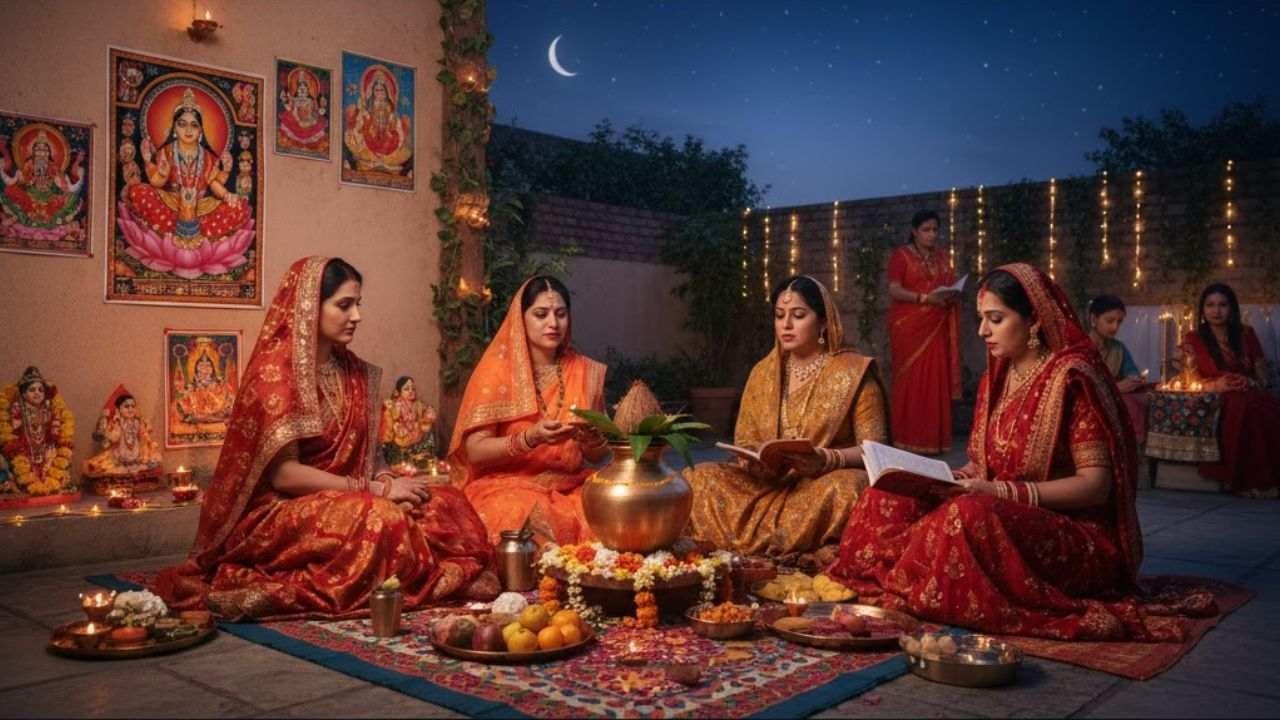
An image of Ahoi Mata is either drawn on a surface using red or ochre powder or displayed via a printed idol or cloth. This imagery typically embodies eight corners (Ashta Koshthak), depicting children and sometimes animals like a lion cub, embodying protection and fertility.
Evening Rituals
-
Mothers illuminate a diya (lamp) and present flowers, rice, roli, and sweets to Ahoi Mata.
-
The Ahoi Ashtami Vrat Katha—the tale of the devoted mother—is recited or narrated during the puja.
-
Prasad is kept aside to share post-fast.
Star Gazing and Breaking the Fast
As the evening stars emerge, devotees offer water and prayers to the celestial bodies and subsequently break their fast. In certain areas, the fast may conclude upon moonrise. This signifies the mother’s link to the divine and the cosmic blessings that envelop her children.
Spiritual Importance of Ahoi Ashtami
The Ahoi Ashtami Festival transcends mere rituals, offering profound spiritual insights.
-
Maternal Devotion and Sacrifice: This fast showcases a mother’s readiness to endure challenges for their children's happiness and well-being.
-
Faith and Devotion: The festival reinforces the significance of heartfelt prayers and steadfast faith in divine protection.
-
Repentance and Karma: The lore illustrates that genuine remorse and virtuous deeds can mitigate past errors and yield positive results.
-
Connection with the Universe: Gazing at the stars embodies alignment with cosmic energies and divine oversight.
-
Family Unity and Prosperity: Through rituals and fasting, families invite tranquility, prosperity, and safeguarding into their lives.
Through these customs, Ahoi Ashtami fortifies the emotional, spiritual, and cultural ties between parents, children, and the divine.
Advantages of Celebrating Ahoi Ashtami
-
Secures children’s welfare, safety, and longevity
-
Enhances family cohesion and prosperity
-
Purifies the mind and spirit through faith and restraint
-
Provides shielding from misfortune and negativity
-
Promotes a deeper spiritual consciousness and tranquility for mothers and their families
This festival beautifully merges devotion, myth, and spiritual development, making it one of the most significant observances in the Hindu calendar.
In Closing
The Ahoi Ashtami Festival is a heartfelt homage to a mother’s love, faith, and devotion, imparting timeless truths about sacrifice, repentance, and divine grace. By observing this holy vrat, mothers convey endless love for their children while invoking blessings for well-being, prosperity, and protection.
Through the tale of Ahoi Mata and the observances of Ahoi Ashtami, devotees are reminded that faith, nurturing devotion, and genuine prayers possess the power to transform lives, fostering harmony, blessings, and joy within the family.
This festival stands as a testament to the unwavering strength of maternal love and the divine guidance safeguarding every child's journey to happiness and success.


 English