Post by : Samir
Qureshi
Ahoi Ashtami 2025 Vrat Katha: A Mother’s Devotion and Divine Grace
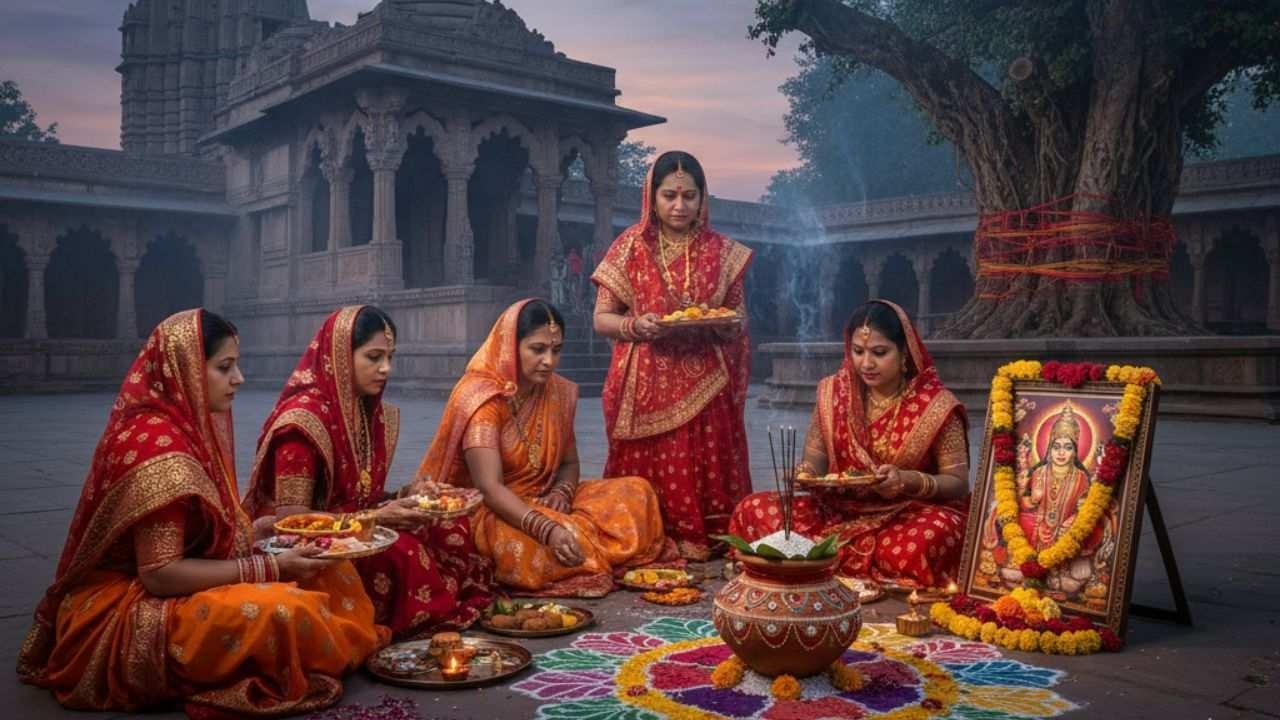
The Ahoi Ashtami festival is a deeply cherished occasion in Hindu tradition, symbolizing the unwavering love, sacrifice, and prayers of mothers seeking well-being for their children. Central to this celebration is the Ahoi Ashtami Vrat Katha, a moving narrative that showcases a mother’s devotion and the grace of Ahoi Mata, a revered aspect of Goddess Lakshmi.
This annual fast is observed with profound faith, reminding families of the indomitable bond of love and selflessness shared between mothers and their offspring.
Importance of Ahoi Ashtami Vrat
The term “Ahoi” stems from the Sanskrit word “Aho”, meaning “to invoke or call upon”. Mothers undertake the Ahoi Ashtami fast to seek Ahoi Mata’s blessings for the health, longevity, and prosperity of their children.
Traditionally, the vrat is celebrated on the Ashtami Tithi (the eighth day) of the Krishna Paksha (waning phase of the moon) in the Kartik month, about eight days prior to Diwali. On this day, women observe a complete fast (nirjala vrat) until they spot the stars or the moon at night, symbolizing their strength and faith for their children's safety.
Yet, the heart of this festival lies in the profound Ahoi Ashtami Katha, which embodies its spiritual significance.
The Ahoi Ashtami Vrat Katha
In an ancient village, there lived a compassionate woman, a loving wife and devoted mother of seven sons. As Diwali approached, she decided to beautify her home and collect soil from the nearby woods to mend her house.
With her tools and a basket in hand, she ventured into the forest to gather clay. During her work, her spade accidentally brought about the death of a little creature – a lion cub (sinh shavak).
Filled with fright and remorse, she hurried home to seek forgiveness. Sadly, misfortune soon befell her family; all seven sons passed away mysteriously over the following year. The couple's despair grew as villagers speculated that her sorrow stemmed from the inadvertent harm caused to the baby animal.
Years went by, burdened by grief. The mother yearned for atonement. Thus, she devoted herself to penance, fasting, praying, and imploring the Divine Mother for mercy.
A Divine Encounter
During a pilgrimage through the woods, the desolate woman met a group of women observing a unique fast in honor of Ahoi Mata. They explained that this fast was meant to bless women with offspring and shield them from harm.
With renewed determination, she chose to participate in the Ahoi Ashtami Vrat. She absorbed their prayers, learned the rituals, and illustrated the sacred image of Ahoi Mata on her wall, featuring seven children and a lion cub as a symbol of her remorse.
Fervently, she prayed for Ahoi Mata’s forgiveness and the restoration of her family's happiness.
The Blessing of Ahoi Mata
Impressed by her genuine devotion, Ahoi Mata appeared to her, radiating divine light, and said,
“Your sincere repentance has freed you from your past karma. You shall be bestowed with the joy you lost.”
Before long, her seven sons returned, vibrant and joyous. Laughter filled her home once more, and she became renowned for her steadfast faith and devotion.
Since that day, mothers across the land have commemorated the Ahoi Ashtami fast in her honor, seeking Ahoi Mata’s blessings for their children’s well-being.
Symbolism and Spiritual Insight
The Ahoi Ashtami Vrat Katha imparts a significant spiritual lesson, transcending its mythological context. It illustrates that even minor careless actions can lead to grave consequences, yet genuine repentance and steadfast devotion can cleanse all transgressions.
Ahoi Mata symbolizes forgiveness, fertility, protection, and compassion. Her blessings are said to safeguard children from adversity and grant them prosperous lives.
For mothers, this vrat is an embodiment of unconditional love—an offering where personal comforts are sacrificed for the happiness of their children.
Observing the Ahoi Ashtami Vrat
-
Early Morning Rituals: Women arise before dawn, purify themselves, and declare their intention (sankalp) to observe the fast for their children’s welfare.
-
Fasting: Most participants engage in a nirjala vrat, refraining from food and water until nightfall.
-
Drawing Ahoi Mata: In the evening, an artistic rendition of Ahoi Mata is created on a wall or printed on fabric. The image features stars, children, and often a lion cub.
-
Puja and Katha: In the course of the Ahoi Ashtami puja, the story of Ahoi Mata is recounted, with prayers offered using roli, rice, water, flowers, and sweets.
-
Star Gazing: After spotting the evening stars, women perform water offerings and prayers before concluding their fast, which in some areas may end after moonrise.
These rituals are believed to generate positive energy, strengthen familial bonds, and invite divine blessings into households.
Spiritually Beneficial Effects of the Ahoi Ashtami Vrat
-
Ensures children’s health, happiness, and longevity
-
Brings peace and prosperity to families
-
Removes the impact of past karmas
-
Enhances faith and discipline
-
Strengthens the spiritual bond between mother and child
The vrat represents not just devotion, but a path of spiritual purification, teaching humility, forgiveness, and the essence of selfless love.
Ahoi Mata’s Blessings: An Everlasting Hope for Mothers
Each year, millions of mothers engage in Ahoi Ashtami with pure intentions, reaffirming their belief that divine grace shields their children. The Vrat Katha serves as a lasting reminder that when love intertwines with devotion, miracles unfold.
Ahoi Mata continues to bless those who pray sincerely, transforming their hopes into realities and their devotion into divine strength.
Disclaimer
The content presented on this website is intended solely for informational and educational purposes. The descriptions around festivals, rituals, and religious practices, including Ahoi Ashtami Vrat and its associated narratives, are derived from traditional beliefs and cultural customs.
Readers are encouraged to consult local religious figures, priests, or family elders for accurate dates, auspicious timings, and ceremonial practices, as these may differ by locality and tradition. This website does not offer medical, legal, or professional advice, and the authors bear no responsibility for any personal or cultural interpretations of the rituals mentioned.


 English