Post by : Bianca
Haleem
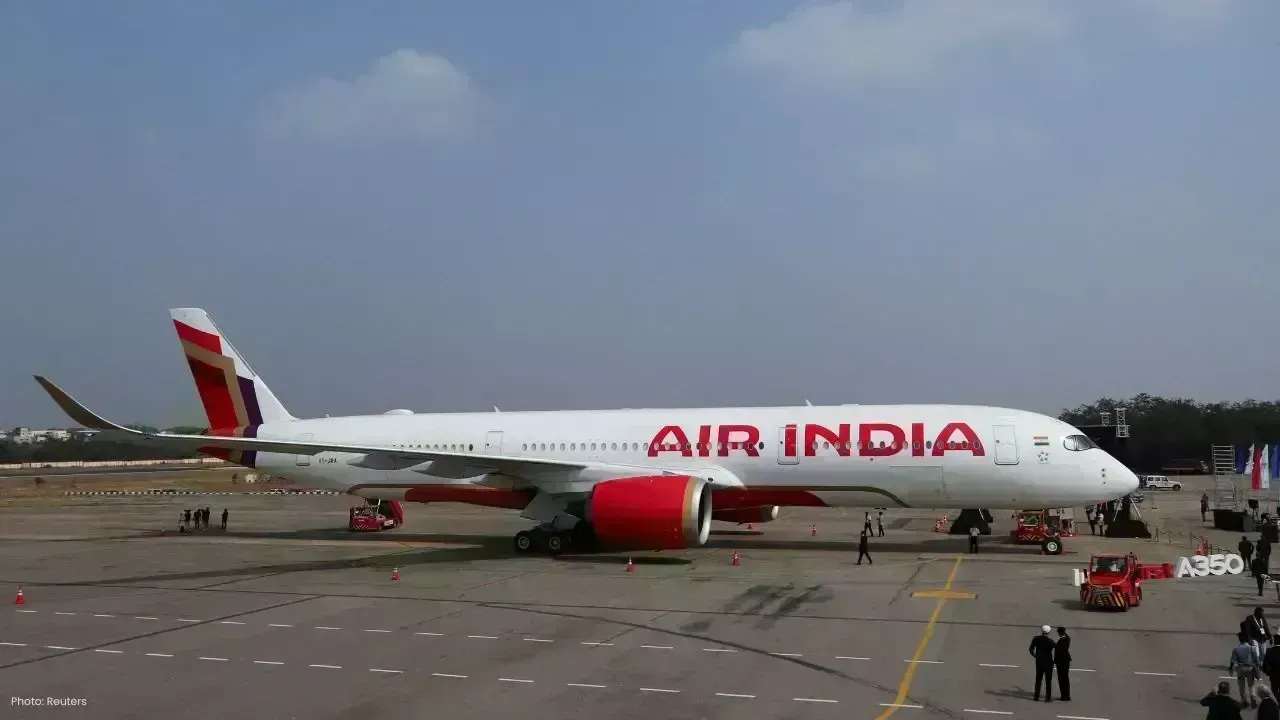
Travel plans for countless UAE residents are set to face significant disruptions as India’s major airlines, Air India and IndiGo, announce cuts to both domestic and international flights. This adjustment comes as jet fuel prices escalate following rising tensions linked to the Iran conflict.
The timing of these reductions coincides with the summer travel season, a peak period for Indian expatriates in the UAE, who typically return home for vacations.
Together, Air India and IndiGo dominate nearly 90% of India's domestic airline market, making these service changes particularly impactful on the UAE-India travel landscape.
Reports indicate that IndiGo has scaled back approximately 7% to 10% of its domestic flights scheduled for June and July. Air India has also announced a reduction of nearly 22% in its domestic flights over the same timeframe.
These operational changes are poised to lead to a scarcity of available seats and a spike in ticket prices along major travel routes during this busy period.
Rising Fuel Costs Amidst Geopolitical Tensions
The aviation sector is grappling with severe financial stress as fuel prices have surged due to the geopolitical tensions in the Middle East.
Jet fuel constitutes a major cost, sometimes making up 40% of airline operating expenses. Consequently, the rise in oil prices has prompted numerous airlines to cut back on certain routes and hike fares.
Air India confirmed that it will temporarily modify its operations on select domestic routes from June to August due to continuing fuel cost increases.
An airline spokesperson revealed that prices for aviation turbine fuel skyrocketed from around Rs 80,000 per kilolitre before the Iran tensions to over Rs 100,000 now.
This increase has been attributed partly to disruptions affecting the Strait of Hormuz, a critical oil passage connecting Gulf nations to international markets.
Impacts on UAE Travelers
UAE travelers who utilize major Indian airports like Delhi and Mumbai for connections may notice the consequences of these flight reductions.
Air India indicated that these diminished international services have led to decreased demand for domestic flights that connect passengers to key hubs.
As a result, travelers departing from Dubai, Abu Dhabi, and Sharjah might find limited connecting flights, leading to longer wait times and increased ticket prices.
Many residents in the UAE also rely on Indian airports for budget-friendly transit options to destinations in North America, Europe, and Asia. The altered international schedules threaten to curtail these travel routes.
Reduced International Services
Air India has already curtailed several international operations through August, including the complete suspension of flights between Delhi and Chicago. The frequency of Delhi to San Francisco connections has also decreased from ten weekly flights to seven.
Additional cuts have been made to services bound for Toronto, Vancouver, Paris, Singapore, Bangkok, and various European and Asian destinations.
Operational Challenges for IndiGo
IndiGo, recognized as India’s largest airline by market share, is similarly confronted with operational strains amidst its ongoing expansion.
Although IndiGo manages over 2,200 daily flights, including international routes, it has already curtailed certain long-distance operations due to congestion at airports and other logistical issues.
These latest reductions illustrate the aviation industry's sensitivity to global fuel shocks, even amidst strong passenger demand and market expansion.
Experts in the field suggest that airlines are now prioritizing profitability and fuel efficiency over rapid growth.
Expectations for Airfares
Market analysts anticipate that ticket prices on Gulf-India routes will remain elevated throughout the summer due to high travel demand and limited seat availability.
This scenario may boost interest in Gulf-based carriers like Emirates, Etihad Airways, and flydubai as passengers seek reliable schedules and non-stop connections.
However, these airlines are also facing rising fuel expenses as a result of ongoing disruptions in energy markets.
Financial Strains on Air India
Air India is also navigating significant financial hurdles, recently reporting annual losses exceeding $2 billion.
In addition to the climbing fuel prices, the airline is affected by Pakistan's prolonged closure of airspace to Indian carriers and the strength of the U.S. dollar.
The airline, which operates under Tata Group and Singapore Airlines, has promised affected passengers alternative travel solutions, complimentary changes to travel dates, or refunds as needed.
Ongoing reviews will dictate operational adjustments based on fuel costs, passenger interest, and the overall economic environment.
Industry analysts caution that further flight reductions could occur if geopolitical tensions in the Middle East continue to disrupt global oil supply chains.
For travelers from the UAE, this uncertainty may persist, influencing flight schedules, fare structures, and seat availability well beyond the summer period.


 English