Post by : Bianca
Haleem
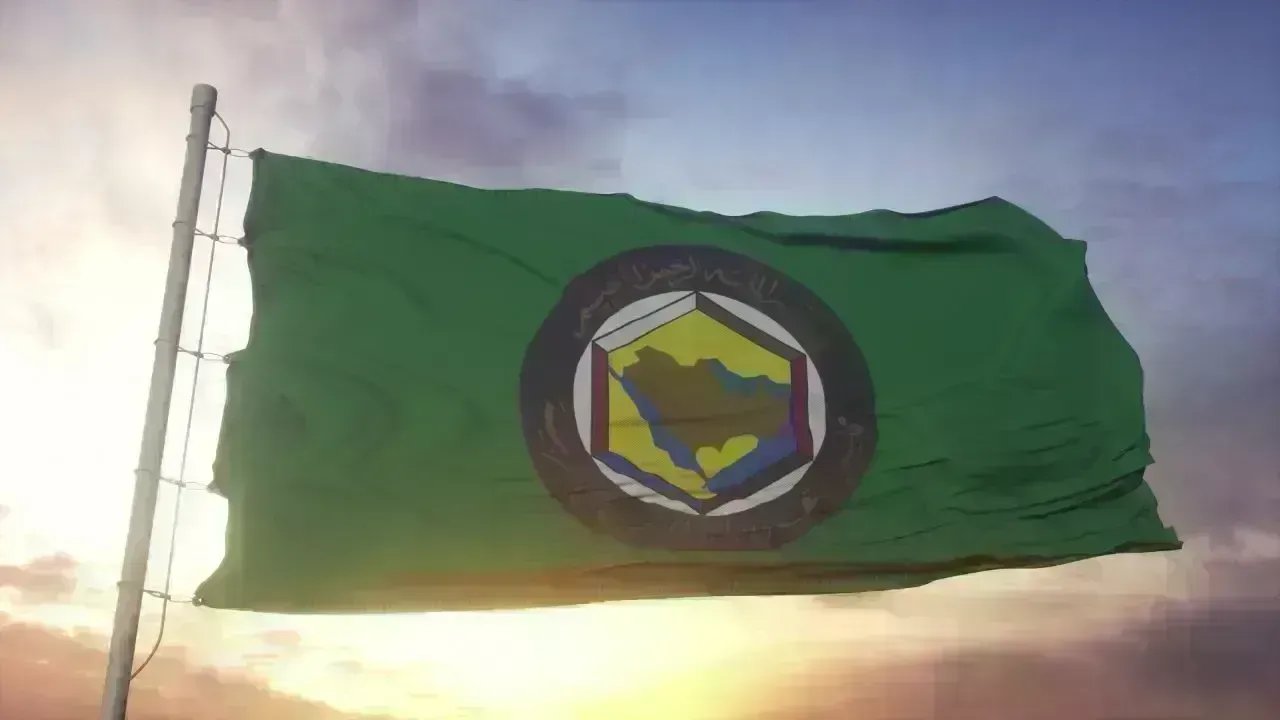
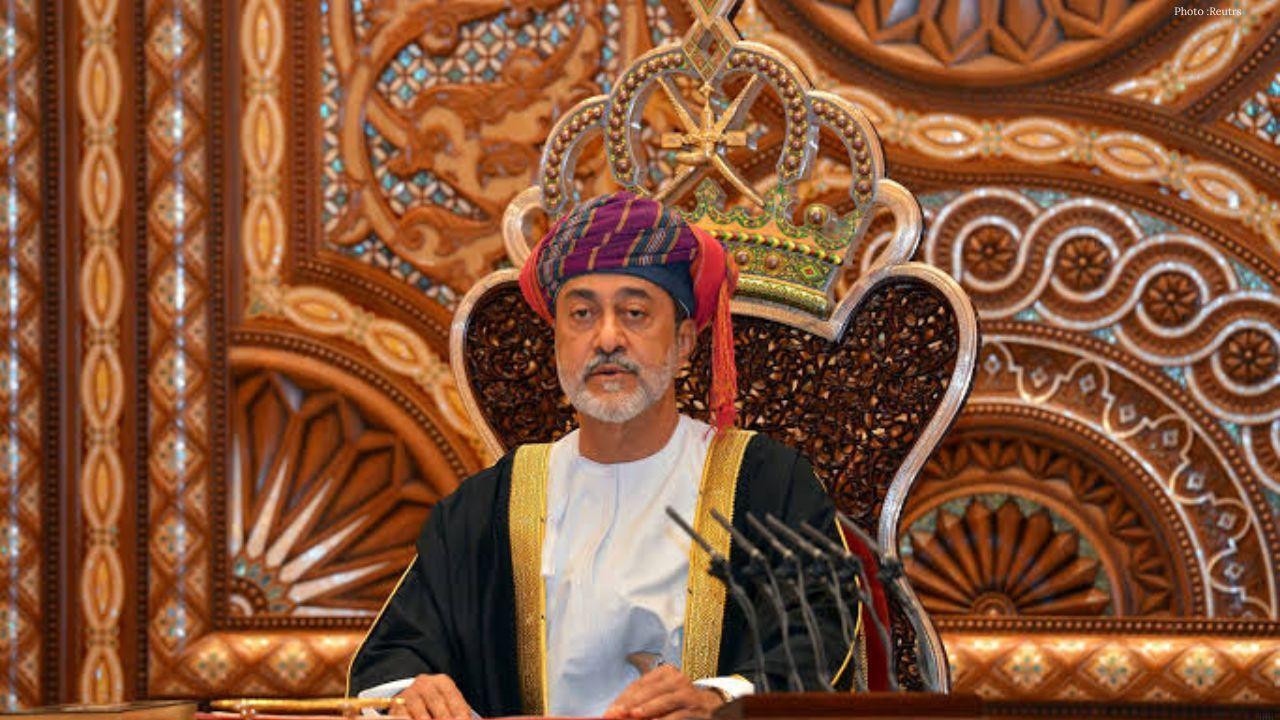
The Gulf Cooperation Council (GCC) has called for stronger cooperation with the European Union (EU) to tackle growing regional and global challenges. GCC Secretary-General Jasem Al-Budaiwi made the appeal during the Third GCC-EU Regional Security Dialogue held in Brussels.
The meeting brought together Bahrain's Foreign Minister and President of the GCC Ministerial Council Dr Abdullatif Al-Zayani, as well as European Union High Representative for Foreign Affairs and Security Policy and Vice President of the European Commission Kaja Kallas.
Al-Budaiwi said the dialogue is taking place at a crucial time as the region continues to face unprecedented security tensions. He stressed that the GCC wants to strengthen consultations and coordination with its European partners to deal with common security concerns.
GCC criticizes Iran's regional actions
During his address, Al-Budaiwi said Iran continues to choose escalation instead of diplomacy and dialogue. He stated that GCC member states remain committed to peaceful dialogue while seeking closer cooperation with European countries to address what he described as Iran's destabilizing actions across the region.
Read More: DP World Expands GCC Logistics Network With 700 New Trucks
He also said the GCC-EU strategic partnership, which was established in 1988, should now enter a new phase that is better prepared to respond to today's regional and international challenges.
Strait of Hormuz disruptions affect global economy
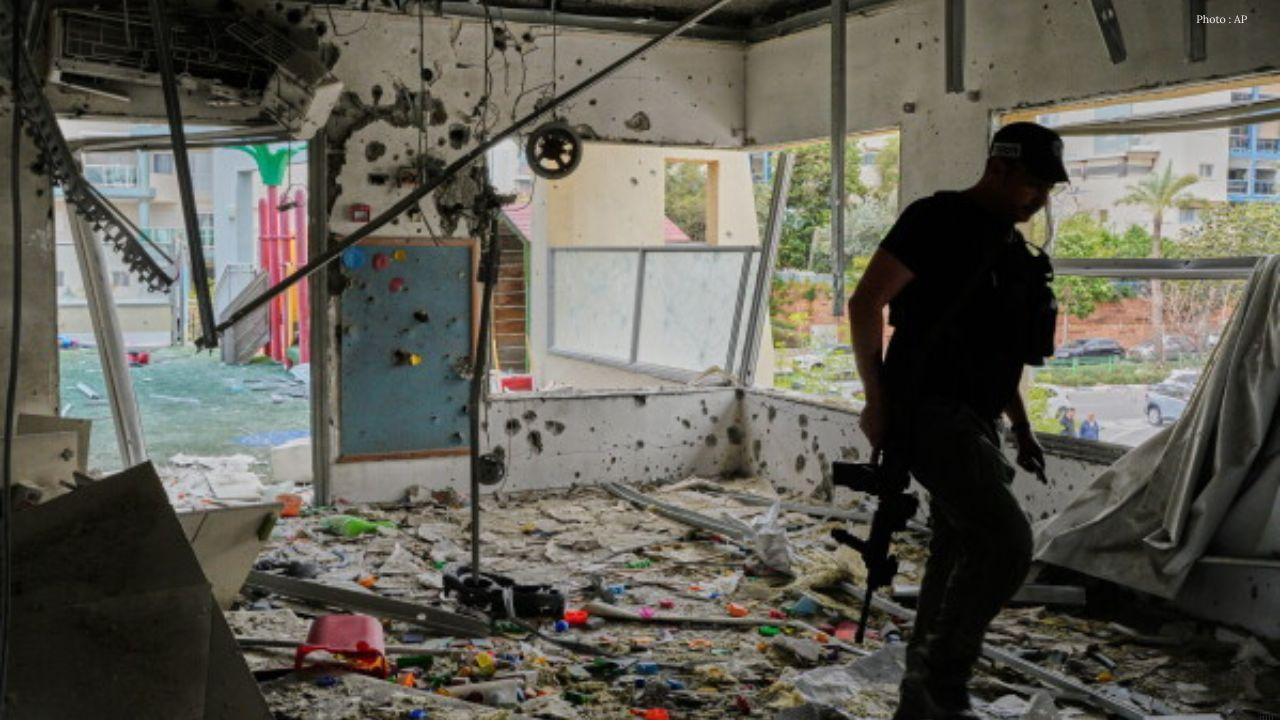
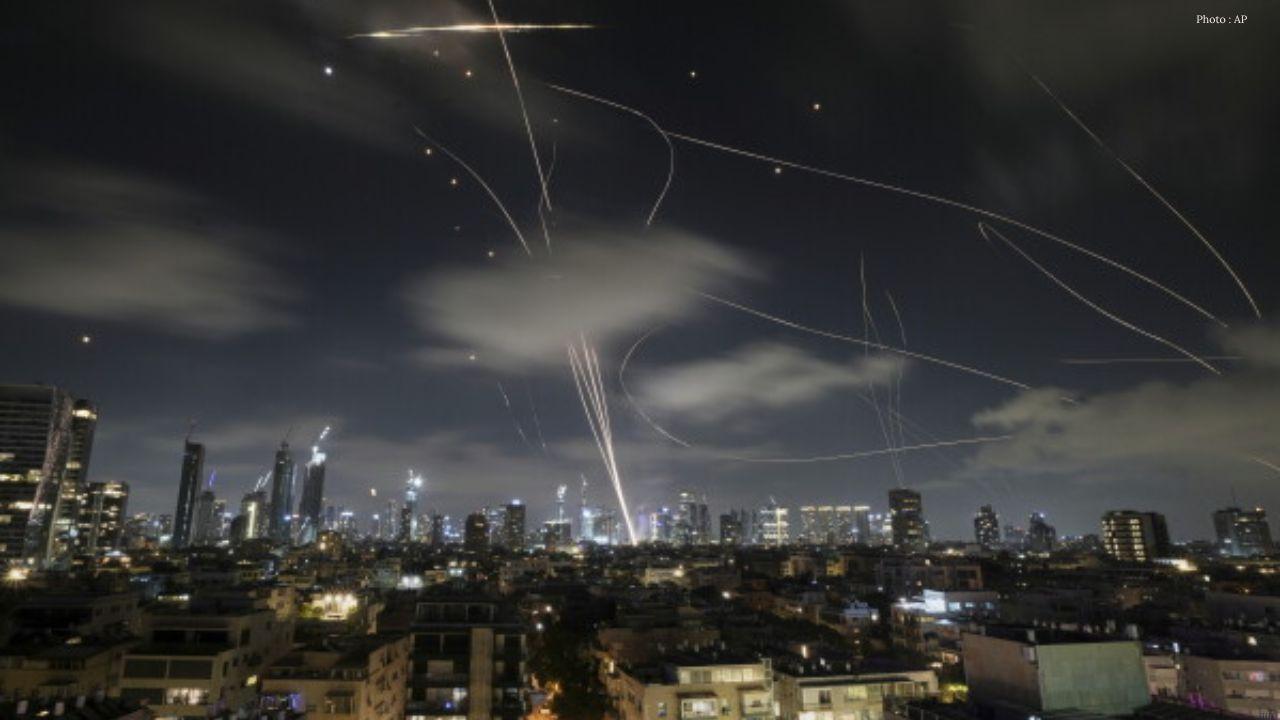
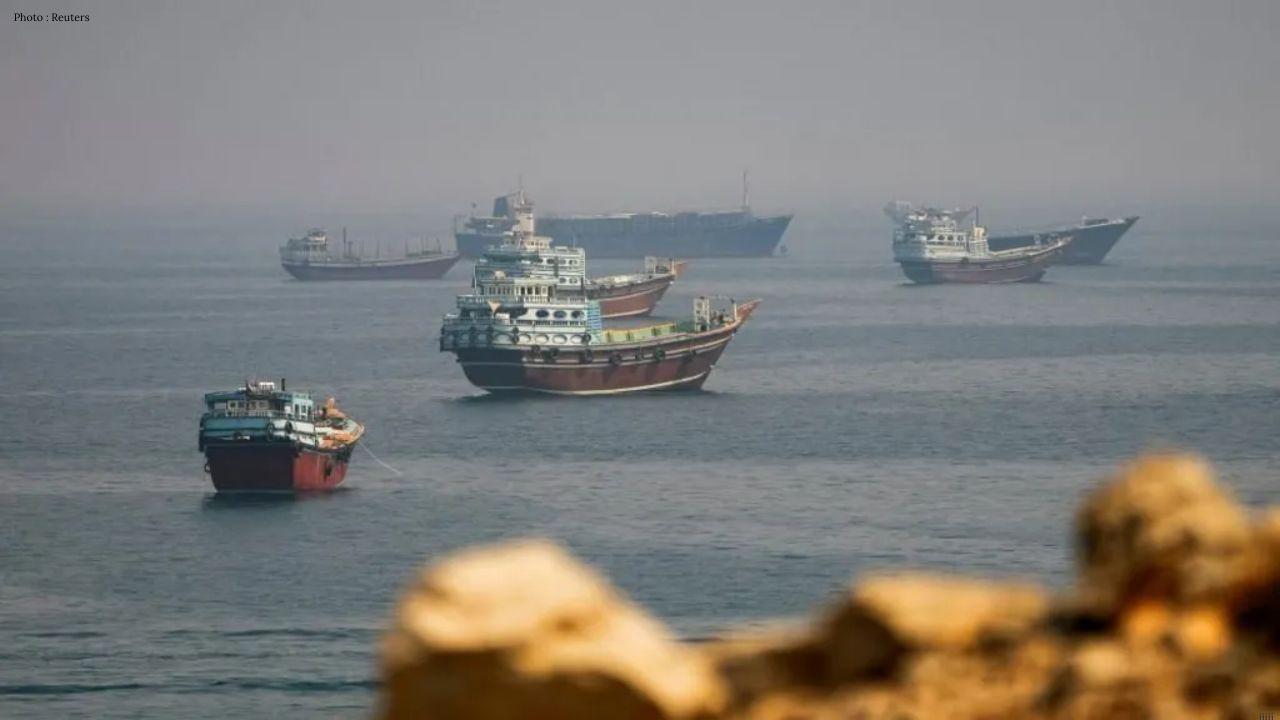
Al-Budaiwi highlighted the economic impact of attacks on energy facilities in GCC countries and the closure of the Strait of Hormuz. He said these developments have affected not only Gulf countries but also global markets and economic stability.
He referred to the International Monetary Fund's decision to lower its 2026 global economic growth forecast to 3.1 percent, saying conflict-related disruptions, especially around the Strait of Hormuz, played a major role in the revision.
He added that Europe has experienced another major energy shock within four years and noted that the regional crisis has now become a global issue with economic and security consequences for both Gulf and European countries.
Key priorities for the GCC-EU partnership
Al-Budaiwi said stronger cooperation between the GCC and the EU would allow both sides to respond to regional challenges together rather than individually.
He outlined several priorities for expanding the partnership, including:
- Stronger political and diplomatic coordination.
- Greater cooperation on regional security.
- Faster development of trade corridors and alternative transport routes.
- Deeper partnerships in the energy sector.
- Applying lessons learned from recent regional crises.
- Expanding people-to-people ties, including progress toward visa-free travel.
He said the GCC wants its relationship with Europe to extend beyond security matters and include wider economic integration that supports long-term stability, resilience and growth.
Kuwait backs stronger GCC-EU relations
At the same forum, Kuwait's Deputy Foreign Minister Ambassador Hamad Al-Mashaan reaffirmed Kuwait's support for strengthening the GCC-EU strategic partnership.
According to Kuwait's Ministry of Foreign Affairs, Al-Mashaan said the meeting builds on the outcomes of the previous forum, which was hosted by Kuwait in October 2025.
He stated that the recent attacks targeting Kuwait and other GCC countries require a firm international response. He also thanked the European Union and its member states for showing solidarity with Gulf nations during the recent regional tensions.
Al-Mashaan praised the European Union as an important partner in supporting regional security and stability.
GCC and EU discuss regional security
During separate discussions, Al-Budaiwi and Kaja Kallas reviewed ways to strengthen GCC-EU cooperation in areas of shared interest.
Both sides stressed the importance of international efforts to reduce tensions, maintain regional stability and protect freedom of navigation in the Strait of Hormuz, describing it as a vital international waterway for global trade and energy supplies.
The talks also covered the wider economic and security impact of recent developments across the region.
Egypt launches Arab trade corridors linking Gulf and Europe
Separately, Egyptian Minister of Transport Kamel Al-Wazir announced that Egypt has started implementing northern and southern Arab trade corridors connecting Gulf countries with Europe.
He made the announcement during the signing of a guarantee agreement between the Egyptian Customs Authority and the Federation of Egyptian Chambers of Commerce under the United Nations TIR Convention.
Al-Wazir said the Southern Arab Trade Corridor will connect Europe with Gulf markets through Egypt's integrated logistics network and Safaga Port.
Cargo will be transported by Egyptian shipping fleets to Saudi Arabia's Neom Port, formerly known as Duba Port, before continuing to destinations across the Gulf region.
He added that the Northern Arab Trade Corridor will connect Europe with countries in the Levant, including Jordan, Iraq and Syria, mainly through the Arish-Taba corridor, supported by the fleet of the Arab Bridge Maritime Company.
Egypt develops eight international logistics corridors
Al-Wazir also said Egypt is developing eight integrated international logistics corridors that will connect Red Sea and Mediterranean ports, the Suez Canal corridor, dry ports and key industrial, agricultural and mining areas.
The projects will be supported by railways, high-speed electric trains and highways to improve the efficiency of cargo transportation.
He said Egypt is adopting international best practices to simplify trade procedures, improve cross-border movement of goods and meet the changing demands of global supply chains.
The minister described the TIR system as an effective international tool that reduces customs clearance times, lowers transport costs, simplifies procedures and improves cargo security, making international trade smoother and more competitive.


 English