Post by : Shakul
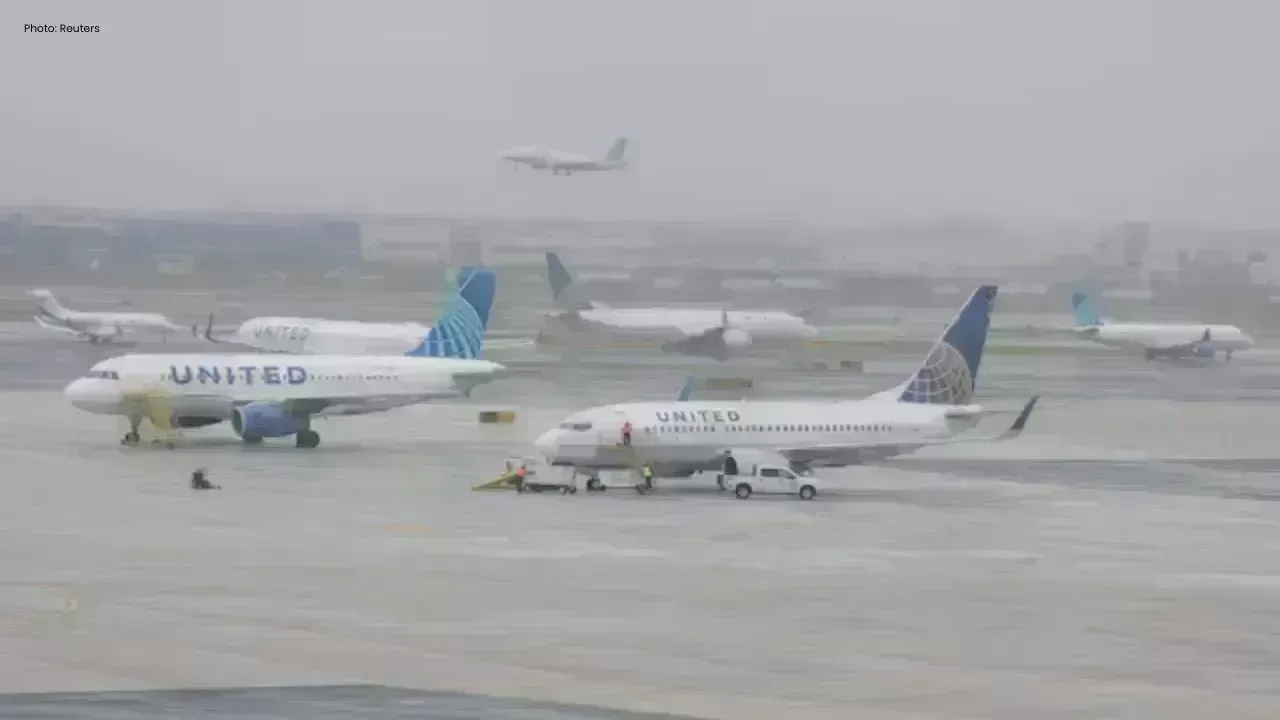
Leaders in the global airline sector convened in Rio de Janeiro this past weekend, facing mounting challenges that could hinder the aviation industry's robust post-pandemic recovery. Increased fuel prices, sparked by ongoing geopolitical tensions, coupled with delays in aircraft deliveries and airspace interruptions, are putting significant pressure on profitability in the aviation sector.
The International Air Transport Association (IATA) annual conference, representing over 370 airlines and about 85 percent of global air traffic, is taking place during a pivotal phase for the industry. Prior to the escalation of geopolitical issues, airlines had anticipated a record year driven by high passenger demand and improved financial results.
Airline executives are particularly concerned about the steep hike in fuel prices. As aviation fuel is a critical operating expense, the recent increase in oil costs is hindering airlines’ abilities to maintain viable profit margins. Since tickets are typically sold months in advance, there is a delay in passing these rising expenses on to travelers.
The scenario has been exacerbated by delays in aircraft deliveries from major manufacturers like Boeing and Airbus. Airlines are being compelled to operate older aircraft longer than planned, which consume more fuel and require greater maintenance, thus adding to the financial pressures amid these rising costs.
Despite these hurdles, air travel demand remains relatively robust across many key markets. Premium and business-class travel is particularly strong, offering airlines some leeway to adjust ticket prices. Several carriers have begun implementing fare hikes to counteract the escalating operational expenses while trying to maintain profitability.
Experts believe airline management will need to carefully assess the extent to which added costs can be passed onto customers without diminishing travel demand. Travelers on a budget could react more sensitively to rising fares, especially in markets where economic conditions are shaky and consumer spending is constrained.
While challenges are the focus at the summit, certain airlines are still pursuing ambitious growth initiatives. Reports indicate that Singapore Airlines is contemplating acquiring at least 50 new wide-body aircraft, while Qantas in Australia is assessing a significant fleet renewal program. These moves signify a long-term belief in the future of global air travel, even amid one of the toughest operational landscapes faced by the industry in years.


 English