Post by : Anis
Al-Rashid
The National Dialogue on Electricity
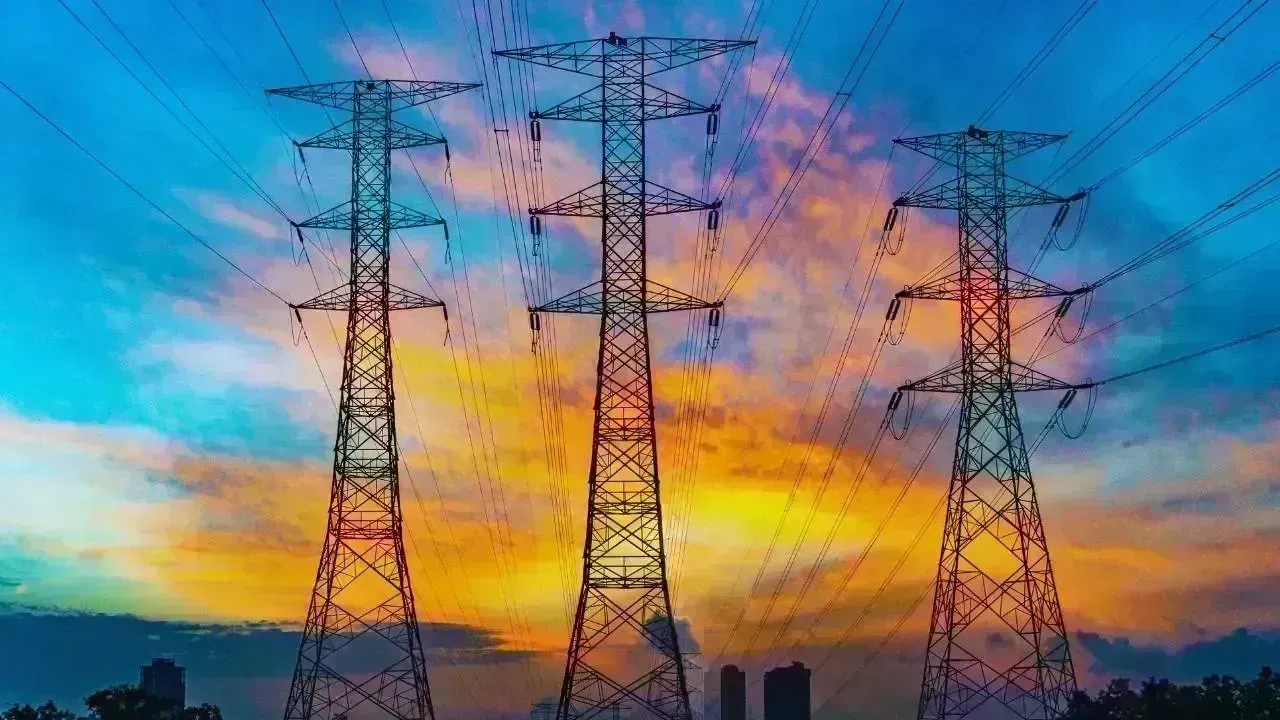
Electricity is often taken for granted until there is an interruption. For the majority of the year, power streams seamlessly into homes, businesses, hospitals, and digital infrastructures. However, when government officials issue warnings, grid operators highlight 'stress conditions', and demand peaks hit record levels, the topic of electricity shifts dramatically to a national concern.
At present, India's power grid is under meticulous scrutiny. The explosive growth in demand, coupled with spikes driven by excessive heat, uneven supply across regions, and transmission limitations, has brought the system close to its operational thresholds. Although authorities have been swift in offering reassurances to citizens, this scenario underscores ongoing challenges within India's energy framework.
This narrative is not about an imminent breakdown, but rather about a system under pressure—and the implications of this pressure for India's future energy needs.
Decoding 'Power Grid Under Pressure'
A Simple Explanation of Grid Stress
Grid stress doesn't necessarily forecast blackouts. It indicates a state where electricity demand is approaching or temporarily surpassing safe supply limits, thereby diminishing the system's ability to absorb unexpected events.
When reserves are minimal, even slight disruptions—a plant failure, a transmission fault, or a sudden uptick in demand—can trigger significant consequences.
Stress Versus Failure: Understanding the Difference
A stressed grid might still be operational, albeit with reduced safety margins. Continuous monitoring of frequency, load balancing, and reserve capacities helps officials prevent stress from escalating into failure.
Drivers Behind India's Soaring Power Demand
Impact of Heatwaves on Cooling Needs
One major factor contributing to recent grid pressure is extreme heat. Rising temperatures lead to a surge in air-conditioning use, particularly in urban areas, resulting in sudden demand spikes during peak hours.
Industrial Demand Influencing Baseline Needs
Increased industrial output, ongoing infrastructure initiatives, and heightened commercial activity have also led to escalated baseline demand. Unlike seasonal residential consumption, industrial electricity usage remains consistent and challenging to reduce.
Shifts in Urban Living and Appliance Usage
The growing adoption of energy-intensive devices in households continues to elevate per-capita electricity usage, thereby increasing long-term pressure on the grid.
Latest Insights from Officials
Government Assurances
Representatives from the Ministry of Power have assured the public that the power grid remains stable and effective contingency measures are in place. They report that any inconsistencies between demand and supply are being managed through real-time coordination and reserve mobilization.
Evaluating the Grid Operator's Stand
The Central Electricity Authority has recognized instances of tight supply but emphasizes that proactive planning, enhanced forecasting, and inter-regional power transfers are crucial in averting large-scale disruptions.
Readiness at Utility Level
Leading grid operators and transmission companies have been urged to stay vigilant, ready to respond quickly to any faults or discrepancies in demand.
Regional Disparities Escalating Challenges
Imbalance in Power Generation
The distribution of India's power generation capacity is far from equal. Certain areas generate surplus electricity while others depend heavily on the national grid for their supply.
Barriers to Transmission
Even with ample national power availability, transmission barriers can hinder efficient distribution across regions, amplifying stress levels in sectors with high demand.
Weather Variability Complicating the Issue
Not all regions experience heatwaves and storms in the same manner, resulting in simultaneous spikes in demand and localized disruptions.
The Significance of Coal and Fuel Supply
Coal as the Mainstay
While renewable energy is expanding, coal remains the cornerstone of India's electrical supply system. Interruptions in coal availability can immediately narrow supply margins.
Monitoring Coal Logistics
Authorities are actively tracking coal stock levels at power facilities. Efficient rail and port logistics play a vital role in ensuring consistent power generation.
Balancing Environmental Objectives with Reliability
Although minimizing reliance on coal is a long-term goal, officials reiterate that existing reliability must not be compromised, particularly during periods of peak demand.
Renewable Energy: A Double-Edged Sword?
Surge in Solar and Wind Contributions
Renewable energy sources are increasingly contributing to India's electricity capacity. During the day, solar energy notably alleviates pressure on the grid.
Challenges with Intermittency
However, the variability of solar and wind generation can pose challenges. Unforeseen reductions in output due to weather modifications can further strain the grid unless offset by storage solutions or backup energy sources.
Need for Enhanced Integration
The current grid stresses advocate for significant investment in storage solutions, forecasting methodologies, and adaptable generation practices to effectively integrate renewable resources.
Transmission Systems Under Strain
Challenges from Aging Infrastructure
Several transmission corridors are nearing their capacity limits, particularly at peak times. Aging assets magnify susceptibility to failures.
Lag in Infrastructure Expansion
Although new transmission ventures are in the pipeline, they often fall short of keeping pace with rising demand, creating temporary bottlenecks.
The Critical Need for Grid Modernization
Innovative grids featuring real-time monitoring and automation are becoming essential to managing complex load behaviors.
Effects on Consumers and Industries
Local Power Cut Risks
While widespread outages seem unlikely, officials have not dismissed the possibility of localized load management in extreme conditions.
Adjustments in Industrial Schedules
Industries may need to modify non-essential operations away from peak consumption hours to alleviate pressure on the grid.
Advisory Measures for Households
Authorities frequently remind citizens to utilize electricity judiciously during peak hours, highlighting the significance of collective efforts in maintaining grid stability.
The Economic Dimensions of Grid Strain
Impacts on Productivity
Even short interruptions can disrupt manufacturing, services, and digital infrastructure, leading to economic repercussions.
Increased Generation Expenses
Operating backup plants, importing electricity, or utilizing less efficient units drives up overall costs, which may eventually influence tariffs.
Influence on Investor Sentiment
A dependable power supply is vital for maintaining investor confidence. Continuous grid pressure can arouse fears regarding infrastructure adequacy.
How India Has Handled Grid Stress Before
Lessons Learned from Past Peaks in Demand
India has encountered similar stress during previous heatwaves and economic booms. Each incident has led to incremental advancements in planning and coordination.
Improved Forecasting and Strategy
Compared to prior years, demand forecasting and inter-agency collaboration have notably enhanced, reducing the risk of sudden breakdowns.
Current Actions Being Implemented
Real-Time Load Management Strategies
Grid managers are employing advanced tools for real-time monitoring of frequency and load, adjusting supply as needed.
Inter-State Power Sharing
Surplus electricity from low-demand areas is redirected to regions experiencing high demand in order to maintain a balance.
Prioritizing Emergency Readiness
During critical demand periods, there is a focus on backup generation and maintaining reserve margins.
Long-Term Steps Being Advocated by Officials
Enhancing Generation Capacities
Plans are in place for new thermal, hydroelectric, and renewable initiatives to sustain rising demand over the next decade.
Investing in Energy Storage Solutions
Battery storage and pumped hydro projects are increasingly recognized as pivotal in alleviating grid stress.
Implementing Demand-Side Management
Promoting energy-efficient appliances, smart meters, and variable pricing models can help lessen peak demand spikes.
The Intersection of Climate Change and the Grid
Increased Incidence of Extreme Weather
Climate change is exacerbating the frequency and severity of heatwaves, storms, and floods, all of which exacerbate stress on power infrastructure.
Building Resilient Systems for the Future
Future grid planning must factor in extreme weather conditions rather than relying solely on historical data.
Public Perception versus Official Facts
The Rapid Spread of Power Anxiety
Electricity issues escalate rapidly as they are foundational to daily life. Even precautionary advisories can lead to widespread public concern.
The Need for Clearer Communication
Officials stress the importance of timely and transparent communication to mitigate misinformation and public panic.
Is This Situation a Forewarning?
A Signal, Not a Crisis
Experts agree that current pressures are manageable; however, they indicate that demand is surpassing infrastructure advancements.
A Test of Preparedness
The capacity of the grid to address these challenges will significantly influence trust in India’s energy transition.
Conclusion: A Resilient System Requiring Attention
India’s power grid remains stable, but not without stress. The increasing demand, climate-related extremes, and infrastructural deficiencies have intensified the system's strain, prompting vigilant monitoring and public assurances. While immediate threats appear manageable, this situation emphasizes a larger reality: India’s energy aspirations necessitate a more rapid and resilient grid development.
The dialogue must shift from crisis response to long-term strategic planning. In a fast-evolving economy, electricity is not merely a utility; it is the cornerstone of advancement.
Disclaimer
This article serves informational purposes and doesn't provide technical, regulatory, or investment advice. Power supply circumstances and policy measures may evolve according to demand, climate, and operational scenarios. Readers are encouraged to consult official updates for real-time information.


 English