Post by : Shakul
China has intensified its maritime patrols close to Taiwan in light of the recent announcement from Japan and the Philippines about upcoming formal negotiations regarding maritime boundaries in the waters to the east of the island. This development compounds existing tensions in a region where territorial claims are hotly contested.
On Monday, China's Coast Guard stated it had conducted what it termed law enforcement operations in waters situated east of Taiwan. The Chinese government insisted that this move is a direct reaction to the maritime discussions planned by Tokyo and Manila, asserting that the areas in question fall within its sovereign rights.
This announcement came in the wake of a recent joint declaration by Japan and the Philippines, affirming their intention to initiate negotiations on defining maritime boundaries relevant to their Exclusive Economic Zones and continental shelves. Officials in Beijing have vehemently opposed these talks, branding them illegal and invalid as they concern waters that China claims as its own.
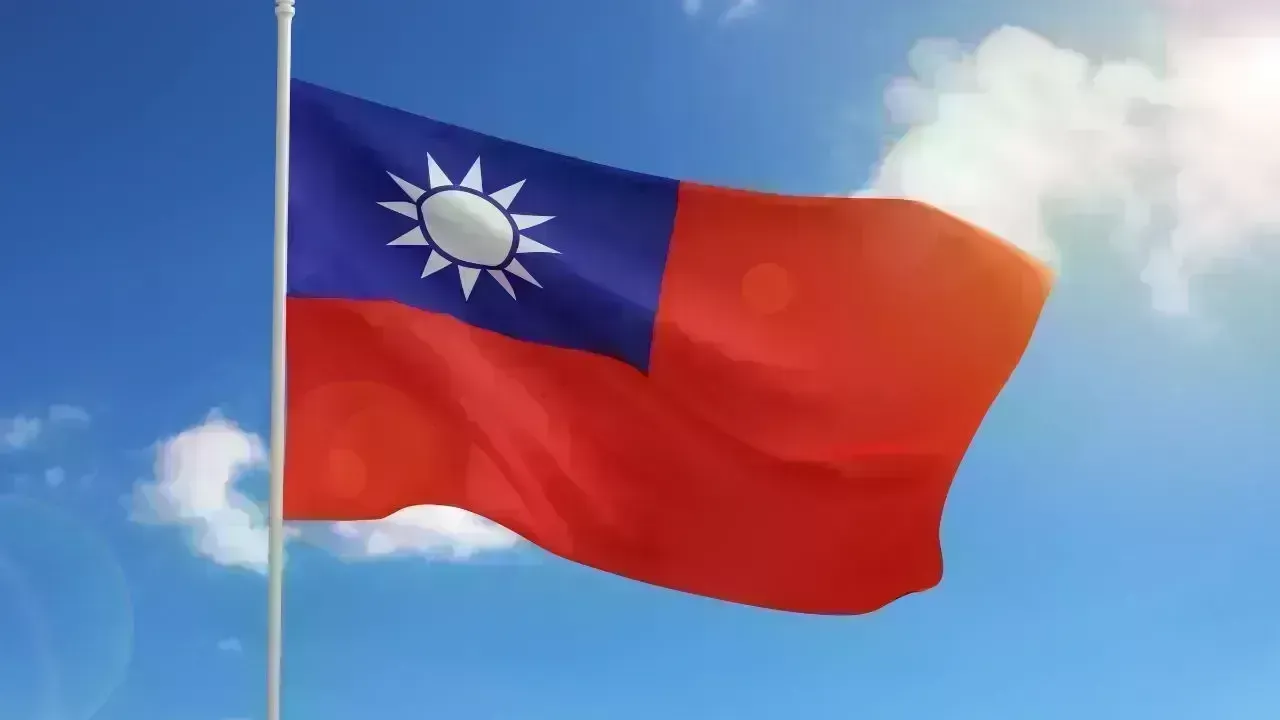
Taiwan has quickly denounced China's actions, rejecting Beijing's claim to authority over the surrounding waters. Taiwan's Coast Guard confirmed that it had only monitored two Chinese vessels operating southeast of Orchid Island, clarifying that these ships did not infringe on restricted areas. Authorities in Taipei reaffirmed their commitment to safeguarding Taiwan's sovereignty and maritime security.
This dispute encapsulates a larger struggle for control over critical maritime territories. China asserts that Taiwan is part of its territory and claims expansive areas of the South China Sea, based on its controversial nine-dash line claim. These claims often overlap with competing maritime claims from nations including the Philippines, Vietnam, Malaysia, Brunei, and Indonesia.
In response to the unfolding situation, Japan has stated that any maritime agreements made with the Philippines wouldn’t be binding for third parties. Japanese officials contend that these negotiations are in full accordance with international law and should not be construed as undermining any nation's sovereignty.
Security experts note that these developments underscore rising rivalry in the Indo-Pacific region, where issues of maritime jurisdiction, navigation rights, and vital shipping lanes remain at the forefront. The waters east of Taiwan are particularly critical, as they link major shipping routes and possess considerable economic and security importance for nations in the region.
As diplomatic tensions persist, regional authorities are likely to monitor maritime activities in the vicinity closely. While direct confrontations have yet to transpire, the competing claims and military presence highlight an unstable security landscape surrounding Taiwan and the broader Asia-Pacific region.


 English