Post by : Saif
Al-Najjar
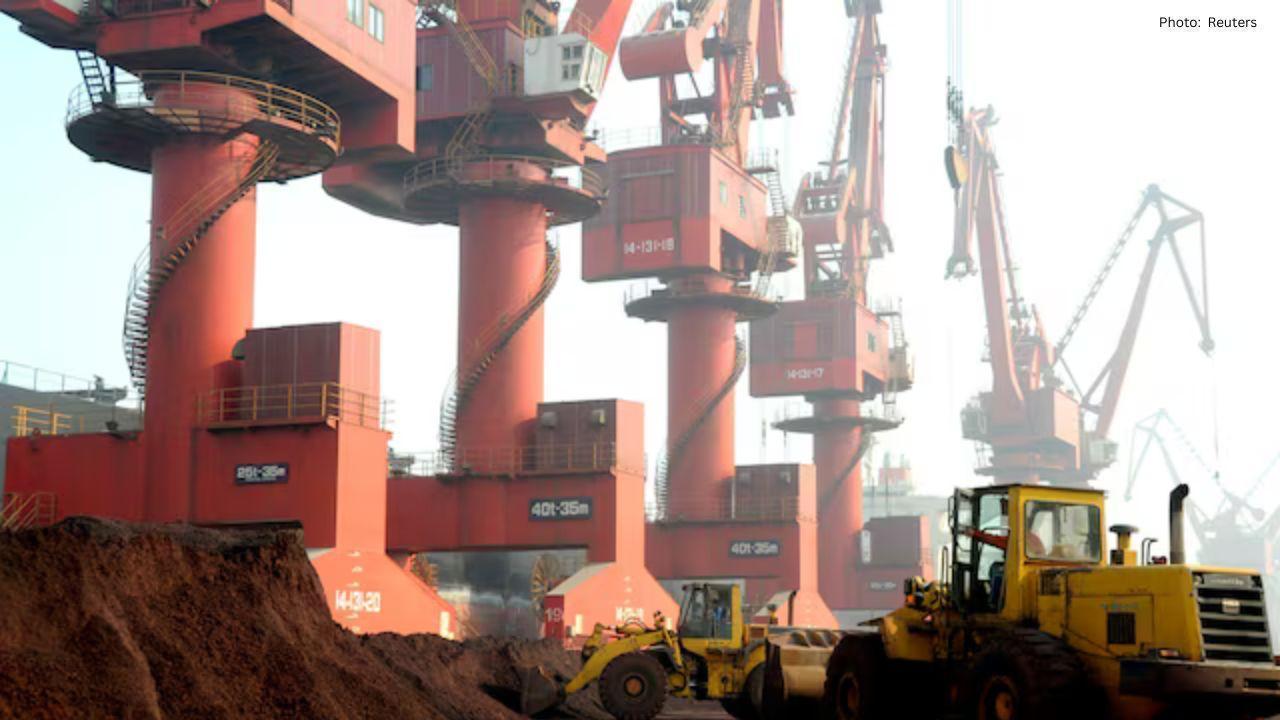
China is taking proactive measures to enhance the efficiency of rare earth exports. The Ministry of Commerce has initiated a new licensing process, introducing a “general licence” aimed at streamlining the export of rare earth materials. This initiative is designed to minimize delays and facilitate a smoother supply of these crucial resources to international markets.
Rare earth elements play an integral role in a variety of modern technologies, including electric vehicles, smartphones, wind energy solutions, defense mechanisms, and various high-tech applications. As the foremost producer of rare earths globally, China holds a pivotal place in the international supply chain.
Several exporters have reportedly obtained these new general licences, as per the Ministry. Officials noted that some Chinese firms successfully met the necessary criteria, leading to the approval of their applications. This new permit system is intended to streamline routine shipments, potentially making export processes more efficient.
The announcement follows news that certain licences may have been allocated to companies with ties to Europe. When questioned by reporters in Hong Kong, a ministry spokesperson acknowledged the approvals but refrained from identifying specific European entities. This ambiguity has raised inquiries regarding the initial beneficiaries in various regions.
There are also indications that suppliers connected to the American automaker Ford have secured the new licences, which could alleviate challenges within the electric vehicle sector that heavily relies on a consistent supply of rare earth materials. However, no confirmations have emerged from European firms regarding the receipt of any such licenses thus far.
Officials from the European Union are closely monitoring the developments. The EU's trade representative noted possible signs of approvals being granted to some European companies, yet specifics remain scarce. This uncertainty underscores the vigilance of governments and industries regarding China’s rare earth export policies.
Historically, China has implemented export controls and licensing systems to regulate rare earth movements. Such measures are typically presented as protections for natural resources, ensuring fair trade, and complying with environmental regulations. However, shifts in these policies can have significant global repercussions, given the reliance of numerous countries on Chinese supplies.
With the introduction of a more agile licensing framework, China appears to be addressing worldwide concerns over supply chain stability, while maintaining authority over who can export and in what quantities. This strategic approach enables Beijing to bolster global industries while safeguarding its own interests.
This move could alleviate pressures on manufacturers across the globe, particularly those grappling with delays or shortages. Should this new system function as intended, it may help diminish uncertainty in vital sectors such as electric vehicles, renewable energy, and electronics.
As the global appetite for rare earths intensifies, China's export strategies will continue to attract scrutiny. While this new licensing regimen points towards potentially smoother trade, the actual ramifications will unfold over time.


 English