Post by : Saif
Al-Najjar
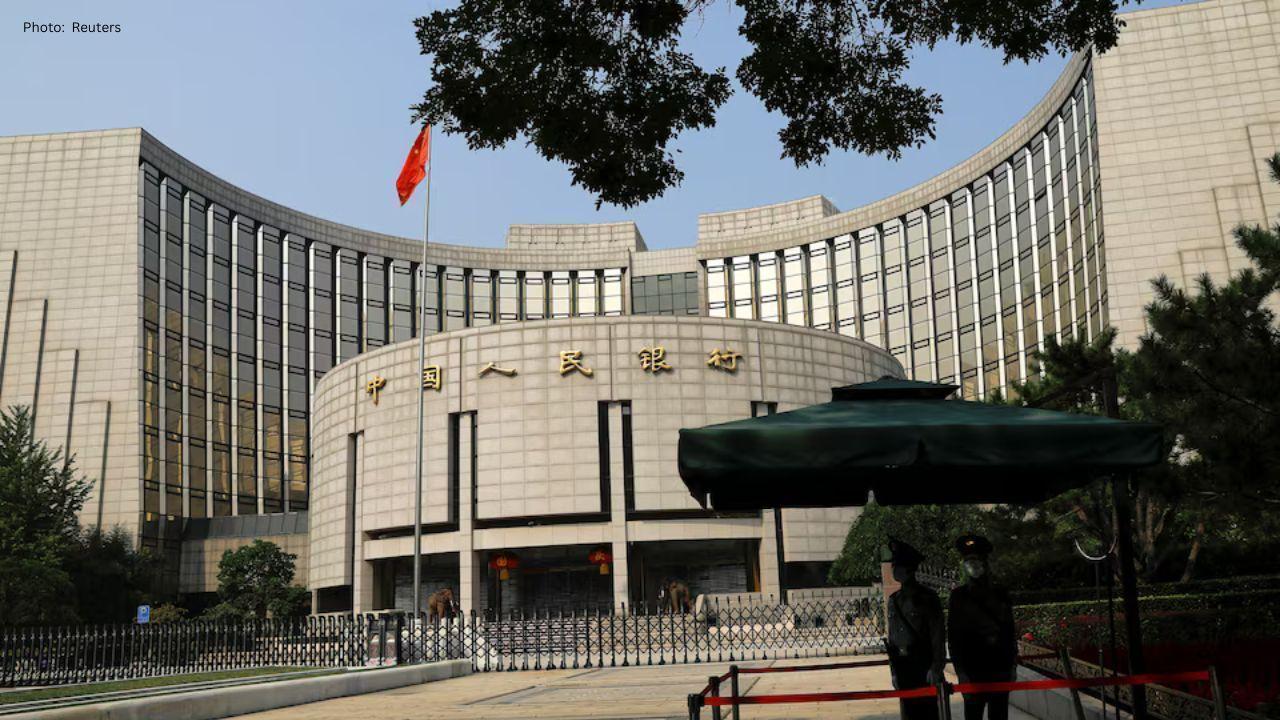
China has opted to keep its principal benchmark lending rates steady for the seventh month in a row, a decision reflecting both confidence in achieving growth goals and caution in tackling underlying economic vulnerabilities. This announcement, made on Monday, aligns with market projections and underscores Beijing's methodical approach as it navigates the complexities of an uneven economic rebound.
The one-year loan prime rate, pivotal for corporate borrowing and short-term loans, remains at 3.00%, while the five-year loan prime rate, crucial for mortgage rates, is unchanged at 3.50%. These rates dictate the interest that financial institutions charge businesses and consumers nationwide.
By maintaining these rates, Chinese authorities signal their belief that the economy is poised to meet the government's annual growth expectations, projected to be around 5%. This decision implies no immediate necessity for new monetary stimulus, despite ongoing challenges in certain sectors.
The People's Bank of China has been implementing what it refers to as a “cross-cyclical” policy strategy, focusing on leveling economic fluctuations rather than making abrupt policy shifts. Another consideration hindering rate cuts is the current pressure on banks' profit margins, which are already diminished. Swift reductions could destabilize the financial system.
Recent economic indicators present a mixed outlook. In November, growth in factory output stalled, and retail sales diminished, pointing to weaker demand from both consumers and enterprises. The persistent property crisis has significantly affected consumer confidence, making individuals more reserved about spending and borrowing.
In November, new bank lending increased less than anticipated, primarily due to a sharp decline in household borrowing. Many families remain reluctant to take on new debt, especially for home purchases, driven by uncertainties regarding employment, income, and property valuations. This reluctance minimizes the potential effects of stable interest rates on the overall economic landscape.
Earlier this month, Chinese leaders convened at the annual Central Economic Work Conference, reiterating their commitment to a proactive fiscal policy in the upcoming year. This approach will involve implementing spending measures to bolster consumption and investment, aiming to sustain growth. Officials emphasized the importance of employing policy tools flexibly, including monetary rates and reserve requirements, as circumstances evolve.
Some economists speculate that monetary easing might be on the horizon in early 2026. Analysts from leading global banks anticipate a potential minor policy rate reduction and a cut in banks' reserve requirements to stimulate government bond issuance and economic activity. However, these measures are now viewed as less pressing given the current growth climate.
In summary, China's choice to keep lending rates steady illustrates a cautious wait-and-see approach. Policymakers are weighing the necessity of promoting growth against the risks of excessive intervention. While the economy is not performing at full capacity, there is a prevailing confidence that current policies suffice for now, leaving room for action should situations deteriorate.


 English