Post by : Saif
Al-Najjar
In a significant initiative to foster its emerging private space sector, China has modified stock market listing regulations for enterprises engaged in developing reusable rockets. This action underscores Beijing’s commitment to bridging the technological divide with the United States, which currently leads in reusable rocket advancements.
The Shanghai Stock Exchange announced that Chinese companies working on reusable commercial rockets will now access initial public offerings on the STAR market more swiftly. These firms will benefit from exemptions on conventional financial prerequisites for new listings, such as demonstrated profitability and minimum revenue thresholds.
The revised regulations emphasize technological progress over immediate profitability. Rocket manufacturing companies must demonstrate tangible advancements, including at least one successful orbital launch utilizing reusable technology. This shift is pivotal given the lengthy development timelines and considerable capital investment required for rocket innovation.
China's initiative is particularly timely as it seeks to rival the United States, where SpaceX, led by Elon Musk, reigns supreme in reusable rocket launches. The Falcon 9 rocket from SpaceX is currently unrivaled in its ability to launch, land, and be reused smoothly, enabling more frequent satellite deployments at reduced costs.
Chinese authorities perceive the lead held by the U.S. as both an economic and national security issue. There is a growing concern regarding reliance on foreign space technologies, particularly as satellites assume increasingly vital roles in communications, navigation, and defense. Consequently, Beijing is vigorously advancing its own satellite systems and launch capabilities.
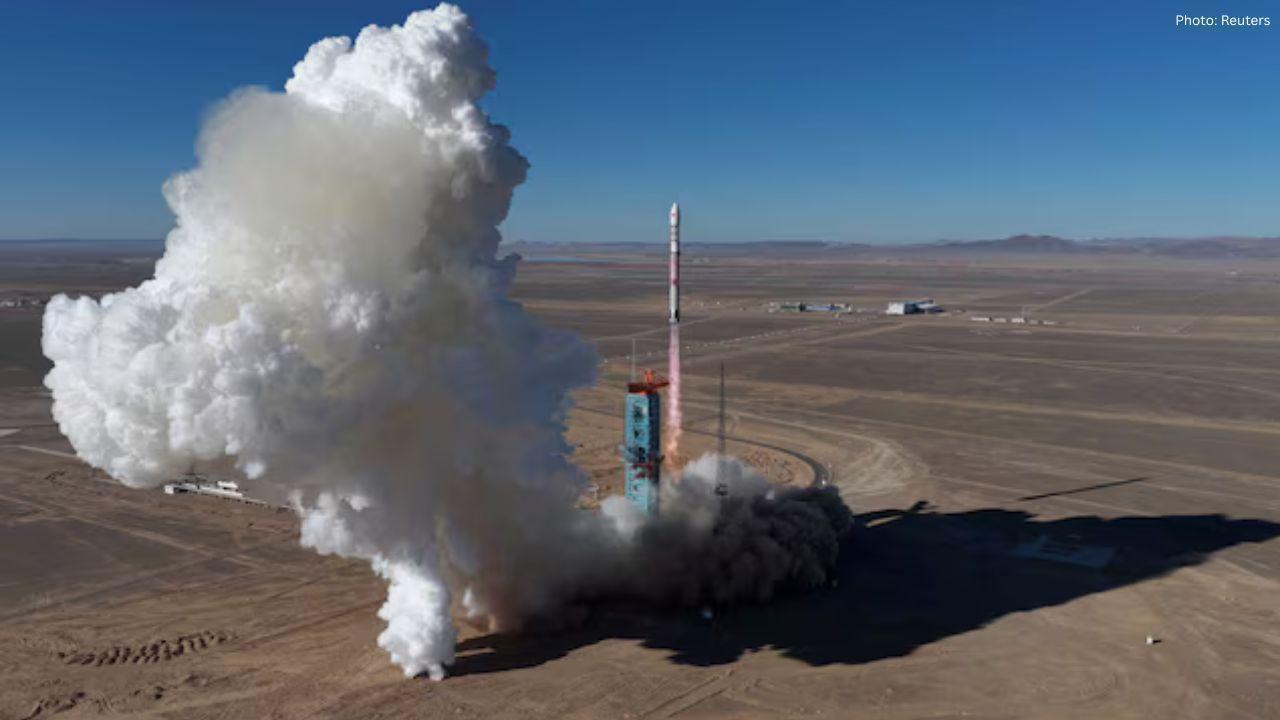
Earlier this month, LandSpace, a private Chinese rocket entity, attracted attention with its Zhuque-3 rocket launch—marking the first full-scale test of a reusable rocket by a private firm in China. While the booster was not recovered, this launch signifies considerable progress, with LandSpace planning another launch in mid-2026, aiming for complete recovery.
Firms like LandSpace assert that access to public financing is essential, citing the high costs of developing reusable rockets. The newly established IPO guidelines aim to mitigate these financial challenges by facilitating earlier capital raising for promising companies.
Furthermore, the Shanghai exchange indicated that businesses involved in national missions or significant government-backed space initiatives will be prioritized for support. This alignment reflects the integral connection between China's private space endeavors and its strategic long-term objectives.
Ultimately, the relaxed IPO framework symbolizes China's comprehensive strategy to bolster innovation, promote private enterprise, and enhance its foothold in the arena of space technology. By prioritizing technical advancements over short-term gain, Beijing aspires to expedite development and cultivate a robust space sector poised for future competitiveness.


 English