Post by : Shakul
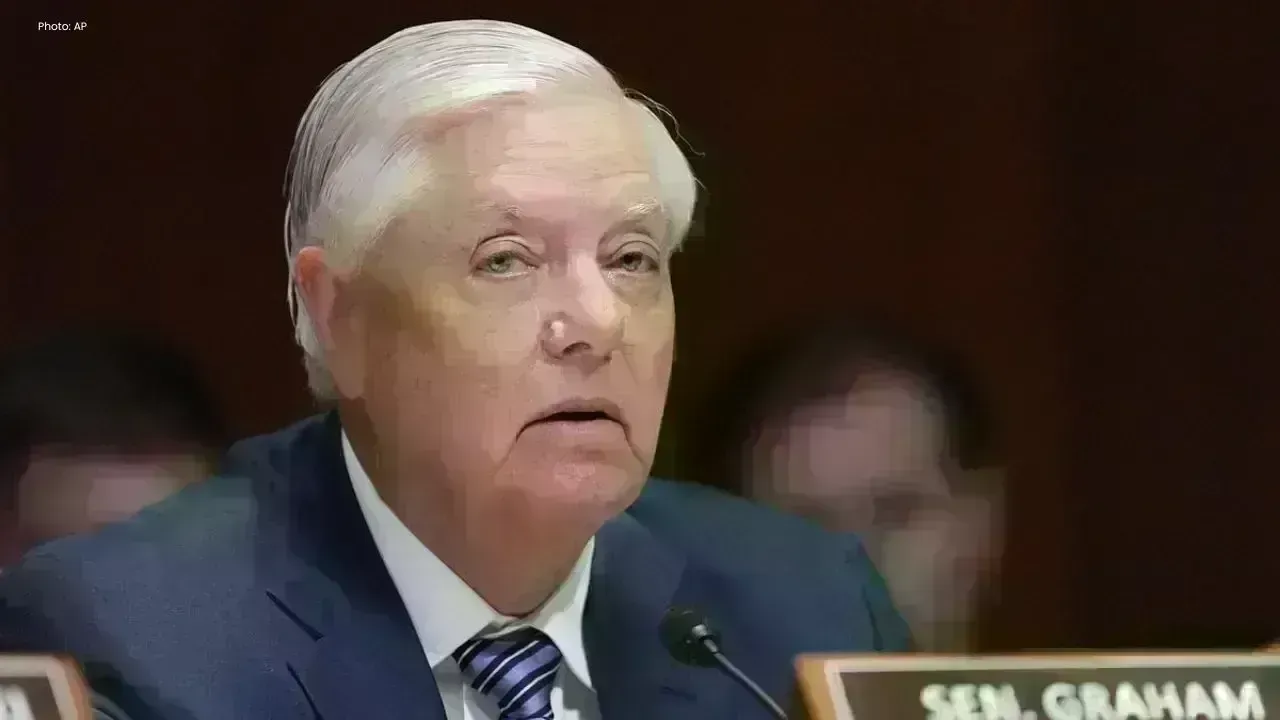
In a recent statement, Republican Senator Lindsey Graham voiced apprehensions regarding Pakistan's potential role as a mediator in the ongoing U.S.-Iran conflict. While addressing issues of regional diplomacy in Washington, he characterized Pakistan's involvement as “problematic”, especially in the context of rising tensions in the Middle East.
This discussion follows comments from Pakistan's Defence Minister, Khwaja Asif, who expressed opposition to Islamabad participating in the Abraham Accords, designed to enhance political, economic, and security relations between Israel and Arab nations.
Senator Graham reportedly encouraged Pakistan to take a constructive approach to U.S. President Donald Trump’s wider diplomatic initiatives concerning the Middle East crisis. Trump has continuously called on nations serving as mediators to endorse peace initiatives linked to the Abraham Accords.
The situation has garnered global attention, considering Pakistan's longstanding support for the Palestinian cause and its lack of official recognition of Israel. Analysts suggest that Pakistan's stance renders its engagement in Middle East diplomacy particularly sensitive and closely monitored by international stakeholders.
Defence Minister Khwaja Asif remarked that Pakistan should prioritize its diplomatic objectives and regional responsibilities before making any commitments concerning the Abraham Accords. His views underscore internal discussions in Pakistan about its relationship with Israel and its role in global disputes.
Observers note that Senator Graham’s remarks reflect escalating unease among U.S. legislators over the strategic cooperation of nations involved in mediating efforts during the Iran crisis. Washington appears keen on finding dependable regional allies as tensions escalate in the Middle East.
The Abraham Accords, established in 2020, facilitated the normalization of relations between Israel and several countries, including the United Arab Emirates, Bahrain, Morocco, and Sudan. These accords remain a cornerstone of U.S. diplomatic efforts in the region.
Experts suggest that Pakistan is now negotiating a fragile diplomatic balance between upholding its traditional foreign policy and adapting to intensifying international demands concerning regional security and peace.
This dialogue unfolds against a backdrop of ongoing geopolitical tensions between Iran, Israel, and the United States, complicating matters of global diplomacy, trade, and security across West Asia.


 English