Post by : Anis
Al-Rashid
When Convenience Turns Costly
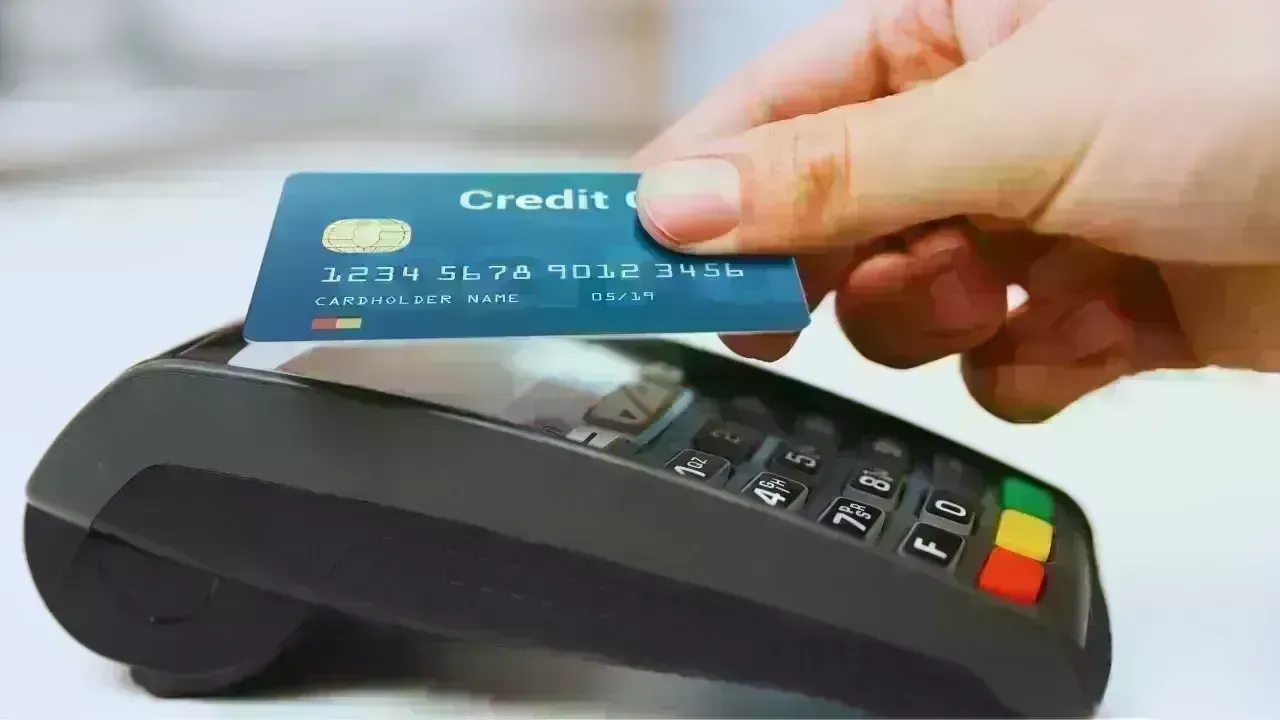
With the ease of tap-and-go payments, credit cards have become embedded in our routines. They facilitate bill payments, travel bookings, emergency expenses, and often tempt impulsive buying. During stable economic times, most users readily manage their credit. However, with rising inflation, these once-harmless tools can morph into financial traps. Everyday costs for groceries, education, medical care, and fuel are skyrocketing, leading many to increasingly rely on credit cards to balance their budgets.
Initially, this adjustment may seem trivial—just a few added purchases here and there. But as inflation squeezes financial capacity and interest accumulates, debt cycles can intensify unexpectedly. Grasping how inflation affects credit card usage isn't just prudent—it's essential for financial health.
This guide explores the impact of inflation on spending habits, outlines why a revised approach to credit cards is vital in tough economic climates, and offers family strategies to avoid the debt cycle that could jeopardize savings, mental peace, and overall well-being.
How Inflation Changes the Credit Game
Inflation doesn’t merely raise prices; it transforms consumer behavior. What used to feel affordable can suddenly feel burdensome, and luxuries become perceived as necessities.
Rising Prices, Shrinking Headroom
As expenses for essentials like food, housing, and transportation outpace earnings, disposable income dwindles. With bills prioritized, little remains to cover emergencies or savings. Consequently, credit cards become a safety net, preventing financial collapse.
Yet inflation curtails purchasing power while interest rates escalate, creating a precarious situation for borrowers. A household that once managed payments smoothly now grapples with escalating costs and compounded interest.
Minimum Dues Create Maximum Damage
Making minimum payments seems like a responsible choice when cash flow is tight, maintaining account activity and escaping penalties. However, minimum payments are engineered to prolong debt, leaving principal balances untouched during inflationary periods.
This veneer of progress masks stagnation. Though monthly balances might stay steady, true repayment can span years. The temptation to pay minimally may lead to increased long-term distress.
The Psychology of Inflation Spending
Financial stress alters spending patterns. Inflation affects more than just finances; it reshapes emotional responses.
Spending as Comfort
As costs escalate and anxiety rises, spending often becomes a coping mechanism. Small purchases might seem to alleviate stress, turning credit cards into emotional lifelines—a habit that can quietly bolster debt.
Fear Buying and Stockpiling
In periods of high inflation, the mindset often shifts to "buy now, before prices rise further." This urgency promotes spending even on non-essential items, and credit cards allow for immediate gratification without immediate repercussions.
Regrettable purchases often follow, with debts lingering long after the initial emotional trigger fades.
Interest: The Hidden Multiplier
Inflation renders interest rates particularly perilous.
How Interest Quietly Doubles Your Spend
A few thousand dollars in spending can escalate significantly when carried month-to-month. Although interest may seem manageable at first, it compounds daily, weekly, and yearly.
Inflation widens the gap between what you spend and can repay, allowing interest to accrue unchecked. What seems like a manageable debt today can transform into a severe repayment burden later.
Late Fees and Penalties Add Fuel
As financial strains deepen, payments can become delayed. Late fees, interest spikes, and over-limit penalties soon follow. A single missed payment can harm credit scores and result in higher interest rates.
Inflation does not only inflate prices; it amplifies the cost of mistakes.
Smart Strategies for Safe Credit Use
Managing credit during inflation demands discipline rather than denial.
Budgeting With Inflation Reality
Traditional budgeting becomes obsolete amidst price hikes. Essentials like food and utilities require revised calculations. Without accurate tracking, individuals may underestimate expenses and overextend credit.
Inflation-focused budgeting involves monitoring weekly, rather than monthly, expenses.
Separate Needs From Wants Clearly
In times of urgency, discerning between needs and wants can be challenging. Users must implement strict distinctions. Vital health, food, and education expenses may warrant credit use, while luxuries should be avoided.
Emotional discipline becomes essential for financial security during inflation.
Never Carry Revolving Balances Mindlessly
If carrying a balance is unavoidable, prioritize cards with the lowest interest rates. Consider transferring balances to minimize costs. Avoid new spending until existing debts decrease.
The goal is clear: prioritize paying off debt before it spirals.
Cash Is Still King, Even in a Digital Age
While credit may mask financial pain, cash brings it to light.
Why Physical Money Changes Behaviour
Swiping a card feels less like spending, whereas handling cash emphasizes it. In tough economic times, using cash for some purchases encourages less impulsive and more mindful spending.
Debit Before Credit
Whenever possible, expenses should be covered by available funds, not borrowed capital. Credit should be reserved for emergencies, not lifestyles.
Emergency Funds Must Become Non-Negotiable
Inflation penalizes households lacking financial buffers.
Why Every Family Needs Cash Protection
Without savings, unexpected costs escalate into debt. Surprise medical bills or repairs can lead to prolonged financial strain.
Emergency funds provide peace of mind and safeguard against debt traps.
Starting Small Works
Even modest, consistent savings can build resilience. Inflation rewards preparedness while punishing complacency.
Mental Health and Money Are Linked
Debt-related stress disrupts sleep and relationships.
Financial Anxiety Is Real
Frequent balance checks, bill anxiety, and avoidance behaviors indicate financial burdens. Many suppress these warning signs until they impact overall well-being.
Talking About Debt Should Not Be Shameful
Discussing financial struggles with family or financial advisors can alleviate feelings of isolation. Acknowledging debt is not indicative of failure; silence around it is.
Avoid Lifestyle Inflation Even When Income Grows
Inflation often tempts lifestyle upgrades.
Why Raises Disappear Quickly
Salary increases can evaporate into higher spending on phones, dining experiences, and subscriptions. Credit cards enable carefree spending without immediate consequences.
This is how increased earnings can lead to diminished assets.
Living Slim Builds Strength
Resisting lifestyle upgrades creates flexibility. Fewer commitments allow for greater freedom during financial shifts.
Retail Traps to Watch Out For
Discounts might not always equate to savings.
Buy Now, Pay Later Illusions
Deferred payment options can lead to future financial strain, pushing consumers to exceed their budgets.
A delay in payment doesn’t translate to a risk-free purchase.
Reward Points Can Betray
Chasing rewards may encourage overspending; rewards become irrelevant if incurred with interest.
Repairing Damage Already Done
If debts have increased, recovery remains possible.
Start With Knowing the Numbers
Itemize every card, balance, and interest rate. Ignoring these numbers only prolongs financial recovery.
Negotiate and Consolidate
Many banks are open to restructuring payments for clients facing difficulties. Early inquiries are paramount to save both money and stress.
Stick to a Repayment Plan Religiously
Focus on consistency over speed in repayments. Small victories create a pathway to bigger achievements.
Teaching Financial Habits at Home
Families are instrumental in shaping financial behaviors.
Children Learn From What They See
Conversations about debt foster awareness, while silence nurtures fear.
Shared Responsibility Builds Strength
Collaborating on finances can make money management easier and less daunting.
Looking Ahead: Smart Credit Is Power
The challenges of inflation will not dissipate swiftly. However, adaptability is key.
Credit cards aren’t adversaries; misuse is. A strategic approach turns potential pitfalls into opportunities.
True financial freedom comes not from eliminating all comforts but from enjoying them without incurring future penalties.
Final Thoughts: Control the Card Before It Controls You
In times of economic uncertainty, credit serves as a reflection of discipline. It rewards the cautious and penalizes the reckless. Those who approach credit as a backup during trying times tend to weather inflation better, while those who treat it as a lifestyle crutch may find it financially suffocating.
Moving forward, the smartest credit users won’t be those with the highest limits but those who adopt a thoughtful, minimalistic approach.
The true strength in a high-inflation environment lies not in spending recklessly but in living without apprehension.
Disclaimer
This article serves informational purposes only and should not be construed as financial advice. Readers are encouraged to assess their own financial circumstances and consult certified professionals prior to making credit or repayment choices.


 English