Post by : Saif
Al-Najjar
Cuba has issued a firm response following U.S. President Donald Trump’s declaration that the island would cease to receive oil or financial backing from Venezuela. Trump's comments, which included the suggestion for Cuba to negotiate with Washington, have amplified tensions between these longstanding adversaries.
In a social media statement, Trump asserted that there would be “zero” oil and funds directed toward Cuba from Venezuela. He pointed out Cuba's historical dependence on Venezuelan support and urged its leadership to broker a deal with the United States before it became too late, although he did not provide specifics about the potential deal.
Cuba’s government quickly dismissed Trump’s statements. President Miguel Díaz-Canel remarked that the U.S. lacks the authority to pressure Cuba or dictate its actions. He emphasized Cuba's sovereignty and independence, accusing Washington of a hostile campaign against the island that has spanned more than six decades, marked by sanctions and political maneuvers. Díaz-Canel affirmed that Cuba would protect itself under any circumstances.
Historically, Venezuela has been Cuba’s top oil supplier, delivering approximately 26,500 barrels of crude and fuel each day last year, meeting nearly half of the island's oil demands. Nonetheless, shipping records reveal that no oil shipments from Venezuela to Cuba have occurred since early January, following U.S. actions against Venezuelan President Nicolás Maduro and the imposition of a stringent oil blockade.
Simultaneously, reports indicate that the U.S. and Venezuela are negotiating a significant oil pact. This agreement could lead to the U.S. receiving up to 50 million barrels of Venezuelan oil, with funds managed in U.S.-held accounts. This development signals a substantial shift in relations, placing additional pressure on Cuba, which has historically relied on Venezuelan oil.
Cuban Foreign Minister Bruno Rodríguez stated that Cuba reserves the right to procure fuel from any nation willing to supply it. He refuted allegations that Cuba receives financial or other benefits in exchange for security assistance provided to other countries. While Cuba has not disclosed the specifics of its security operations with Venezuela, it did confirm that Cuban personnel had died during the recent U.S. actions there.
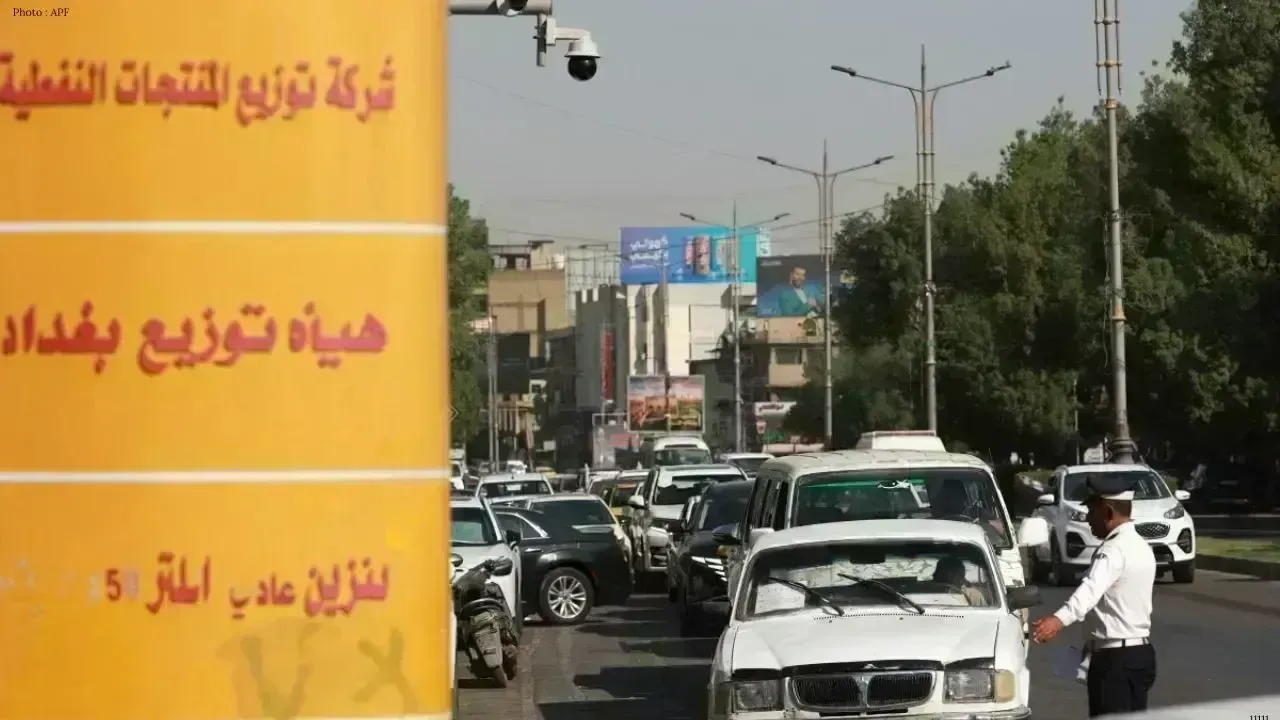
Living conditions on the island have already turned challenging. Cuba relies heavily on imported fuel for power generation and transportation. With dwindling oil supplies, power outages have become common, leaving many without electricity for several hours daily. Shortages in food, fuel, and medicine have heightened public discontent and driven a wave of emigration among Cubans in recent years.
Recently, Mexico has stepped in as a modest but critical alternative source of oil. President Claudia Sheinbaum noted that while Mexico hasn’t increased shipments significantly, the changing situation in Venezuela has made it a vital fuel provider for Cuba. However, the supply remains limited and cannot entirely substitute for Venezuelan oil.
U.S. intelligence reports indicate that Cuba’s economy faces significant challenges, particularly in agriculture and tourism. Although the lack of Venezuelan oil might complicate governance, these reports do not fully corroborate Trump's assertion that Cuba is on the verge of collapse.
Public reactions in Cuba are varied. Some citizens express willingness to withstand further hardship, while others contend that urgent reform is necessary. Many point to daily struggles, such as lengthy power outages and empty grocery shelves, as indicators that the current situation is unsustainable.
From an editorial standpoint, Trump’s comments represent another notable escalation in U.S. policy towards Cuba. Although increased pressure may exacerbate economic difficulties, historical context suggests that mere threats rarely lead to enduring solutions. This scenario underscores the urgent need for dialogue and practical policy choices rather than confrontation.
As Cuba grapples with escalating challenges, the next few months will prove pivotal. The manner in which Havana navigates diminishing oil resources and increased pressure from the U.S. will influence the nation's trajectory and the regional power dynamics.


 English