Post by : Anis
Al-Rashid
Why Supplements Are Taking Center Stage
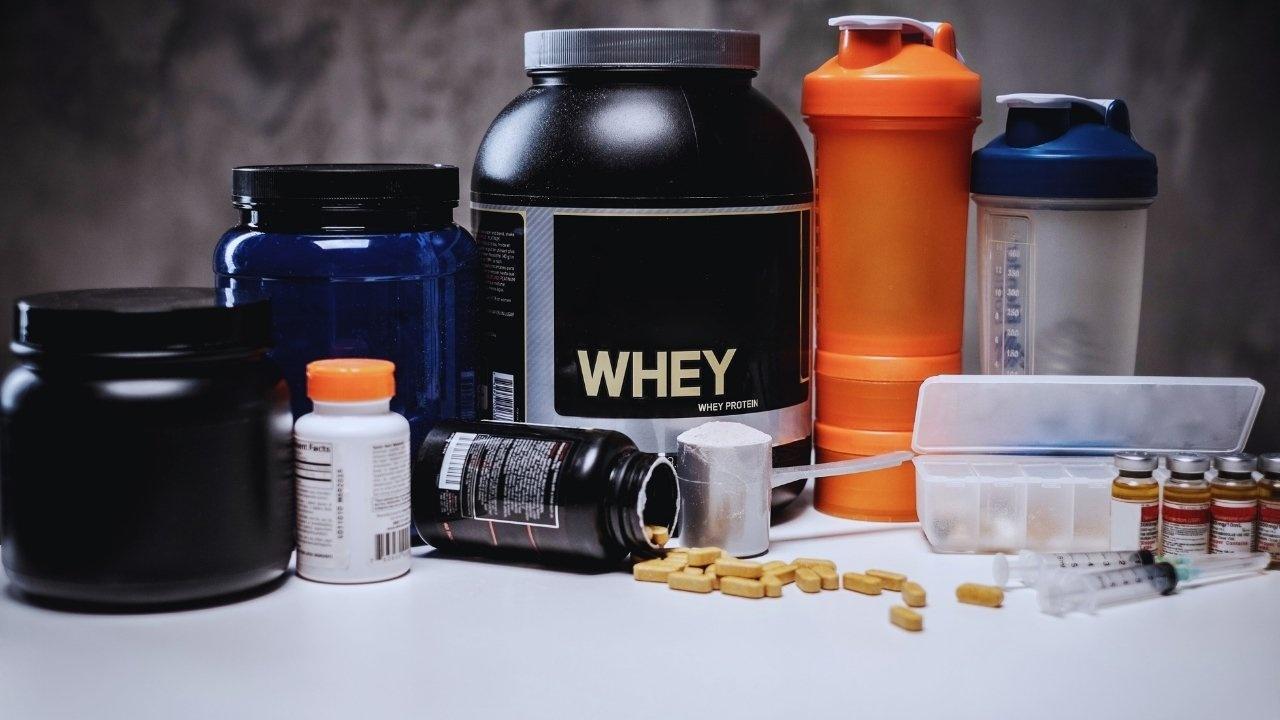
In 2025, supermarkets, pharmacies, and online wellness platforms are brimming with supplements that claim to enhance immunity, improve focus, promote glowing skin, assist in weight loss, aid digestion, and facilitate sleep. The supplement industry has grown into a global powerhouse, with consumers increasingly turning to it.
Given the hectic pace of modern life, many individuals are looking for quick fixes to close nutritional gaps, boost energy levels, or align with their wellness aspirations through supplements.
However, this surge in popularity has created considerable confusion. While some supplements are backed by legitimate research, many others are heavily marketed without substantial benefits. Distinguishing what's effective from what's merely hype is crucial.
Grasping this distinction is vital because supplements can be effective aids—when used for the appropriate reasons with a thorough understanding.
Motivations Behind Supplement Use
Today's lifestyle has amplified the dependence on supplements. Factors like extended work hours, irregular meal timings, preference for fast food, lack of sleep, and a sedentary lifestyle contribute to nutritional challenges.
Supplements often serve as a simple, reassuring solution. For instance, someone lacking vitamin D may resort to pills, and those experiencing digestive issues might turn to probiotics.
Yet, these needs often arise from lifestyle adjustments that can be tackled through better eating habits, adequate rest, and balanced lifestyles.
To achieve optimal benefits, supplements should complement—not substitute—healthy living.
Clarifying the Role of Supplements
A common misconception is that supplements operate like medications. Unlike medicines that treat specific illnesses and face strict regulations, supplements aim to meet daily nutritional requirements.
They are not treatments.
They do not yield immediate results.
They are not replacements for medical guidance.
Supplements are beneficial only when there are actual deficiencies. If an individual consumes sufficient nutrients from their diet, adding supplements doesn’t necessarily enhance health.
Understanding personal nutritional needs is the first step in determining which supplements are worth pursuing and which are extraneous.
Supplements with Proven Benefits
Some supplements are well-supported by research, providing significant advantages when taken correctly.
Vitamin D
Vitamin D deficiencies are prevalent among those who spend extensive hours indoors. This vitamin aids bone health, mood stabilization, and immune function. For many, supplementation can restore adequate levels.
Omega-3 (Fish oil or plant-based)
Omega-3 fatty acids promote heart health, cognitive abilities, and inflammatory responses. Individuals who do not consume oily fish may benefit from supplementation.
B12
Vegetarians, vegans, and those with specific digestive issues often require B12 supplements, which are crucial for energy, red blood cell production, and proper nerve function.
Iron (administered only when necessary)
Iron supplements are beneficial for those diagnosed with low hemoglobin or an iron deficiency. Uncontrolled intake of iron is not recommended.
Probiotics
Probiotics can be effective when gut health is compromised by poor diet or antibiotics. However, they are not universally required.
Magnesium
Magnesium aids in muscle relaxation, sleep, and stress reduction. Many individuals suffering from diet irregularities or high stress find it beneficial.
Calcium
Calcium supplements are essential for individuals not meeting their dietary calcium needs, especially older adults.
Protein Powders
Protein powders assist those unable to meet their protein intake from food, including athletes, vegetarians, busy professionals, or senior citizens.
These supplements address real deficiencies or enhance daily dietary support.
The Overrated Supplements
For every genuinely effective supplement, numerous others are marketed through clever packaging with little substance.
Detox Pills
The body naturally detoxifies through the liver and kidneys. Detox pills typically promote water loss or bowel movements but do not eliminate toxins effectively.
Fat-Burner Capsules
Many fat-burner supplements inflate their claims. Actual weight loss is primarily driven by lifestyle choices rather than capsules.
Collagen Gummies
Collagen degrades during digestion; consuming it does not guarantee skin improvements. Overall diet and hydration matter more.
Superfood Powders
While numerous superfood powders provide micronutrients, they often come with high price tags. Consuming whole foods can yield similar benefits at a more reasonable cost.
Nootropic “Brain Boosters”
Many brain-enhancing blends inflate their outcomes. Unless medically required, they typically don’t significantly enhance memory or concentration.
Immunity Shots
Quick immunity boosters are a marketing staple. Genuine immunity is fostered through adequate sleep, healthy eating, hydration, and long-lasting well-being—rather than isolated shots.
While these products may offer slight advantages, they seldom deliver on the surrounding hype.
Misleading Marketing Practices
The supplement market heavily relies on persuasive marketing terminology. Common strategies include:
“Clinically proven” — often based on diminutive or irrelevant studies.
“Fast results” — misleading as supplements rarely provide immediate outcomes.
“Natural” — not necessarily safer; various natural compounds can be potent.
“Doctor-formulated” — may hold true, but does not guarantee efficacy.
“Metabolism booster” — an ambiguous claim lacking scientific clarity.
Recognizing these terms helps consumers evade impulsive purchases fueled by baseless promises.
More Isn't Always Better
Many individuals believe that increased supplement intake yields better results. However, vitamins and minerals have thresholds. Overconsumption can lead to side effects, interact with medications, or induce new health challenges.
As an example:
Excessive vitamin D can interfere with calcium balance.
High levels of B6 might induce nerve issues.
Excess iron is dangerous and should only be taken when necessary.
Simultaneous use of multiple overlapping supplements raises the risk of excess dosage.
More is not necessarily better—only the adequate amount is what the body truly requires.
Whole Foods Should Be the Primary Nutrition Source
No supplement can match the diversity and richness of whole foods. Real foods supply fiber, enzymes, antioxidants, and phytonutrients that supplements cannot fully emulate.
A nutritious plate promotes digestion, energy, mood, and immunity far more proficiently than capsules alone. Supplements should complement—rather than constitute—the diet.
Determining Your Body's Needs
The easiest way to assess supplement requirements is through:
routine health check-ups
routine blood tests
doctor consultations
monitoring long-term symptoms
tracking dietary habits
Supplements ought to be selected based on evidence, not trends.
Fitness Supplements: What Works and What Doesn’t
Fitness has created its unique supplement culture. Some products indeed provide value, while others rely on hype.
Helpful fitness supplements:
protein powders
creatine
electrolytes (for intense workouts)
Mostly hype:
extreme pre-workouts
BCAA drinks (unnecessary for the majority)
expensive “muscle boosters” lacking proven ingredients
Achieving fitness targets requires consistent training and balanced nutrition—not complicated supplement regimes.
Stress and Supplement Demand
Stress is a primary driver behind supplement consumption. Many individuals turn to calming supplements, sleep aids, or adaptogen mixtures for relief. While select ingredients may provide slight benefits, effectively managing stress primarily relies on lifestyle choices—adequate sleep, setting boundaries, physical activity, and mindfulness.
Supplements can support calmness but cannot resolve chronic stress alone.
Supplement Needs Vary by Age
Supplement requirements shift across different age brackets:
children primarily need nutrition from food
young adults may require B12 or vitamin D
middle-aged adults might benefit from calcium or iron
older adults often need elevated vitamin D and protein
Targeting appropriate and purposeful supplements based on age is crucial.
A Thoughtful Supplementation Approach
The most intelligent strategy for approaching supplements in 2025 involves balance and awareness. The industry's evolution will undoubtedly continue, introducing new formulations and trends. However, the fundamental truth remains consistent:
Supplements yield the greatest benefits when utilized mindfully, focusing on genuine needs, in tandem with a healthy lifestyle.
Disclaimer:
This article serves general information purposes only. It does not offer medical, nutritional, or treatment guidance. Readers should seek advice from qualified healthcare professionals before starting, stopping, or changing any supplement regimen.


 English