Post by : Shweta
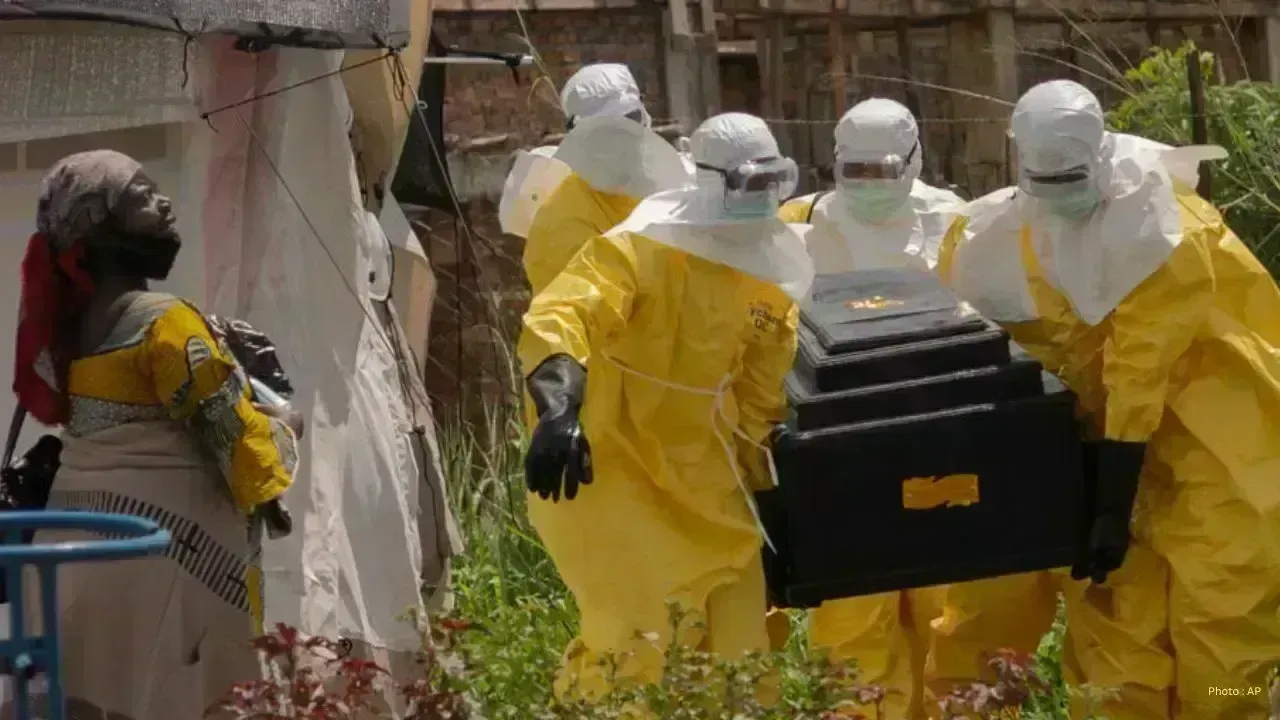
Health officials, alongside global aid organizations, are sounding the alarm that the outbreak of Ebola in central Africa has triggered a “race against time” as cases and suspected deaths continue to surge. According to the World Health Organization (WHO), the crisis is outpacing emergency response efforts, raising alarms regarding a potential humanitarian catastrophe.
The focus of the outbreak is primarily in the Democratic Republic of Congo (DRC), especially in the provinces of Ituri and North Kivu. Local health authorities report hundreds of suspected cases along with over 220 deaths attributed to the virus within recent weeks. The fear persists that actual figures may be even higher, as many remote regions remain inaccessible.
Tedros Adhanom Ghebreyesus, the WHO Director-General, noted that controlling this outbreak is hampered by various factors including rampant insecurity, inadequate infrastructure, and growing distrust amongst local populations. He emphasized that the epidemic's current pace is overshadowing the medical response, posing acute risks for the local inhabitants and surrounding nations.
Experts confirm that the outbreak encompasses the rare Bundibugyo strain of the Ebola virus. Unlike previous outbreaks, there is no fully endorsed vaccine available for this particular strain, further complicating efforts by healthcare professionals on the front lines. In their attempt to curb infections, health workers are predominantly employing supportive care, quarantine strategies, and contact tracing.
Healthcare facilities in eastern Congo face immense pressure as patient numbers soar. Many hospitals report shortages in medications, protective gear, and qualified personnel. Aid organizations highlight that armed conflicts in parts of eastern Congo severely impede the deployment of emergency resources.
Multiple attacks on healthcare sites have already been documented during the outbreak. In a particularly alarming event, treatment tents supported by humanitarian groups were set ablaze amidst civil unrest, compelling several Ebola patients to escape medical facilities. Experts caution that the movement of infected individuals between communities could significantly heighten transmission threats.
In response, neighboring countries have bolstered monitoring and screening at border points following the detection of cross-border Ebola cases. Uganda recently reported infections linked to travelers from Congo, elevating fears of a broader spread throughout Central and East Africa if containment measures fall short.
Governments across the continent and globally are reassessing their emergency preparedness strategies. Enhanced airport screenings, isolation plans, and hospital readiness are being prioritized, as health authorities brace for potential cases originating from international travel.
Ebola is acknowledged as one of the most lethal infectious diseases globally, transmitted through direct contact with infected bodily fluids, leading to rapid onset of severe illness, organ failure, and death. Common symptoms include fever, fatigue, vomiting, diarrhea, and internal bleeding. Historical outbreaks in Africa have resulted in thousands of fatalities and significant humanitarian crises.
Humanitarian organizations are urgently calling for international support, demanding increased funding, medical resources, security personnel, and trained health workers. Aid groups warn that procrastination could allow this outbreak to escalate into a far-reaching regional emergency, threatening millions.
Public health experts emphasize that community engagement will be crucial in curbing the outbreak. In several affected areas, misinformation and anxiety have led to resistance against medical personnel and vaccination initiatives. WHO officials highlight the necessity of rebuilding trust within communities to facilitate improved treatment efforts and mitigate the virus spread.
Analysts predict that the forthcoming weeks are pivotal in assessing whether health authorities can effectively contain the outbreak before it proliferates further across Africa. With infections on the rise and response systems under strain, international agencies collectively warn that the escalating Ebola situation in central Africa demands urgent global attention.


 English