Post by : Shweta
As the Ebola outbreak, primarily affecting Central Africa, gains momentum, nations worldwide are ramping up travel restrictions and health screenings. The Democratic Republic of Congo (DRC) and Uganda have emerged as hotspots, compelling governments to impose emergency measures to curb the virus's spread. Health officials emphasize the gravity of the situation, noting that Ebola is among the most lethal infectious diseases, transmitting rapidly through direct contact with infected individuals or contaminated surfaces.
The World Health Organization (WHO) has classified the outbreak as a significant international health threat, citing a rise in cases. The situation is further complicated by the emergence of the rare Bundibugyo strain, posing unique challenges for medical teams tasked with infection control. Authorities are now vigilantly monitoring international travel hubs, including border crossings and airports, linked to the impacted regions.
In the United States, officials have activated stringent travel regulations. Temporary restrictions have been placed on travelers from Ebola-stricken nations like the DRC, Uganda, and South Sudan. Health screenings have been amplified at major airports, with arrivals from these high-risk zones subjected to medical inquiries and temperature checks, all aimed at safeguarding public health and mitigating the outbreak.
Similarly, Canada has tightened its border actions, suspending some immigration applications connected to high-risk countries and alerting travelers about potential quarantine measures. Those returning from affected areas may be required to isolate for up to 21 days, according to Canadian health officials aiming to curb any potential importation of the virus.
In the Asia-Pacific region, Thailand has set a noteworthy precedent by enforcing mandatory quarantine measures for travelers from the outbreak zone. A 21-day quarantine aligns with the virus's incubation period, facilitating symptom monitoring before individuals interact in public settings. Additionally, enhanced health screening protocols and preparedness checks have been enacted at Thai airports.
Neighboring countries in Africa are also responding decisively. Uganda has restricted access at certain border points with the DRC, allowing only humanitarian and essential trade traffic. Kenya has ramped up health checks at its ports of entry while establishing isolation units in anticipation of potential cases. East African governments remain alert due to the intricacies of regional travel and cross-border movements.
Countries including India, Bahrain, Jordan, Mexico, and the Bahamas are issuing further travel advisories and implementing health screening measures. India has cautioned its citizens against unnecessary travel to Ebola-hit regions and is monitoring its international airports closely. Meanwhile, healthcare systems in various nations are being urged to remain vigilant in readiness for potential case influxes.
Despite escalating restrictions, the WHO has cautioned against total border closures or travel bans, warning that such actions could incite panic and lead travelers to unregulated crossings, complicating monitoring efforts. Instead, the WHO promotes enhancements in medical screenings, testing, and emergency healthcare preparedness.
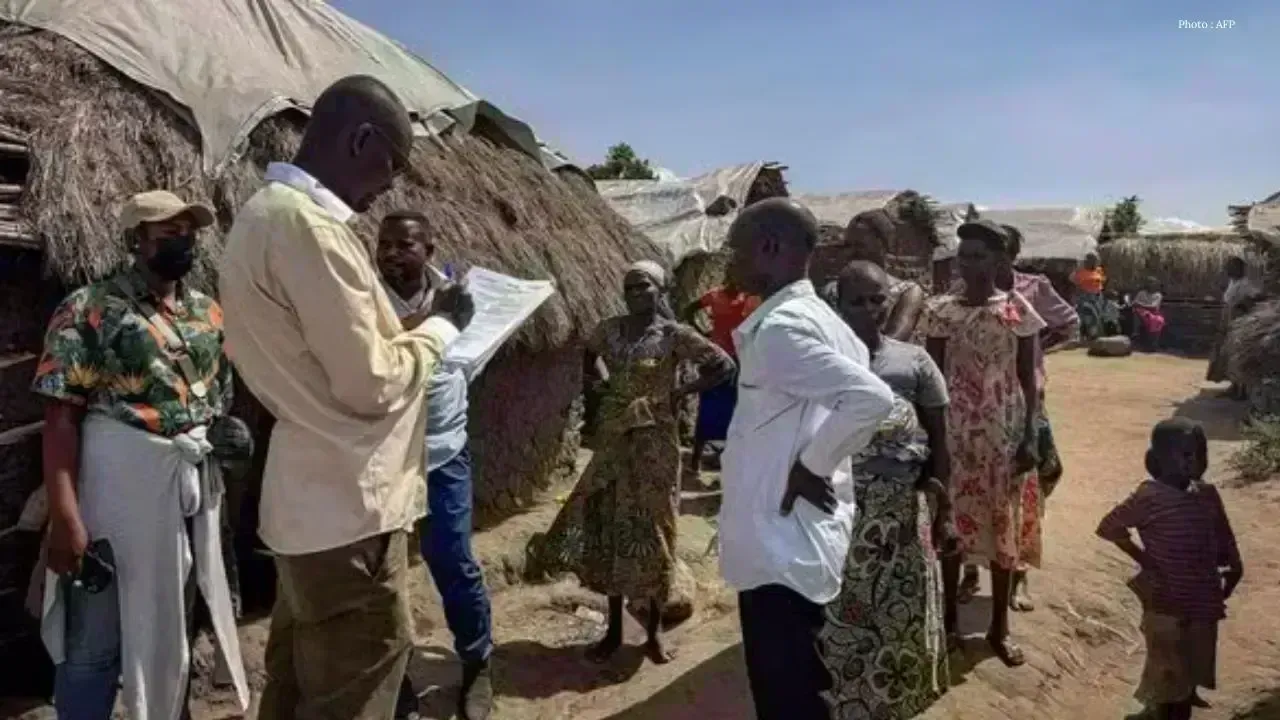
Health experts stress that the ongoing outbreak poses challenges exacerbated by inadequate healthcare systems, armed conflict, and population displacements within affected territories. Aid organizations report that violence in eastern Congo is disrupting medical efforts and hindering infection management. International health personnel continue to collaborate with local authorities to contain the outbreak.
The present outbreak echoes the catastrophic West African Ebola epidemic between 2014 and 2016, which claimed over 11,000 lives and led to a global health crisis. In a proactive attempt to prevent a similar calamity, governments are instituting travel checks, medical surveillance, and emergency response strategies. As developments unfold, nations are expected to reassess their border policies and health protocols in the weeks ahead.


 English