Post by : Mariam
Al-Faris
How to Keep Your Home Safe During Floods
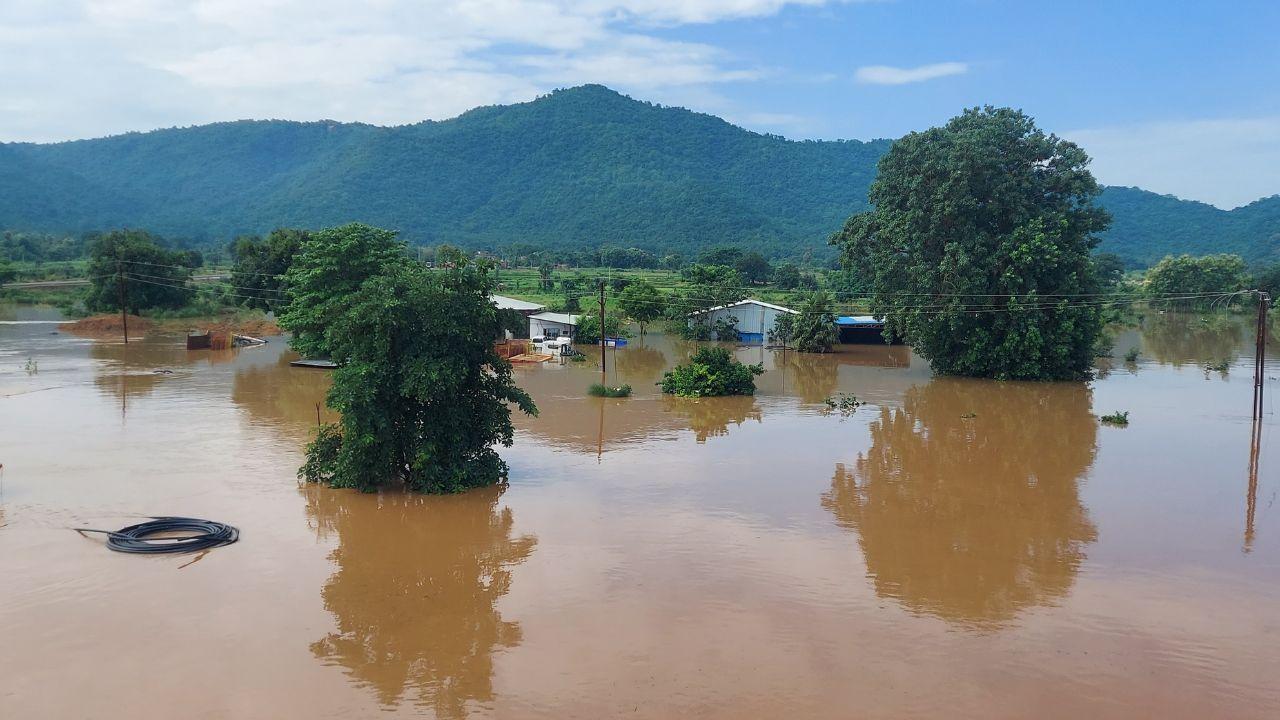
Floods are one of the most dangerous natural disasters. They can cause serious damage to homes, properties, and belongings. Heavy rain, rising rivers, or poor drainage systems can lead to floods, especially in areas that are low-lying or near water bodies. Protecting your home from flood damage is very important to keep your family safe and reduce financial losses. This article will explain simple and effective ways to make your home ready for floods.
Understand Flood Risks in Your Area
The first step to protecting your home is knowing the risk of floods where you live. Some areas are more prone to flooding because they are close to rivers, lakes, or the sea. Urban areas with poor drainage systems can also face floods after heavy rain. Knowing your area’s risk helps you plan better and take preventive actions. You can check local government maps, weather reports, and previous flood records to understand how likely floods are in your location.
Prepare an Emergency Plan
Having an emergency plan is important before a flood happens. This plan should include evacuation routes, emergency contacts, and safe locations. Make sure every family member knows what to do during a flood. Decide where to move valuable items and important documents. Keep a bag ready with essentials like water, food, medicines, flashlights, and important papers. Planning ahead reduces panic during emergencies and helps keep your family safe.
Elevate Important Items
Floodwaters can damage furniture, appliances, and personal belongings. One way to reduce damage is to elevate important items above possible flood levels. Move electronics, valuable documents, and furniture to higher floors or shelves. If your home has a basement, avoid storing important items there. Elevating items does not stop flooding, but it reduces losses and saves essential belongings.
Install Flood Barriers
Flood barriers or sandbags can protect your home from water entering. Place them at doors, windows, and other entry points where water may come in. Some modern homes use permanent flood barriers or shields that are easy to deploy during heavy rain. These barriers act as the first line of defense, preventing water from entering your home and causing major damage.
Protect Walls and Floors
Water can damage walls and floors if it enters your home. Painting walls with water-resistant coatings or using waterproof materials can reduce damage. Tiles, concrete, and treated wood are better options for floors in areas prone to flooding. For homes in flood-prone zones, raising the floor level slightly can also help prevent water from spreading indoors. Taking these steps makes your home more resilient to water damage.
Maintain Proper Drainage
Blocked drains and poor drainage systems increase flood risk. Regularly check gutters, pipes, and drainage channels to ensure water flows away from your home. Cleaning leaves, debris, and mud from drains before the rainy season prevents water from backing up. Proper drainage around your home reduces the chance of water accumulating and causing flood damage.
Secure Electrical Systems
Floodwater and electricity are a dangerous combination. If you live in a flood-prone area, it is important to protect electrical appliances and systems. Raise sockets, switches, and circuit breakers above the possible flood level. During heavy floods, turn off electricity to prevent accidents. This step helps avoid fires, shocks, and damage to appliances.
Use Flood-Resistant Materials
When building or renovating your home, using flood-resistant materials can make a big difference. Materials like concrete, tiles, treated wood, and waterproof paints can withstand water better than ordinary materials. Using these materials in basements, walls, and flooring reduces long-term damage and repair costs. Investing in flood-resistant construction is a smart step for homes in high-risk areas.
Keep Important Documents Safe
Floods can destroy valuable papers like property deeds, identification, insurance papers, and financial records. Keep these documents in waterproof containers or digital copies stored securely online. Having backups ensures you do not lose critical information during a flood. Keeping documents safe also helps in faster recovery after flood damage.
Have Insurance for Floods
Home insurance that covers floods is very useful. In many cases, regular insurance does not cover flood damage, so check with your insurance provider. Flood insurance can help recover losses, repair damages, and replace lost items. While it cannot prevent floods, it provides financial protection and peace of mind.
Stay Informed During Floods
During the rainy season, it is important to stay updated with weather alerts. Use local news, weather apps, and government notifications to know about heavy rain, rising water levels, or evacuation orders. Early information allows you to take timely action, move valuables to higher ground, and prepare your home for the flood. Staying informed reduces risks and improves safety.
After the Flood
Even after the water goes down, your home may need repairs and cleaning. Check for water damage, mold, and electrical issues before using the home fully. Remove wet carpets, dry walls, and clean furniture properly. Inspect plumbing and electrical systems for safety. Proper post-flood care prevents long-term damage, health issues, and mold growth in your home.
Conclusion
Floods are unpredictable, but with proper preparation, you can protect your home and family. Understanding flood risks, having an emergency plan, elevating important items, installing barriers, maintaining drainage, using flood-resistant materials, securing electrical systems, and staying informed are all essential steps. Insurance and proper post-flood care also help reduce losses. By following these practices, you can keep your home safe and minimize the damage caused by floods. Preparing your home today ensures safety, reduces stress, and saves money in the future.
Disclaimer
The information provided by GCC News 24 is for general awareness only. We do not guarantee accuracy or completeness. Readers should take necessary precautions and verify details independently. GCC News 24 is not responsible for any loss, damage, or consequences resulting from actions taken based on this content.


 English