Post by : Samir
Qureshi
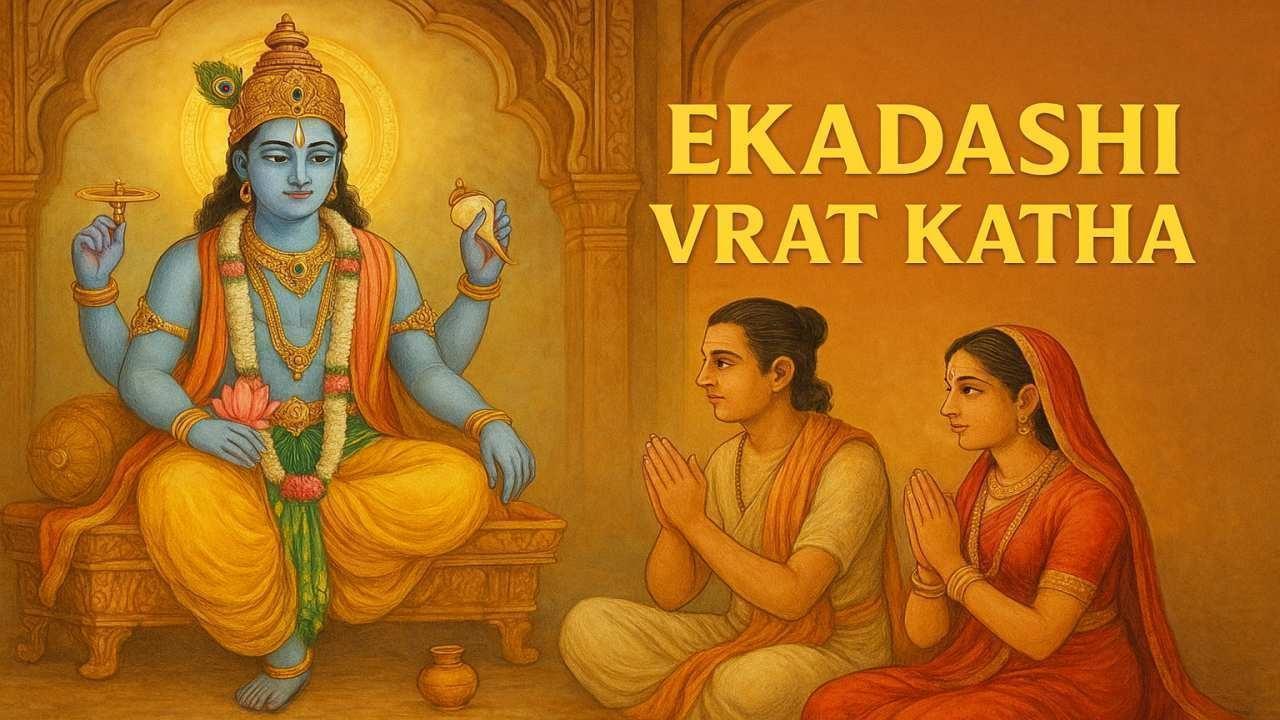
What is the Ekadashi Vrat Katha?
In Hindu culture, Ekadashi falls on the eleventh day of the lunar cycle, a time when devotees engage in fasting and prayer to purify both body and spirit. The Ekadashi Vrat Katha comprises sacred narratives shared during these observances, illustrating the history, significance, and benefits of fasting on Ekadashi. These tales reveal how adherence to faith and critical self-discipline can greatly enhance one's life.
More than mere religious lore, the katha serves as a vital link between spiritual wisdom and everyday living, guiding practitioners toward a life of mindfulness and alignment with spiritual values.
The Profound Significance of Ekadashi
Ekadashi transcends simply abstaining from food; it symbolizes a deep commitment to self-control and submission to the divine will. Each Ekadashi throughout the lunar calendar narrates unique stories that emphasize moral lessons like truthfulness, patience, forgiveness, and compassion.
The practice encourages devotees to disconnect from worldly attachments and embrace introspection. Engaging in fasting while reading or listening to the Ekadashi Vrat Katha allows individuals to cultivate shraddha (faith) and niyam (discipline)—two essential aspects of a spiritually grounded life.
Strengthening Faith Through Ekadashi Vrat Katha
The essence of katha lies in its narrative power. Listening to divine stories during these fasts nourishes the heart with devotion and confidence in the higher powers that shape our existence.
-
Moral Reflections: Each katha offers a lesson, reminding us that genuine devotion can triumph over even the most difficult obstacles.
-
Building Faith Through Recollection: The regular recitation of the same story fosters deeper faith through familiar listening experiences within the community.
-
Strengthened Divine Connection: The act of fasting while absorbing sacred tales deepens one's relationship with Lord Vishnu, the deity often honored during Ekadashi.
Such practices help transform belief from mere intellectual knowledge into genuine conviction.
Cultivating Discipline Through Ekadashi Fasting
Ekadashi fasting, also known as Ekadashi vrat, represents an intentional exercise in restraint. It demands both physical and mental discipline, imparting lessons that stretch well beyond a single day of practice.
Physical Dimension
Devotees typically avoid grains, pulses, and dense foods, choosing either complete fasting or a phalahari (fruit-based) or jalhari (water-based) variant. This deliberate abstinence trains the body to align with the will over sensory indulgence.
Mental Dimension
Fasting quiets the mind, as physical desires diminish and awareness sharpens. Many use this time for meditation, scripture reading, or chanting. Such focused activities promote mental discipline, teaching practitioners to favor calmness over distractions.
Spiritual Benefits and Inner Transformations
The stories accompanying each Ekadashi illuminate not just external adherence but also inner metamorphosis. The fasting experience unfolds as a metaphor for cleansing, letting go of negativity, ego, and restlessness.
Spiritually, observing Ekadashi vrat is believed to:
-
Enhance clarity and concentration.
-
Fortify willpower through repeated self-restraint.
-
Augment devotion and faith in the divine order.
-
Promote a lifestyle of gratitude and simplicity.
Consistency in these practices weaves discipline into everyday life, transforming spirituality from a sporadic ritual into a living habit.
Incorporating Ekadashi Into Modern Life
While contemporary life may limit the strict adherence to traditional rules, the essence of Ekadashi can easily fit into modern schedules.
-
Advance Planning: Check your calendar for upcoming Ekadashi dates.
-
Mindful Preparation: Set a clear intention for your fast—be it seeking peace, forgiveness, or gratitude.
-
Simplifying Meals: Steer clear of grains and heavy foods; fruits, milk, and nuts can serve as sustenance.
-
Engage Spiritually: Delve into the Ekadashi Vrat Katha narratives, chant Vishnu mantras, or visit a temple.
-
Practice Generosity: Assist others, donate, or share food with those in need.
A simplified yet sincere observance brings balance, humility, and spiritual satisfaction.
Preserving Tradition Through Storytelling
Each Ekadashi throughout the year—like Mokshada, Kamika, Putrada, or Nirjala—carries its own unique narrative. These kathas often recount tales of kings, sages, or devotees who emerged victorious through dedication and discipline.
Communities keep this spiritual rhythm alive by sharing these tales in homes and temples. Parents narrate them to children, priests share them with attendees, ensuring that the wisdom of the past stays relevant in modern life.
The timeless lesson embedded in every katha is clear: Faith provides direction, and discipline offers strength.
Spiritual Wisdom and Important Consideration
The Ekadashi Vrat Katha imparts a powerful lesson: true spirituality is rooted in harmony—a balance between faith and discipline. The act of fasting becomes not a limitation but a deliberate expression of devotion that purifies the body, refines thoughts, and awakens the spirit.
By committing to Ekadashi with dedication, one can learn to navigate life with intent, purity, and tranquility. The transformative power of the katha extends beyond the mere words; it becomes a catalyst for change within the listener.
Important Consideration
This article is meant for spiritual and cultural understanding. Fasting and religious practices may vary based on personal traditions, regional customs, and health needs. Those with medical concerns should seek advice from a healthcare professional before engaging in any fasting rituals. This piece aims to provide knowledge and inspiration, not prescribe religious or medical practices.
Disclaimer
This content serves spiritual and educational purposes. Fasting methods differ according to cultural tradition, health, and individual capabilities. Those with health conditions should consult a qualified expert before observing any fast. The intention is to convey moral and cultural insights, distinct from medical or theological guidance.


 English