Post by : Shweta
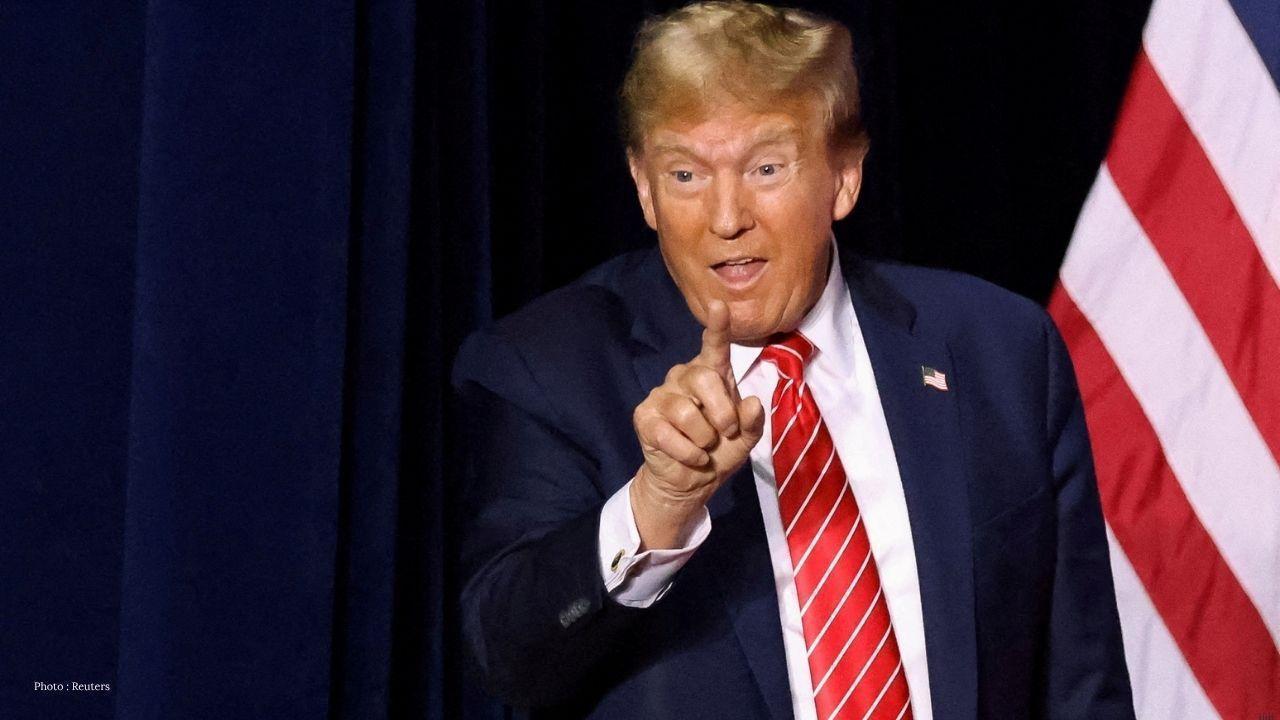
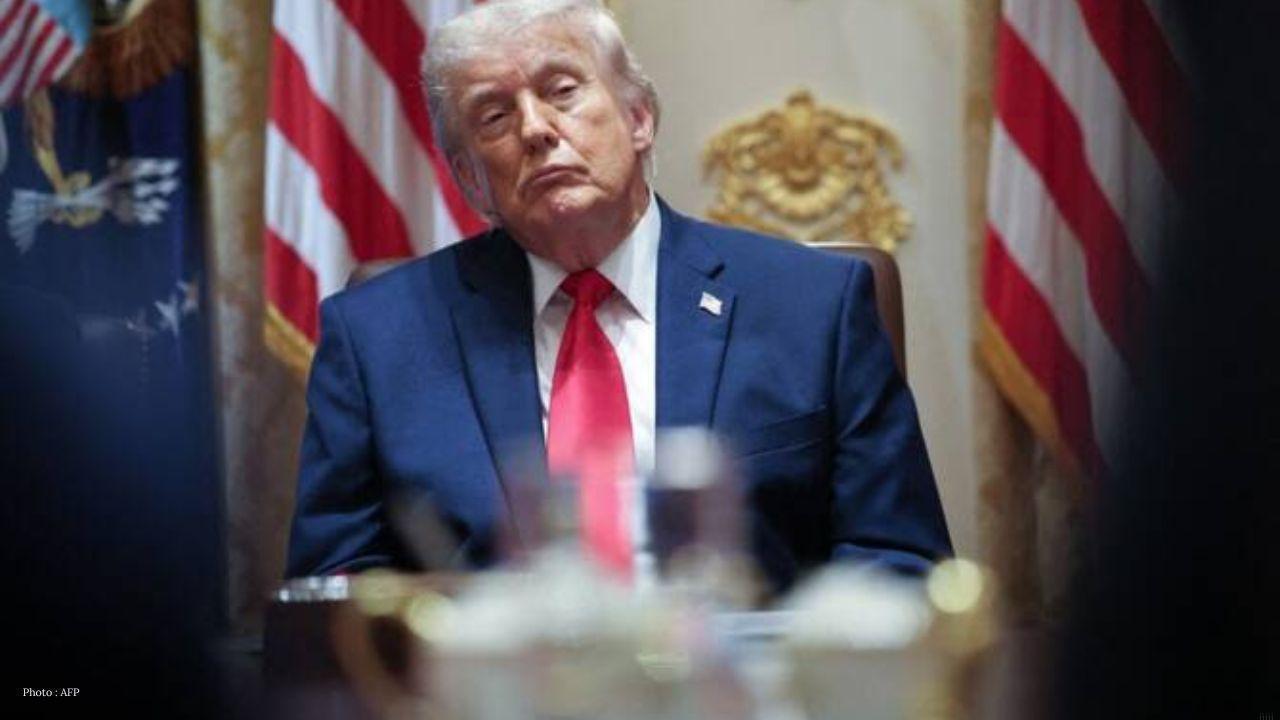
President Trump declared that the U.S. will terminate its naval blockade in the Strait of Hormuz, a vital passage for global energy shipments. This shift signifies a notable alteration in U.S. military involvement in the region, coinciding with efforts to ease Middle Eastern tensions.
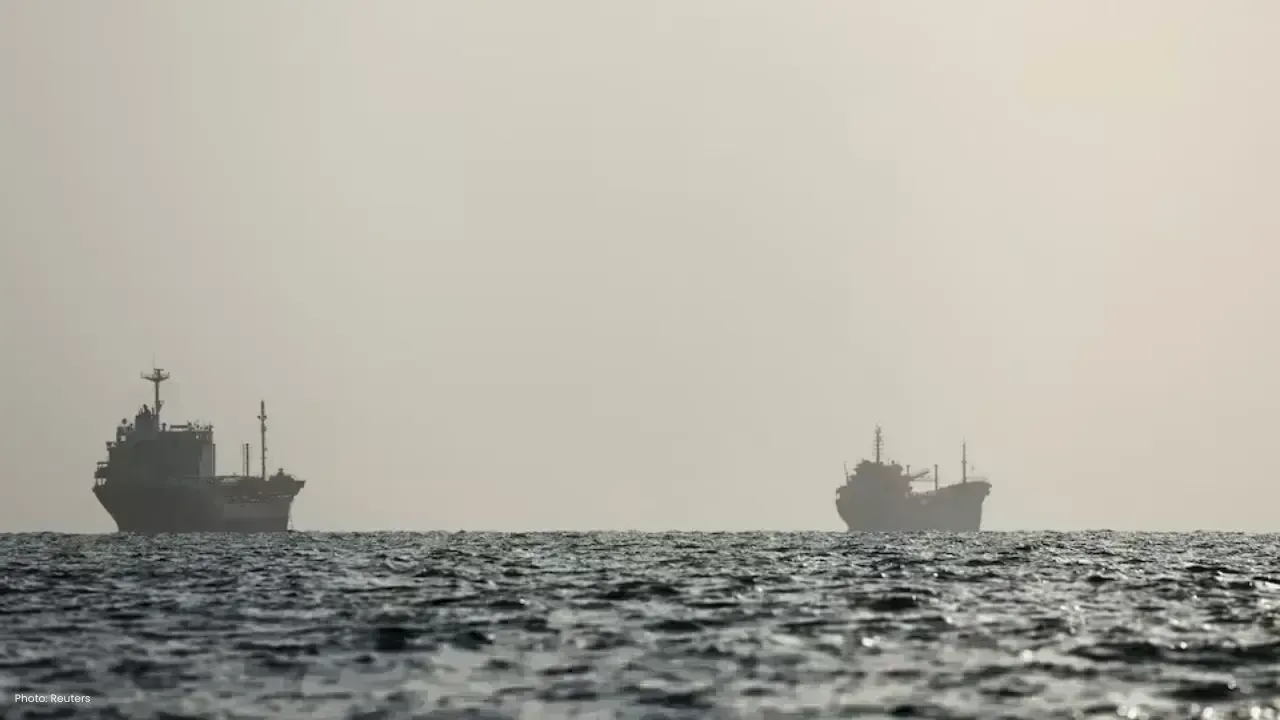
The Strait of Hormuz connects the Persian Gulf with international waters and is crucial for a significant portion of the world's oil and gas exports. Given its role in the global energy economy, any military incidents or disruptions here garner international scrutiny and can impact oil prices significantly.
In his remarks, Trump stated that the U.S. had fulfilled its primary security goals, rendering the blockade unnecessary. The administration contended that conditions in the region had improved, and this decision aims to minimize the threat of military escalation while promoting safe navigation for commercial vessels.
U.S. officials confirmed that while naval blockade operations will cease, American forces will still monitor the area and stand ready to address any threats to international shipping lanes. They clarified that this does not imply a full withdrawal of U.S. military assets from the region, as American warships will continue their routine security patrols alongside regional partners.
The announcement has elicited varied responses from the global community. Proponents argue that de-escalating military presence could foster diplomatic dialogue among Middle Eastern nations, emphasizing the importance of communication in achieving lasting stability.
Conversely, some security experts express concerns over the implications for regional security, emphasizing that vigilance remains critical to ensure the safety of vessels traversing this essential trade route.
Energy markets are closely tracking the situation post-announcement, as developments in the Strait of Hormuz could sway global oil prices, given that a large percentage of international crude oil flows through the area daily. Traders are advised to stay alert to shifting security dynamics and regional governmental responses.
The Trump administration framed this decision as part of a wider strategy aiming to balance military readiness with diplomatic initiatives. Officials affirm that the U.S. is committed to ensuring the safety of international shipping and promoting regional stability without unnecessary military engagements.
As the international community exerts its analysis on the ramifications of this announcement, the ending of U.S. naval blockade operations is set to dominate conversations regarding Middle Eastern security, global energy markets, and U.S. foreign policy in the coming months.


 English