Post by : Shweta
The humanitarian organization Doctors Without Borders (MSF) has significantly enhanced its emergency measures in the Democratic Republic of the Congo (DRC) amidst a rapidly escalating Ebola outbreak. New developments have raised alarms among healthcare professionals and global entities, prompting immediate interventions to curtail the spread of this lethal disease.
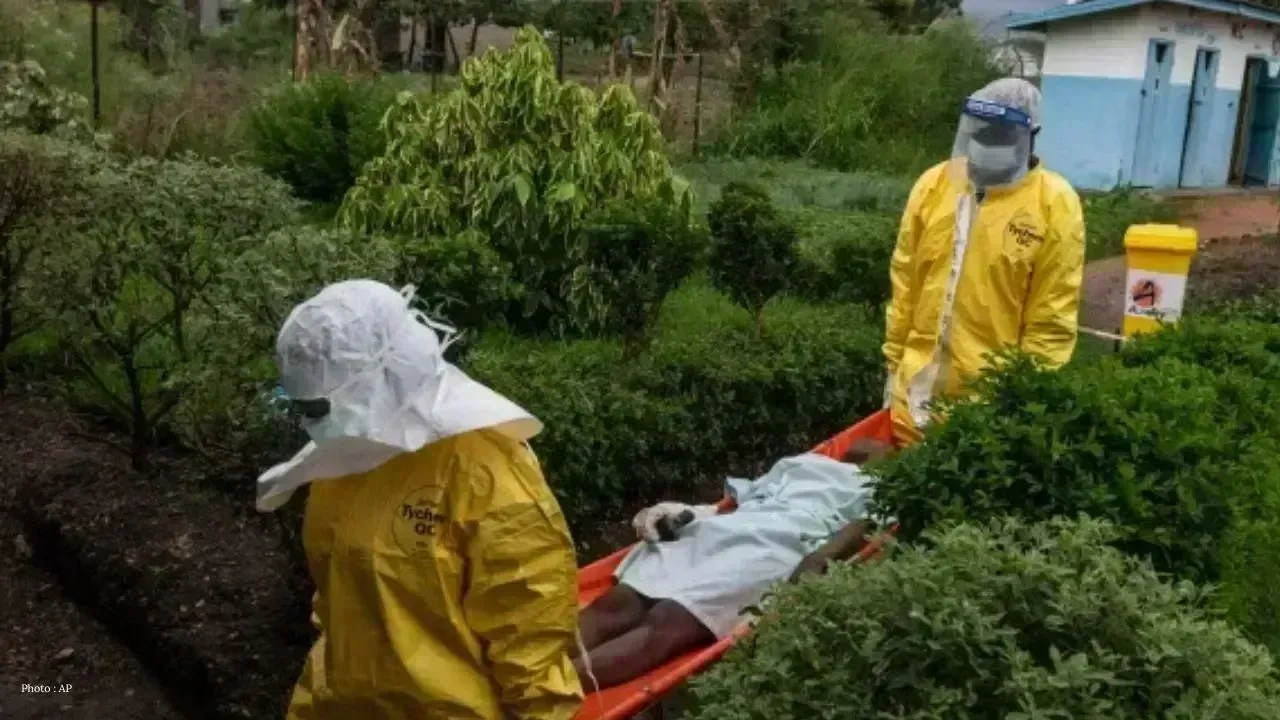
Per MSF's reports, the outbreak has advanced swiftly, necessitating the deployment of additional medical personnel, treatment centers, and enhanced disease monitoring strategies in affected regions. Collaborative efforts with local authorities and partners aim to identify fresh cases, conduct contact tracing, and administer care to those infected. The organization has emphasized that timely action is essential to avert further contamination into neighboring communities.
Ebola is an acute and frequently deadly virus transmitted through direct contact with the bodily fluids of infected people or contaminated surfaces. Symptoms generally encompass fever, fatigue, muscle aches, vomiting, diarrhea, and in severe instances, both internal and external hemorrhaging. Early recognition and immediate treatment greatly improve survival rates while minimizing transmission.
MSF representatives have indicated that response teams are now assisting local medical facilities, which are under escalating strain as case numbers surge. Resources are being allocated to bolster laboratory diagnostics, refine patient isolation protocols, and ensure healthcare personnel have adequate protective gear. Additionally, community outreach initiatives are being broadened to inform locals about recognizing symptoms, prevention techniques, and the necessity of prompt medical attention.
Experts caution that controlling Ebola outbreaks can prove especially tough in remote areas where healthcare access is minimal. Challenges such as population movement, transportation hurdles, and public skepticism towards health authorities complicate case identification and isolation efforts. Consequently, response teams are heavily prioritizing community involvement and educational campaigns.
The DRC has encountered multiple Ebola outbreaks over several decades, developing extensive expertise in managing the illness. Nonetheless, officials highlight that every outbreak poses distinct challenges requiring swift, coordinated reactions. Vaccination initiatives, contact tracing, and public health education remain vital in minimizing the virus's spread.
Global health agencies continue to closely observe the evolving situation. Experts affirm that while Ebola presents grave risks in impacted areas, timely and effective public health measures can contain outbreaks. The contributions from MSF and other humanitarian entities are anticipated to be pivotal in reinforcing the response efforts.
As officials strive to control the outbreak, healthcare teams remain dedicated to preventing new infections and shielding vulnerable populations. The next few weeks are crucial in gauging the effectiveness of containment efforts and assessing if further international support will be necessary.


 English