Post by : Mariam
Al-Faris
Photo: WAM
The total economic output, or Gross Domestic Product (GDP), of the Gulf Cooperation Council (GCC) countries increased by 3.3% at the end of the fourth quarter of 2024. This means the total value of goods and services produced by these countries went up. The GDP at constant prices reached USD 456.3 billion, compared to USD 442.3 billion in the same quarter of the previous year, which was Q4 of 2023. This steady increase shows that the economies of the GCC countries are growing.
What GDP at Constant Prices Means
GDP at constant prices means the value of a country’s economic production is measured without being affected by inflation. This helps give a clearer picture of real growth by removing the impact of rising prices. So, when we say the GDP grew by 3.3%, it reflects the true increase in the volume of goods and services produced—not just a rise in prices.
GCC Countries in the Report
The GCC includes six countries: the United Arab Emirates, Saudi Arabia, Qatar, Kuwait, Bahrain, and Oman. These countries have formed a strong economic group in the Arabian Gulf region. They often share similar economic goals, especially in sectors like oil, trade, infrastructure, and development. Reports like this are important to understand how well these economies are doing.
Growth Driven by Non-Oil Activities
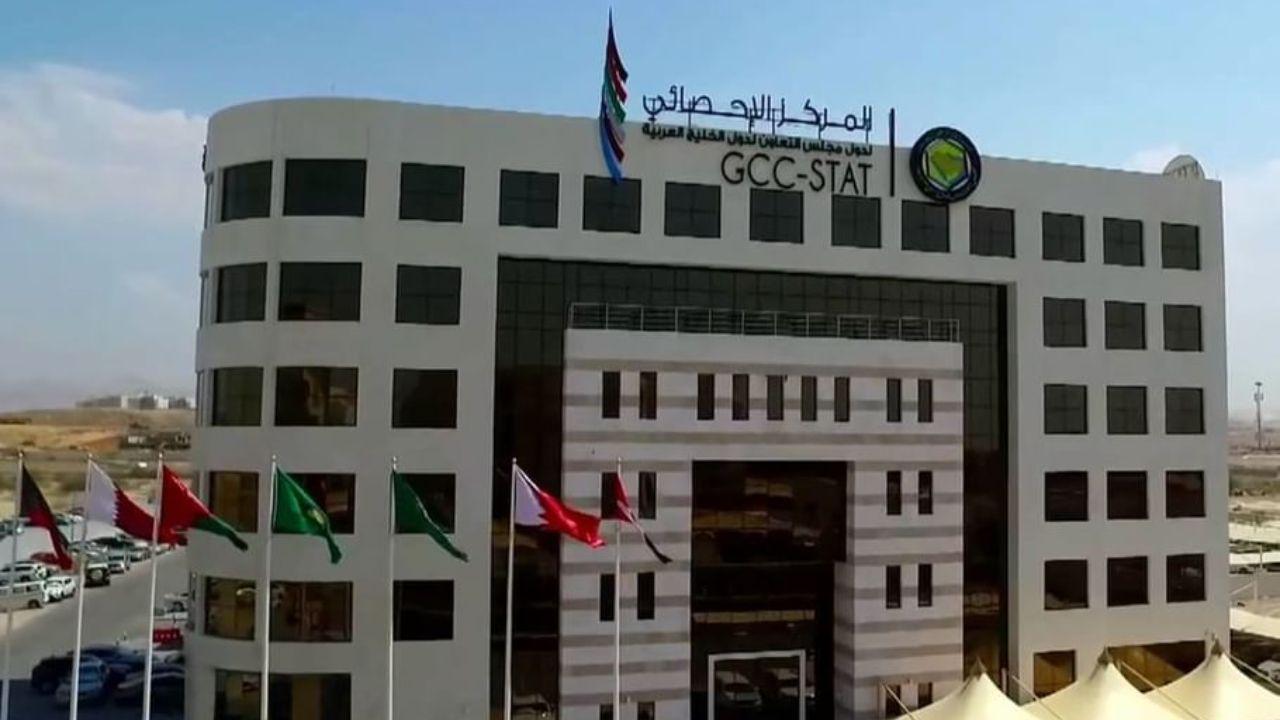
According to the Statistical Centre for the Cooperation Council for the Arab States of the Gulf (GCC STAT), most of the GDP in the fourth quarter of 2024 came from non-oil sectors. These include industries like construction, manufacturing, real estate, transport, financial services, tourism, and other businesses not related to oil.
In fact, non-oil activities contributed 70.6% of the total real GDP of the GCC in Q4 2024. This shows that the region is becoming less dependent on oil and is growing in other areas. This is a good sign for long-term economic health, especially as the world moves towards cleaner energy and reduces oil consumption.
Oil Activities Still Important
While non-oil sectors made up most of the GDP, oil activities still played a big part, contributing 29.4% of the total. This includes crude oil production, refining, and related services. Even though the oil sector’s share has decreased compared to past years, it still plays a major role in the economy of the Gulf countries. Oil revenues are used to fund government budgets and support national development plans.
Quarterly Growth Also Recorded
Not only did the GCC’s GDP grow over the year, but there was also growth within the last three months of the year. The real GDP of the GCC countries increased by 1% in the fourth quarter of 2024 compared to the third quarter. In Q3 2024, the GDP was USD 452.2 billion, and it rose to USD 456.3 billion in Q4. This quarterly growth shows that the economy was improving even in the short term.
Why This Growth Matters
Economic growth is important for many reasons. When GDP increases, it usually means businesses are doing well, more jobs are being created, and people may have higher incomes. Governments also collect more taxes, which they can use to improve public services like education, health, and transport.
In the case of the GCC, growth in non-oil activities is especially important. These countries have been working hard on economic plans to reduce their reliance on oil and build a more balanced and sustainable economy. This includes investments in technology, tourism, education, and green energy.
Vision Plans and Economic Diversification
Most of the GCC countries have launched long-term plans, such as Saudi Arabia’s Vision 2030, UAE’s Centennial 2071, and Qatar National Vision 2030. These plans aim to reduce oil dependency and support the growth of new industries. The recent statistics showing strong performance in non-oil sectors reflect that these plans are beginning to work. Governments are encouraging private sector growth, digital transformation, and innovation.
The Role of Trade and Tourism
Trade and tourism have also played a big role in supporting non-oil GDP growth. Cities like Dubai, Doha, and Riyadh have become regional business hubs. Major events, exhibitions, and conferences attract visitors and investors from all over the world. In 2024, tourism returned to high levels after the effects of the pandemic, and this boosted retail, transport, hotels, and restaurants—adding to GDP.
Investments in Infrastructure and Services
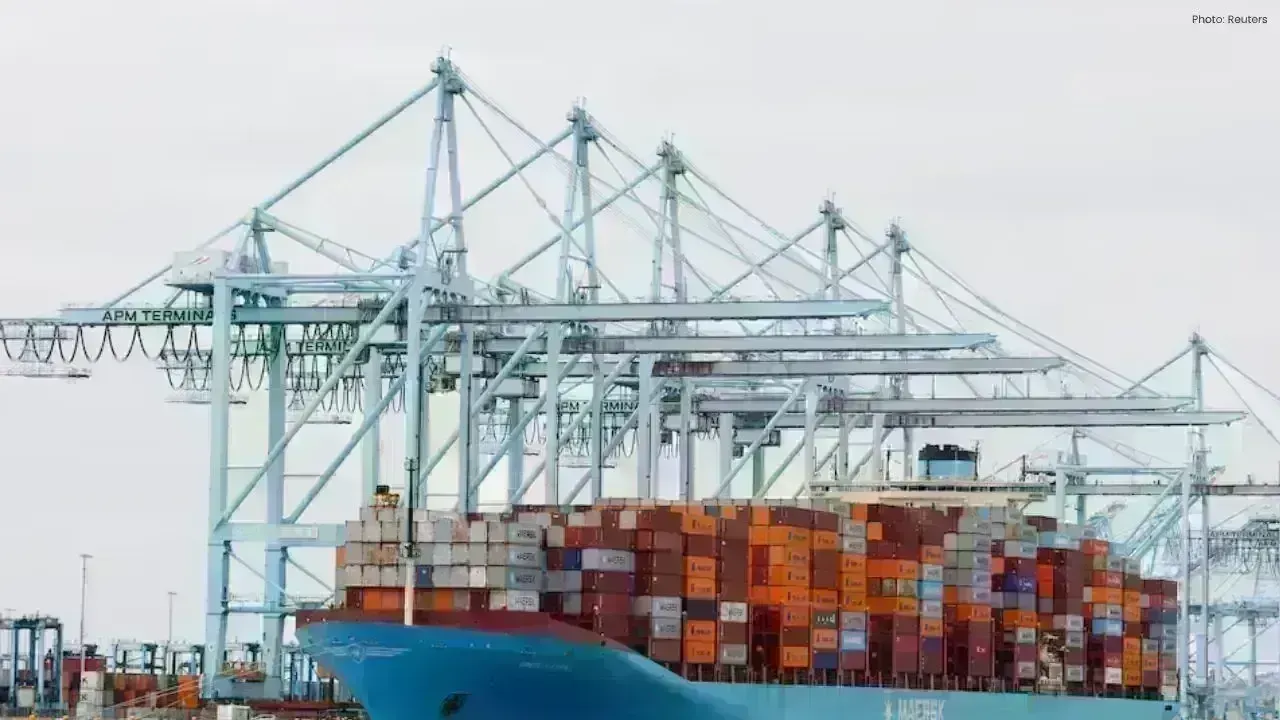
Governments in the GCC continue to invest heavily in infrastructure projects, such as roads, railways, ports, and airports. These investments not only improve living standards but also help grow the economy by supporting industries like construction, logistics, and real estate. The growth in these sectors during Q4 2024 reflects the impact of such investments.
A Balanced Economic Future
The GDP numbers show that the GCC countries are on the right path towards economic diversification. Even though oil still plays a key role, especially in revenue generation, the non-oil sectors are becoming more important in creating jobs and supporting stable growth. This balance is crucial for future development.
If this trend continues, we can expect further improvements in the economies of the Gulf countries. By continuing to support non-oil industries and investing in future technologies, the GCC can build a more stable and resilient economy that can face global challenges such as climate change, changing energy demands, and economic shifts.
Governments will likely continue promoting private sector growth, foreign investment, innovation, and education to support this transformation.


 English