Post by : Mariam
Al-Faris
Photo: WAM
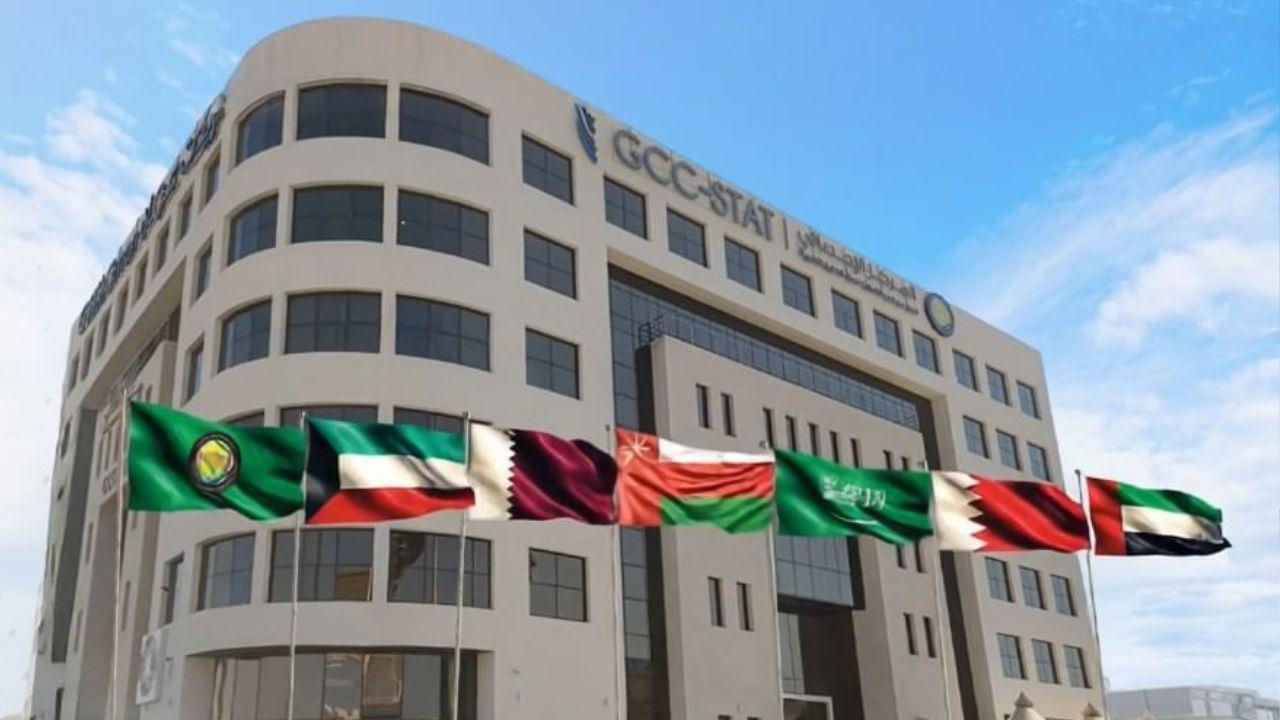
The population of the Gulf Cooperation Council (GCC) countries reached 61.2 million people by the end of 2024, according to the latest report from the Statistical Centre for the Cooperation Council for the Arab Countries of the Gulf (GCC-Stat). This number reflects a growth of over 2.1 million people compared to 2023, signaling a significant recovery in population trends after the slowdown caused by the COVID-19 pandemic.
These new statistics were released in observance of World Population Day, which is celebrated globally every year on July 11th. The occasion was chosen to share important insights about population trends in the Gulf region and how they have evolved over the years.
According to the GCC-Stat data, the population of the region has been on a steady rise since 2021. In just three years, from 2021 to 2024, the population increased by approximately 7.6 million people. This represents a total growth rate of 14.2 percent, a clear indicator that the region has bounced back quickly from the population stagnation experienced during the pandemic period.
This swift rise in population across the Gulf region highlights not only natural growth but also a return in the influx of expatriate workers, many of whom had left or been affected during the pandemic due to job losses or travel restrictions. As economies across the GCC reopened and resumed large-scale development projects and public services, the demand for labor and professionals rebounded sharply, contributing to the population increase.
Population Makes Up 0.7% of the Global Total
One of the more interesting findings of the report is that the total population of all six GCC countries combined represents just 0.7 percent of the global population. Even though this is a small share compared to the world’s total population, the economic and political influence of the GCC countries remains large due to their oil wealth, global investments, and regional leadership roles.
Gender Breakdown: Males Outnumber Females
The gender distribution in the GCC continues to reflect the region’s reliance on male labor. As of 2024:
-
The total number of males in the GCC was around 38.5 million, making up 62.8 percent of the total population.
-
The number of females was approximately 22.7 million, which is about 37.2 percent of the total.
This means that for every 100 females, there were 169 males. This is a much higher ratio compared to the global average sex ratio, which stands at about 101 males per 100 females.
This unusual gender balance is largely due to the high number of male expatriate workers who live and work in GCC countries, particularly in industries like construction, transport, security, and oil services. These sectors often hire men in large numbers from countries such as India, Pakistan, Bangladesh, the Philippines, and African nations.
Why These Numbers Matter
Population data is not just about counting people. It helps governments and planners make informed decisions about
In the GCC, population figures are also important for tracking economic diversification, as most countries in the region are trying to reduce their dependence on oil by building knowledge-based and service-oriented economies. A young and growing population can be an asset if properly educated and employed.
Moreover, the continued gender imbalance may require attention in terms of community planning, labor regulations, and social policy. Many initiatives are already in place to encourage more female workforce participation, improve family services, and support nationalization programs that aim to give local citizens more presence in the job market.
The Bigger Picture—Urban Growth and Challenges
As the population grows, so do the urban areas of GCC cities. Cities like Dubai, Riyadh, Doha, and Muscat are expanding rapidly, building more housing, roads, public transportation, hospitals, and schools. But with rapid urbanization comes the need to plan smartly—especially for sustainability, environmental conservation, and efficient use of resources.
Managing waste, water, energy, and air quality becomes more challenging as population density increases. That’s why population data is a key input into broader strategies like Vision 2030 in Saudi Arabia or Qatar National Vision 2030, which aim to balance growth with quality of life.
Looking Ahead
The rising population of the GCC shows that the region remains an attractive hub for economic activity, investment, and employment. Countries across the Gulf are expanding efforts to improve quality of life for both citizens and expatriates.
It is also a sign that post-COVID recovery is well underway. The return of international workers, investors, and tourists is helping rebuild economies. It also means that governments must continue investing in healthcare, education, and housing to keep up with growing demands.
At the same time, new policies may be needed to balance gender ratios, support female workers, and promote family stability across different communities.


 English