Post by : Sami
Al-Rahmani
Understanding Sushi: Nigiri, Maki, Sashimi, Uramaki and Temaki
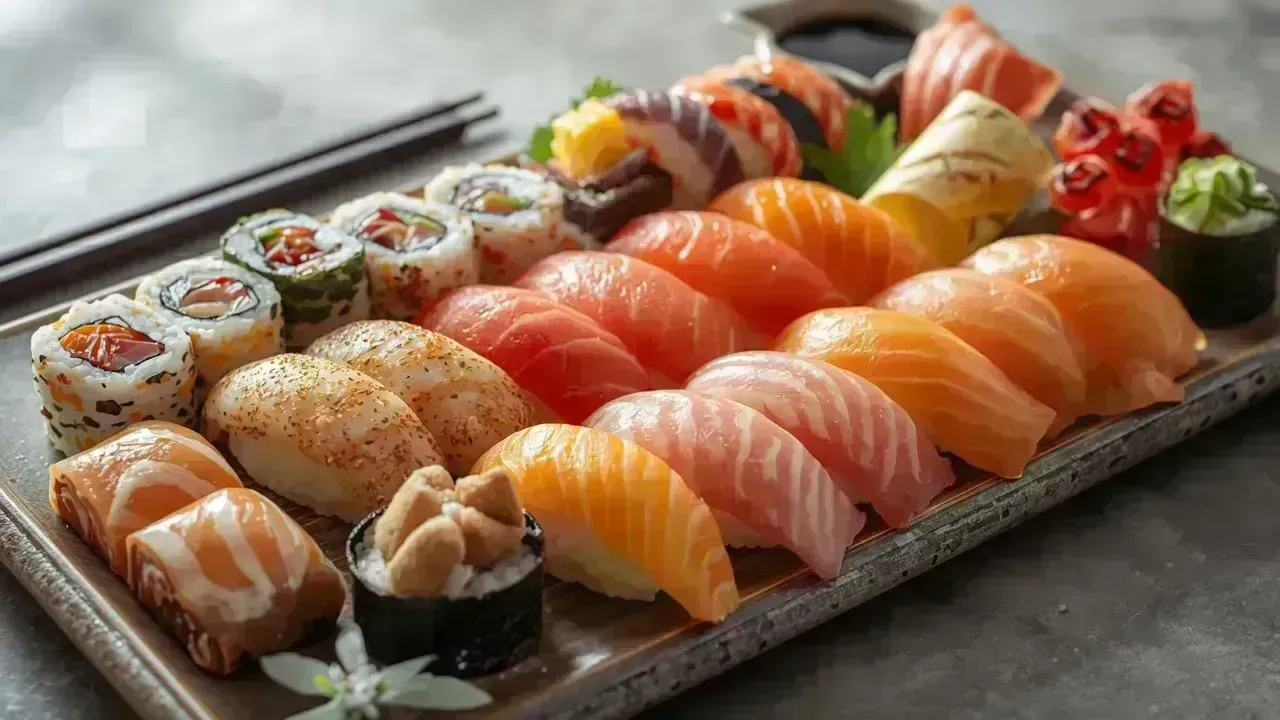
Sushi holds a special place in Japanese cuisine, yet many outside Japan find it perplexing. It's a broad category that centers around vinegared rice paired with seafood, veggies, or other toppings. Familiarity with the main types of sushi ensures you can order with confidence and appreciate the craftsmanship involved. This guide highlights Nigiri, Maki, Sashimi, Uramaki, and Temaki, explaining their distinctions and ideal tasting moments.
Defining Sushi
Sushi is characterized by seasoned rice, not by raw fish. The rice is prepared with vinegar, sugar, and salt, creating a pleasing tang. While some sushi variations incorporate rice, such as nigiri, others like sashimi do not but are often featured on sushi menus. The perfect harmony of rice, toppings, texture, and freshness defines excellent sushi.
Nigiri Sushi Overview
Nigiri is one of the oldest and most esteemed sushi styles.
Consisting of a hand-formed oval of sushi rice topped with a slice of fish or seafood, the topping may be raw, cooked, or smoked.
Common choices range from tuna to eel and scallops.
Nigiri emphasizes simplicity, letting the fish flavors shine through.
It's typically enjoyed in one bite, dipped fish-side down in soy sauce to prevent soaking the rice.
Ideal for newcomers, it offers a classic sushi experience.
Maki Sushi Overview
Maki refers to the rolled sushi that is wrapped in seaweed.
The process involves spreading rice on nori, layering fillings, and rolling it into a sliced cylinder.
Typical fillings are a mix of fish and vegetables.
Popular varieties include cucumber rolls and tuna rolls.
Maki is visually appealing and easy to eat, making it a favorite beyond Japan.
This type is perfect for sharing and suits those who prefer a variety of flavors.
Sashimi Explained
While sashimi often appears on sushi menus, it is not sushi due to the absence of rice.
This dish features thin slices of raw fish or seafood, served alone.
Usual choices encompass tuna, salmon, and octopus.
Sashimi prioritizes freshness, texture, and expert knife skills.
It's typically enjoyed with soy sauce and a hint of wasabi.
Best suited for seafood enthusiasts who appreciate unadulterated fish flavors.
Uramaki Sushi Overview
Uramaki is also known as inside-out sushi.
In this style, the rice is positioned outside, encasing the seaweed and fillings within.
The outer layer is often garnished with sesame seeds or fish roe.
California rolls exemplify this style and have gained popularity, especially in America, for approachability.
Perfect for beginners drawn to milder tastes.
Temaki Sushi Overview
Temaki is crafted as a hand-rolled sushi shaped like a cone.
Using seaweed, rice, and various fillings, it resembles an ice-cream cone.
Best eaten immediately and typically by hand.
Ingredients may include fish, veggies, rice, and sauces.
Because it’s made fresh and not sliced, temaki brings a casual and fun dining experience, ideal for informal gatherings.
Key Distinctions Among Sushi Types
Nigiri represents the perfect harmony of rice and fish.
Maki captures variety and blend.
Sashimi stands out by emphasizing the quality of the fish.
Uramaki showcases creative layers of flavor.
Temaki provides a spontaneous and fresh dining moment.
Each offers unique experiences based on personal preferences and dining contexts.
Best Sushi Options for Beginners
Maki and uramaki are generally the easiest for newcomers, often featuring familiar cooked or veggie fillings.
Nigiri is suited for those aiming to delve into traditional sushi.
Sashimi appeals to adventurous seafood connoisseurs.
Temaki is perfect for casual meals and trying diverse fillings.
Common Sushi Etiquette
Enjoy sushi with hands or chopsticks.
Dip nigiri fish-side down into soy sauce.
Wasabi is usually added by the chef, as too much can mask the fish's flavor.
Sushi is best enjoyed promptly after serving.
Ginger serves to cleanse the palate and should not be placed directly on sushi.
Sushi Outside Japan vs Traditional Sushi
Internationally, sushi menus often skew towards elaborate rolls with various sauces.
Conversely, sushi in Japan tends to spotlight the fish more prominently.
Both styles are valid, but knowing the differences can help set expectations while dining globally.
Conclusion
Sushi is a complex and varied culinary art, transcending a single dish. Nigiri celebrates tradition, maki offers balance, sashimi highlights purity, uramaki brings innovation, and temaki presents a casual experience. Understanding these nuances empowers you to order confidently and relish sushi as it is meant to be enjoyed.
Disclaimer
This article is for informational purposes only. Variations in sushi preparation and ingredients may occur across different regions and establishments. Always consider personal dietary preferences and food safety when consuming raw seafood.


 English