Post by : Saif
Al-Najjar
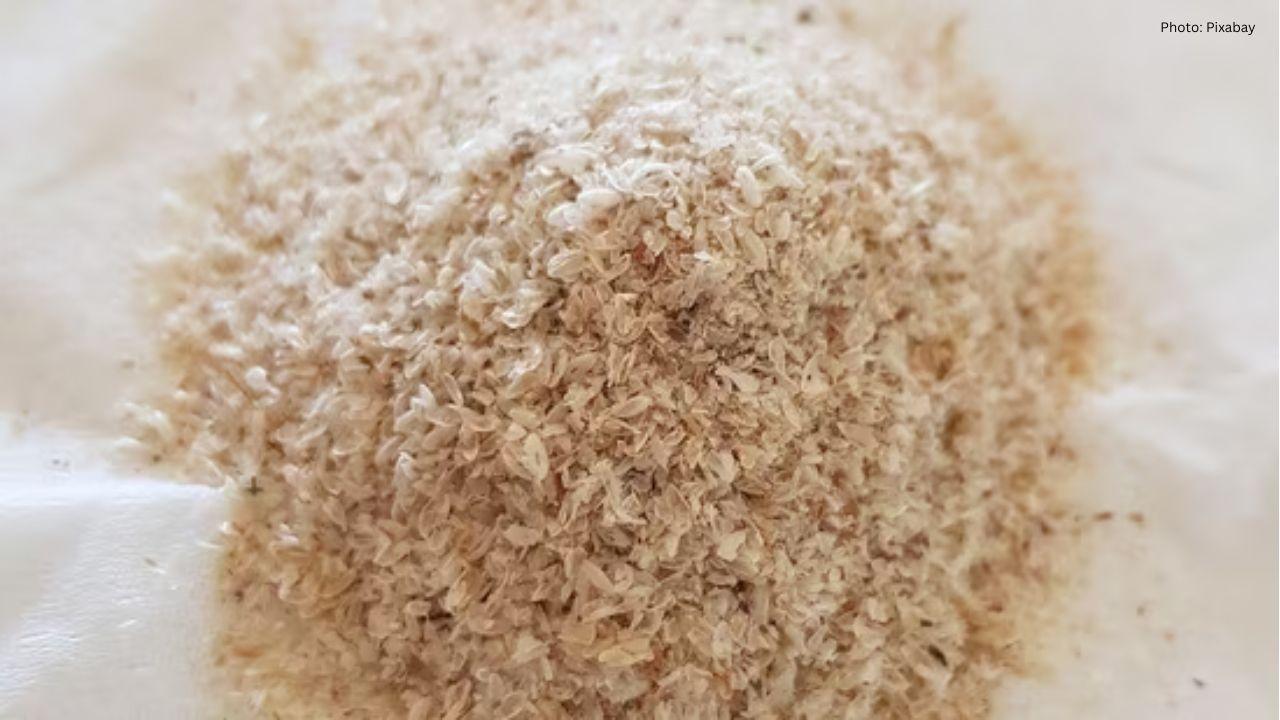
Psyllium husk, known as isabgol, has long been revered in households as a natural remedy. Extracted from the seeds of the Plantago ovata plant, it serves as a source of soluble fiber. People commonly utilize it to enhance digestive health, alleviate constipation, and maintain regular bowel habits. Recent scientific findings validate these traditional uses, showcasing additional advantages for heart health and blood sugar regulation.
As a bulk-forming laxative, psyllium absorbs water in the stomach and intestines, increasing stool bulk and softness, which eases bowel movements. This characteristic makes it effective against constipation and may help prevent issues like hemorrhoids and anal fissures. Many healthcare professionals advocate for its use as a gentle solution for those who seek relief from irregular bowel habits without the use of harsh pharmaceuticals.
Research indicates that psyllium can also benefit heart health by lowering cholesterol levels. A 2017 review revealed that consuming six to fifteen grams of psyllium fiber daily could decrease LDL or “bad” cholesterol by as much as 24% and total cholesterol by up to 20%. This is significant, given that high cholesterol raises the risk for various serious health conditions. The American Heart Association points out that elevated cholesterol can increase the likelihood of heart disease, diabetes, hypertension, coronary artery disease, strokes, and heart attacks. Thus, incorporating natural fiber into daily diets can be a straightforward approach to safeguarding heart health.
Additionally, psyllium has been associated with maintaining stable blood sugar levels. Its soluble fiber content slows food digestion, potentially averting sudden blood sugar spikes post-meals. However, while preliminary studies reveal promising results, the U.S. Food and Drug Administration has recognized the need for further comprehensive research before psyllium is officially endorsed for diabetes management. Nonetheless, many individuals report improved digestion and prolonged satiety from adding fiber to their meals.
Psyllium husk is readily available in various forms over-the-counter. A teaspoon mixed with warm water or milk is a typical traditional method of consumption. Experts recommend maintaining adequate hydration while using psyllium, as the fiber absorbs liquid and is most effective when the body is well-hydrated. Consultations with healthcare providers are advisable for individuals with pre-existing conditions before introducing any new supplements, even those derived from natural sources.
In summary, psyllium husk stands as a simple, cost-effective, and widely trusted supplement, offering numerous potential health benefits. From enhanced digestive health to improved cholesterol and blood sugar management, its significance in daily health regimens remains undisputed.


 English