Post by : Saif
Al-Najjar
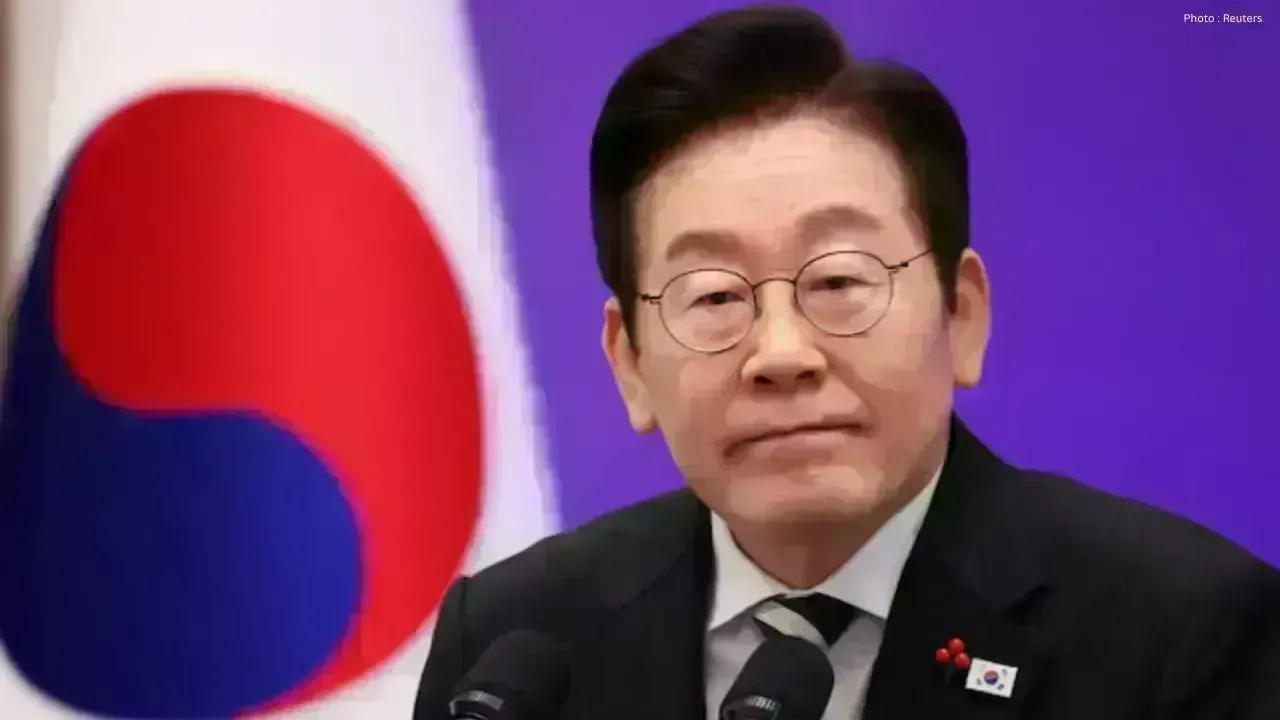
In a significant step towards bolstering their economic partnership, Indian Prime Minister Narendra Modi is meeting South Korean President Lee Jae Myung. This summit emphasizes enhancing trade and investment while fortifying supply chains between both nations.
This high-level dialogue marks a vital moment in their two countries’ relations, following years of engagement. The focus will be on collaboration in crucial sectors such as manufacturing, technology, defence, and shipbuilding, all of which play a pivotal role in fostering long-term economic growth and job creation.
Currently, trade between India and South Korea stands at approximately $25 billion, with aspirations to uplift this figure to $50 billion by 2030. Such ambitions reflect the dedication of both nations in strengthening economic collaboration and expanding business prospects.
Centrally, the summit aims to revitalize the existing trade agreement, aspiring to facilitate smoother exchanges, alleviate trade obstacles, and balance the exchange dynamics. India is determined to amend the current trade deficit, as South Korea exports more than it imports from India.
Discussions will also prioritize supply chain synergy. Given the global uncertainties and regional conflicts, countries are keen on securing reliable sources for essential materials and goods. There is keen interest from South Korea in collaborating with India to mitigate risks and maintain a consistent supply of vital products.
As India emerges as a pivotal manufacturing hub aided by its vast workforce and evolving infrastructure, opportunities for foreign investments flourish. South Korean enterprises, particularly in electronics and automotive sectors, are significantly investing in India and are anticipated to broaden their footprint.
Future technologies, including artificial intelligence and advanced manufacturing, are key areas slated for cooperation. Collaborative efforts here will be essential for both countries to maintain their competitive edges in the global arena. Sharing knowledge and resources is critical for fostering innovation and development.
Beyond economic advantages, this alliance holds strategic significance. Enhanced relations between India and South Korea can aid both nations in navigating global challenges and lessen reliance on volatile markets. Establishing reliable partnerships has become vital in today’s evolving landscape.
Business leaders from both nations are also expected to engage in discussions during the summit, paving the way for potential agreements, joint ventures, and heightened investments, thereby bolstering economic growth and business relations.
The Modi-Lee summit serves as a testimony to the pragmatic objectives of both countries, with a clear focus on boosting trade, enhancing agreements, and expanding cooperation—all aimed at creating mutual benefits for industries and citizens alike.
This meeting is poised to unlock fresh opportunities and provide new momentum to India-South Korea relations. With defined goals and mutual interests, both nations strive towards a more resilient and robust economic partnership.


 English