Post by : Saif
Al-Najjar
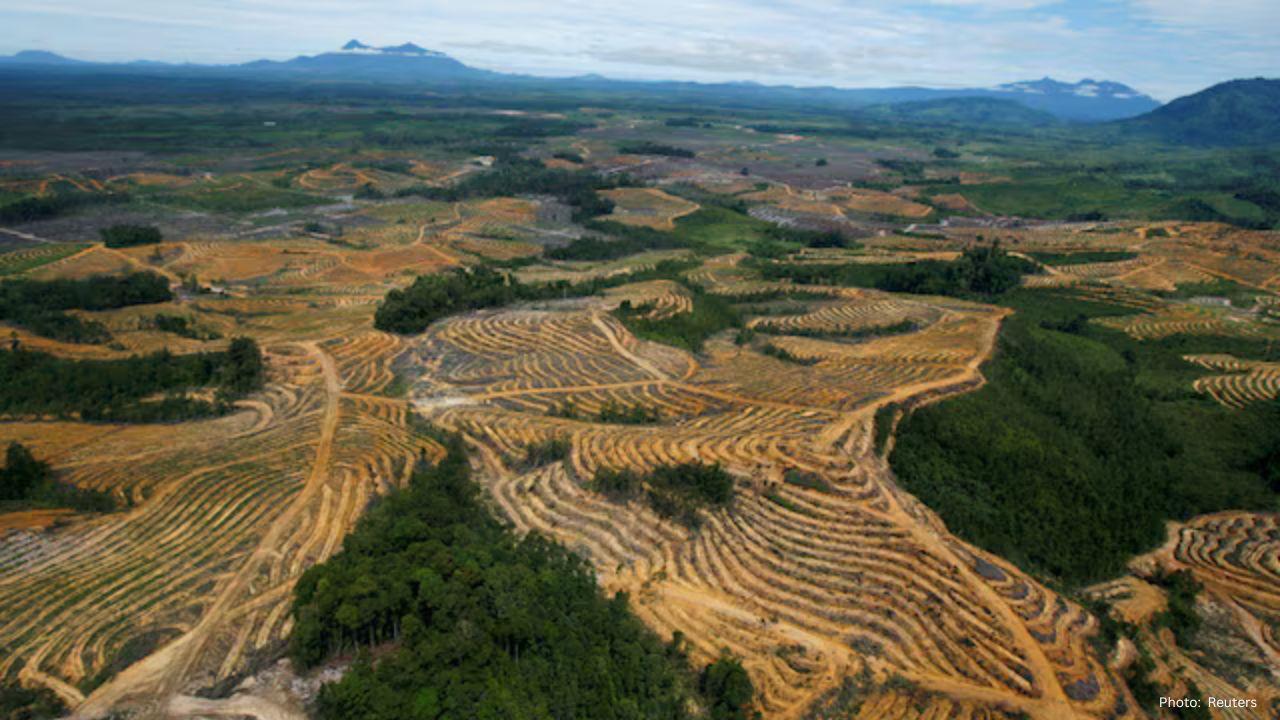
The Indonesian government has unveiled a significant initiative to impose fines totaling $8.5 billion on palm oil and mining companies found operating unlawfully in designated forest reserves. This move is part of a robust effort to safeguard Indonesia's forests and resources.
Announced by the Attorney General, the fines arise from a series of identified large-scale illegal actions by firms that have cleared forest areas without the necessary authorization. Expected to be levied in 2026, these penalties follow directives from President Prabowo Subianto to clamp down on illegal land utilization.
A dedicated task force, encompassing military, police, and prosecutors, is leading this crackdown. Over the past year, this team has reclaimed more than 4.1 million hectares of land misused for palm oil and mining, an area comparable to the size of the Netherlands, emphasizing the gravity of the situation.
To date, penalties exceeding 2.3 trillion rupiah have been collected from 20 palm oil companies and a mining entity, with proceeds allocated to the finance ministry. Projections indicate a further collection next year, anticipating fines exceeding $6.5 billion for palm oil firms and nearly $2 billion for the mining sector.
The government has also transitioned hundreds of thousands of hectares of confiscated land to a new state enterprise, Agrinas Palma Nusantara, which has become the largest palm oil firm globally by land area. This initiative is designed to regain control of illegal land and ensure compliance with national legislations.
President Prabowo commended the task force for its proactive measures, emphasizing the need to defend the nation's natural resources from exploitation. He indicated that the government is prepared to implement even stricter measures to protect forests and resources from future threats.
However, this vigorous campaign is raising alarms within the palm oil sector. Analysts warn that extensive land seizures and stringent enforcement could lead to production disruptions, potentially driving up global palm oil prices as Indonesia aims to boost palm oil utilization in biodiesel production.
As the leading global producer of palm oil utilized in food, fuel, and cosmetics, Indonesia has faced longstanding criticism over deforestation associated with agricultural and mining practices. This latest action signifies a firmer government stance toward balancing economic ambitions with environmental stewardship.
If fully realized, these fines could transform the management of natural resources in Indonesia and signal an uncompromising approach to illegal forest land utilization, irrespective of industry power.


 English