Post by : Bianca
Haleem
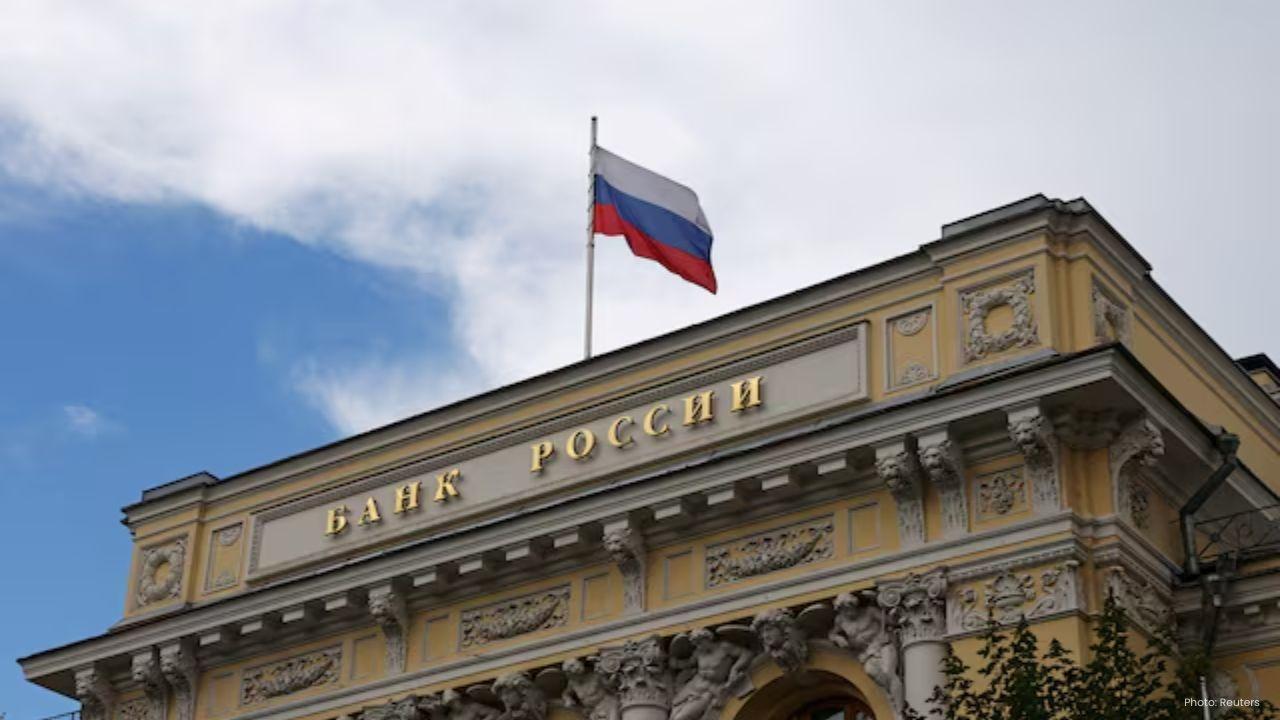
In a surprising move on Friday, Russia's central bank lowered its key interest rate by 50 basis points to 16.5% during its first meeting since the announcement of a planned VAT hike in 2026. This decision comes as the nation faces mounting international sanctions and a noticeable slowdown in economic growth.
While this rate adjustment aligns with economists' predictions, the bank also raised its inflation forecast for 2026 to 4–5%, up from the prior estimate of 4%. The adjustment reflects concerns about the forthcoming tax increase. Additionally, it revised its average interest rate estimate for 2026 upward to a range of 13–15%.
Central Bank Governor Elvira Nabiullina emphasized a cautious stance regarding monetary policy, citing easing labor market conditions and slower demand growth as the rationale behind the rate cut. Although there are indications of economic cooling, inflationary pressures continue to be driven by temporary elements, including rising prices of fuel and seasonal food items.
Rouble Gains Amid Economic Uncertainty
Post-announcement, the Russian rouble appreciated by 0.7% against the US dollar. There have been calls from businesses for quicker rate cuts, suggesting that rates between 12-14% could enhance investment and spur economic recovery. However, the central bank's minor reduction reflects its concerns regarding ongoing inflation, which has escalated by nearly 5% since the beginning of 2025.
Factors Influencing Inflation and External Forces
This year, fuel prices, notably gasoline, have surged over 11% due to refinery attacks in Russia, heightening inflation worries. Households expect inflation to hit 12.6% over the next year. The central bank identified these as “temporary” factors impacting short-term price increases.
External pressures, particularly from recent U.S. sanctions on major oil companies like Lukoil and Rosneft, further complicate the economic landscape. Forecasts indicate a significant deceleration in economic growth to approximately 1% in 2025, down from 4.3% the previous year, primarily due to elevated interest rates hindering investment and rising government taxes aimed at budget management.
Despite these obstacles, the central bank indicates it will proceed with a gradual approach, suggesting that monetary easing will persist but with caution, striving to support growth while keeping inflation in check.


 English